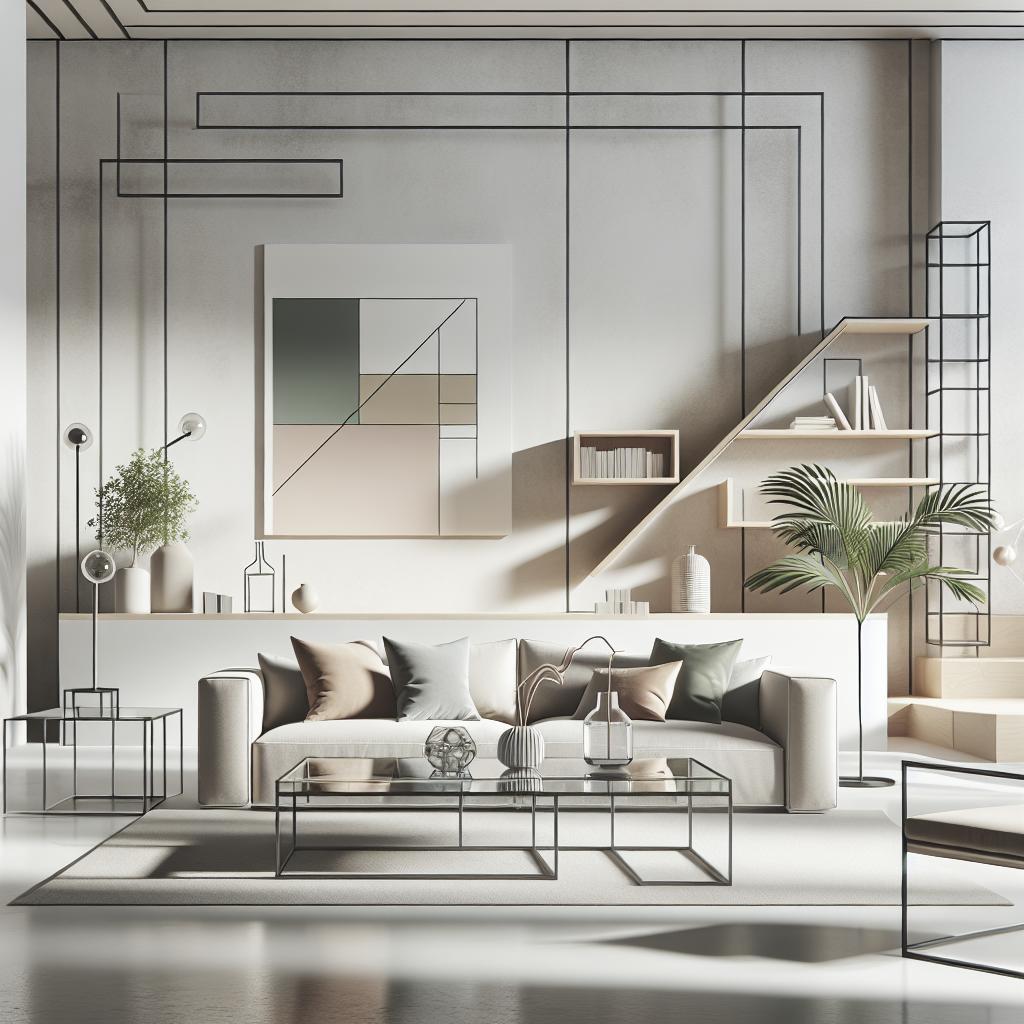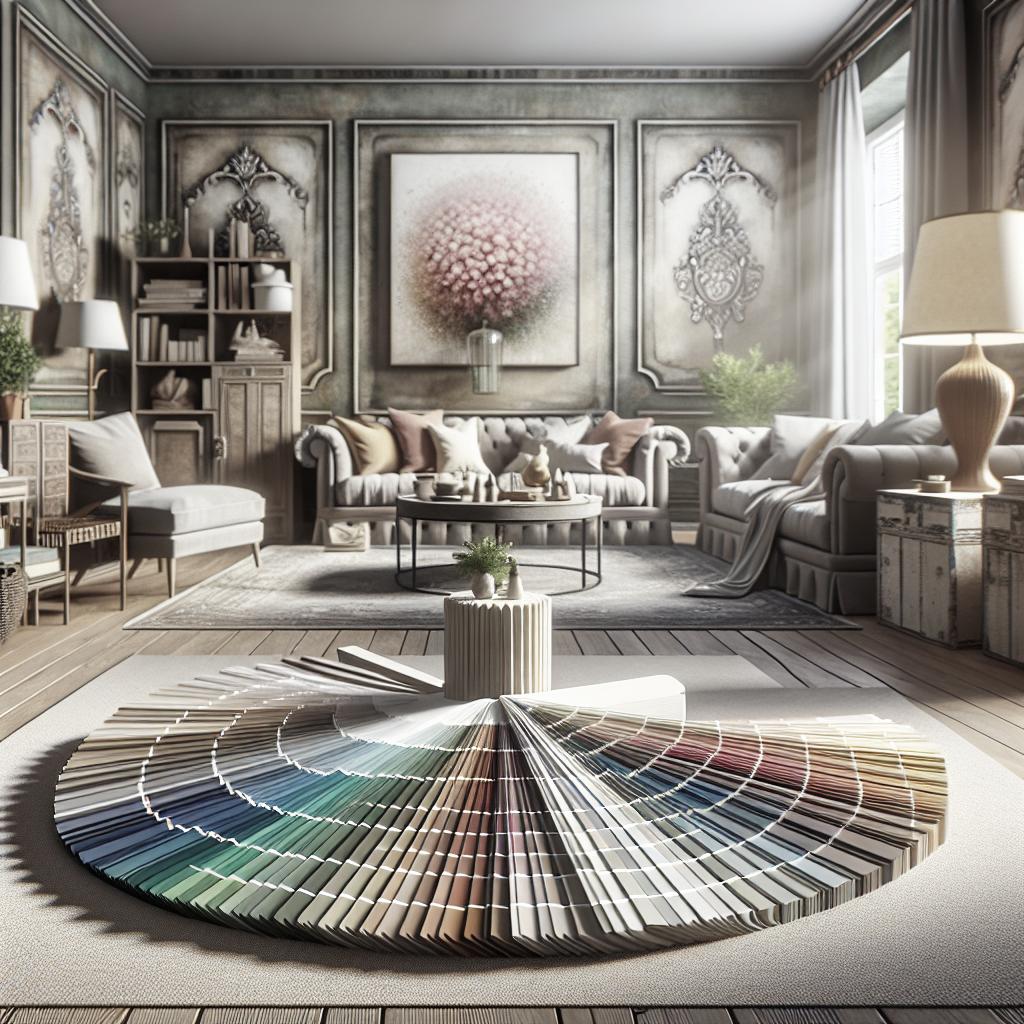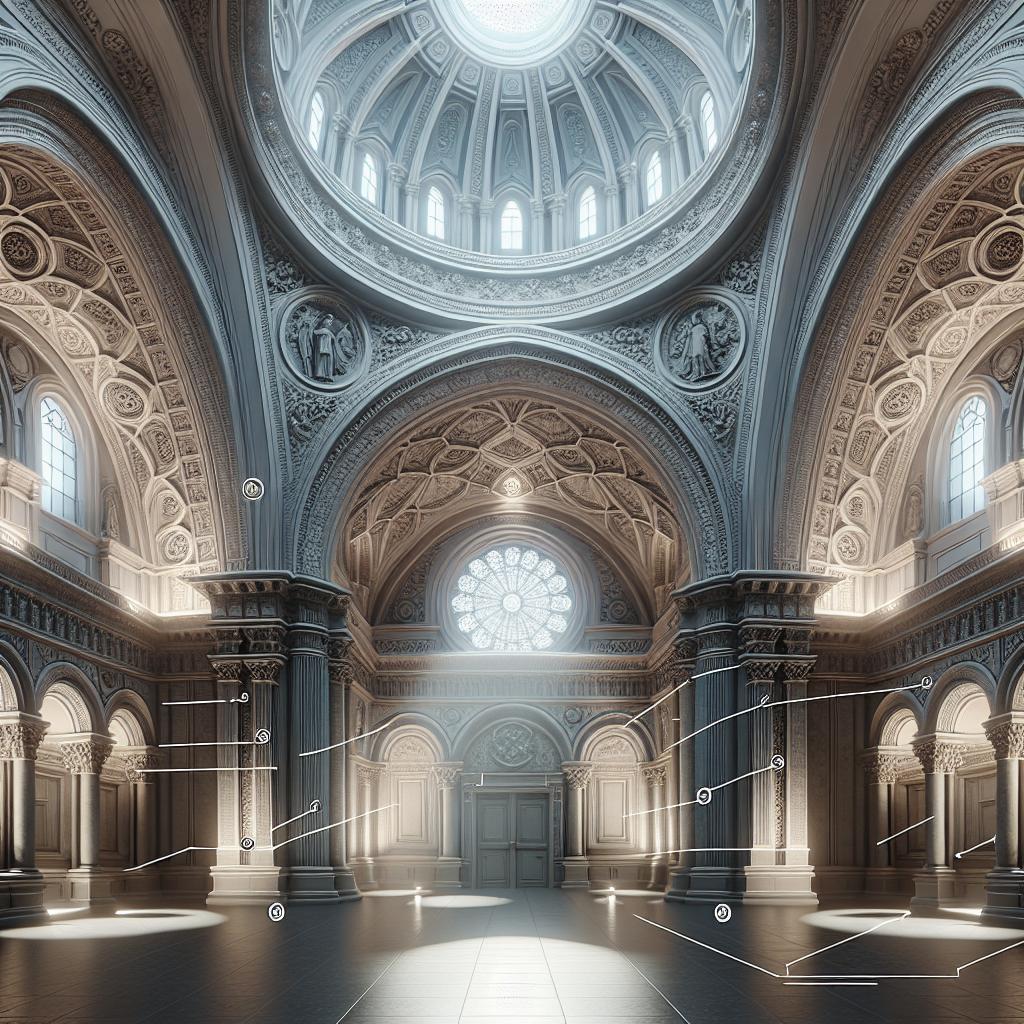
### Introduction Highlighting architectural features in a home or building enhances the aesthetic appeal and showcases the unique characteristics that make a space special. Whether it’s a grand entrance with ornate columns, a ceiling with intricate moldings, or a staircase that serves as a focal point, architectural features can transform any environment. This article delves into various methods for accentuating these elements, with detailed insights for each key area: arches and columns, artwork and accessories, ceilings, lighting, moldings and trim, staircases, texture, and windows and doors. By strategically emphasizing these aspects, homeowners and designers can create spaces that are not only functional but also visually captivating. From selecting the right lighting to adding the perfect touch of artwork, each section provides practical tips and creative ideas to maximize the impact of architectural features in any setting. ### Arches and Columns Arches and columns are timeless architectural features that can add a sense of grandeur and elegance to any space. To highlight these structures effectively, consider incorporating contrasting colors or materials that draw the eye. For instance, painting the columns a different shade than the surrounding walls or using a unique finish on an arch can make these features stand out. Additionally, using vines or climbing plants around columns can create a harmonious blend with nature, bringing an organic element into the design. Consider lighting as an essential tool in showcasing arches and columns. Installing spotlights or uplighting can enhance the detailed craftsmanship of these structures, creating dramatic shadows and highlighting their curves and lines. This approach not only illuminates these features during the night but also adds depth and character to the space. Furthermore, mirrors placed strategically can reflect and amplify their presence, making the room appear larger and more open. Integrating functional elements with arches and columns can make them more practical. For instance, columns can be used to support countertops or shelving, merging beauty with utility. Such adaptations give these traditional features a modern twist without sacrificing their inherent charm. Moreover, arches can be incorporated into doorways or window openings, adding a touch of sophistication and historical appeal to the design. ### Artwork and Accessories Incorporating artwork and accessories around architectural features can not only highlight them but also add a personal touch to a space. Consider placing large paintings or sculptures near focal points like fireplaces or staircases to draw attention to both the art and the architectural feature. Select pieces that complement the style and color palette of the room to create a cohesive look. Wall-mounted plates or tapestries can frame features like arches, adding an artistic layer of interest. Accessories such as decorative vases, candles, or books can be placed strategically to enhance architectural details. For instance, on a mantelpiece or a built-in shelf, arranging objects of varying heights and textures can draw attention to the intricacy of moldings or the workmanship of a built-in feature. Choosing accessories with reflective surfaces like metallics or glass can add visual interest through the play of light. Rugs and textiles can also accentuate architectural elements by defining a space or drawing attention to a specific area. A large, patterned rug can ground a room and bring attention to a seating area flanked by grand windows, while throws and cushions can add color and comfort, making the architectural setting feel welcoming and inviting. Through thoughtful selection and placement, accessories can tell a story that complements the architectural narrative of a room. ### Ceilings Ceilings often remain an overlooked component in interior design, yet they offer immense potential for showcasing architectural artistry. Coffered ceilings, for example, can be highlighted by painting the recessed sections a different color or using wallpaper with a subtle pattern. This technique emphasizes the three-dimensional quality and craftsmanship involved, making the ceiling a standout feature in any room. Another way to draw attention to ceilings is through the creative use of lighting. Chandeliers or pendant lights can serve as focal points, casting intriguing shadows across textured ceilings. Recessed lighting around architectural ceiling details can add a soft glow that enhances their beauty. For a modern touch, LED strip lights can outline features, showcasing their shape and adding a contemporary feel. Ceilings can also be adorned with murals or stenciled designs, transforming them into a work of art. This approach can tie together different elements of the decor, creating a unified theme. Whether opting for intricate moldings or minimalist designs, investing in the ceiling can significantly impact the ambiance of a space, inviting viewers to look up and appreciate its unique features. ### Lighting Lighting is a fundamental element in highlighting architectural features, offering both functionality and style. To maximize its impact, consider layering different types of lighting to create a balanced and dynamic environment. Ambient lighting sets the overall tone of a space, while accent lighting can highlight specific architectural details like alcoves, niches, or artwork. Task lighting ensures functionality around workspaces or reading areas without overwhelming the design. Incorporating dimmer switches allows flexibility in controlling light intensity and mood, enabling the emphasis on architectural elements to shift as required. This adaptability can enhance features like moldings or textured walls at different times of day, providing versatility in ambiance. Additionally, using fixtures that coordinate with the architectural style, such as vintage sconces in a historical home, can complement and enhance the existing aesthetic. Consider also the color temperature of the lighting; warm tones can create an inviting atmosphere, while cooler tones may highlight modern design features. Experimenting with different lighting styles and their positioning can make architectural elements shine and transform how a space is perceived. The strategic use of lighting can elevate the inherent beauty of architectural features, providing depth and dimension. ### Moldings and Trim Moldings and trim offer a sense of completeness to a room, adding character and sophistication through their intricate designs. To accentuate these features, consider painting them in contrasting or complementary colors to the walls. This strategy brings attention to their intricate designs, making them pop. In minimalist spaces, opting for trim with bold colors or unique finishes can add a modern twist to classic designs. Beyond color, texture can play a significant role in highlighting moldings and trim. Using a glossy finish on moldings against matte walls creates an appealing textural contrast. For a more dramatic approach, metallic finishes or gilding can add a touch of luxury, drawing the eye to ceiling cornices, chair rails, or wainscoting. Highlighting these features adds layers to the space, creating visual interest that goes beyond flat surfaces. When planning a renovation or new build, consider custom moldings designed to reflect the architectural style of the property. Whether Victorian, Art Deco, or contemporary, tailored moldings can blend seamlessly with the overall design language. Their detailed execution and thoughtful application enhance architectural integrity and elevate the space, making moldings and trim more than mere decorative elements. ### Staircases Staircases often stand as central features in homes, offering the perfect opportunity for architectural expression. One way to highlight a staircase is by choosing a striking design, such as a spiral or suspended style, which naturally draws attention. These dramatic designs can be paired with contrasting materials like metal handrails with wooden steps, offering both visual and textural appeal. Glass panels for balustrades can create a modern, see-through effect that highlights the staircases’ construction without obstructing natural light. Incorporating under-stair lighting or LED strips along the steps can add functionality while also accentuating the staircase’s form. These lighting techniques not only ensure safety but also enhance architectural details after dusk. Don’t overlook the power of color and texture in staircase emphasis. Painted risers or wallpaper applied to stairs can introduce a burst of color and pattern. Alternatively, a runner can add warmth and tactile comfort while leading the eye upward. Expressive in its vision and functionality, a well-designed staircase can become a signature element, setting the tone for the entire home. ### Texture Textures play a pivotal role in highlighting architectural features, adding depth and tactile interest to a space. Incorporating materials like stone, brick, or wood into feature walls creates visual impact, accentuating the architectural narrative. These textured backdrops can contrast or complement smoother surfaces, drawing the eye to both the material and design of the room. Plasterwork or textured paints offer an alternative method of introducing texture. Venetian plaster, for instance, can add an old-world charm, while modern geometric patterns add a contemporary twist. These finishes enhance the dimension and intricacy of walls or ceilings, making architectural features more dynamic and interesting. For a subtle effect, consider textured furnishings or textiles that complement the architectural design. Woven fabrics, rough-hewn furniture, or sculptural pieces can interact with and enhance the textured features of a space. By thoughtfully integrating texture, a room becomes a more engaging and immersive environment, connecting architectural and decorative elements seamlessly. ### Windows and Doors Windows and doors are crucial architectural features that can be emphasized to enhance both interior and exterior aesthetics. Choosing frame colors or materials that contrast with the walls can draw attention to their shape and design. For instance, black frames against a light wall can add a modern edge, while wood frames bring warmth and traditional charm. Window treatments also offer a way to emphasize these features. Floor-to-ceiling curtains can accentuate height and draw the eye upward, while Roman shades may highlight the window’s form without overpowering it. Similarly, detailed or custom doors can be emphasized through contrasting finishes or hardware, making them focal points in a room. Consider also the play of light through windows and glass doors, casting patterns and creating movement across a room. This natural feature can be enhanced with strategically placed mirrors to reflect and amplify sunlight, brightening the space and emphasizing architectural lines. Through creative approaches, windows and doors become more than functional components, transforming into highlighted architectural features. ### Summary of Main Points “`html
| Section | Main Points |
|---|---|
| Arches and Columns | Use contrasting colors, strategic lighting, and integrate functionality. |
| Artwork and Accessories | Place complementary art, use decorative objects, incorporate textiles for emphasis. |
| Ceilings | Use color, lighting, and design to highlight architectural details. |
| Lighting | Layer lighting, use dimmers, and consider fixture styles and temperatures. |
| Moldings and Trim | Utilize contrasting colors, textures, and custom designs. |
| Staircases | Choose striking designs and materials, leverage lighting, highlight with color and texture. |
| Texture | Incorporate materials like stone or wood, use plasterwork or textures paints, add textured furnishings. |
| Windows and Doors | Emphasize with contrasting frames, consider window treatments, leverage natural light. |
“` By understanding and applying these strategies, anyone can accentuate architectural features, bringing a space to life with character, warmth, and style. From ancient structures to modern innovations, architectural elements have the power to transform environments into unique and personalized havens.