### Exploring the Styles of Contemporary Interior Design In today’s ever-evolving world of design, contemporary interior design stands at the intersection of minimalism, functionality, and innovation. This style reflects the spirit of the moment, harmonizing with the latest architectural and lifestyle trends. From its historical inception to defining elements, contemporary interior design represents simplicity, open spaces, and the seamless blending of form and function. In this blog post, we journey through the history of contemporary interiors, break down its defining elements, showcase examples of contemporary spaces, and provide practical tips on achieving this style in your home. Whether you’re a design novice or a seasoned enthusiast, understanding the nuances of contemporary interior design can help you create a living space that trulys reflect modern sophistication and comfort. —
History of Contemporary Interior Design
Contemporary interior design first emerged in the late 20th century, evolving from the modernist movement that flourished between the 1920s and 1950s. Modernist design emphasized the idea that form follows function, embracing clean lines and minimal ornamentation. By the 1970s, however, a new design ethos began to emerge – a style that was less rigid and more reflective of the present moment. This new approach was termed “contemporary,” as it borrowed elements from modernism, yet allowed for more fluidity and adaptability. While modern and contemporary design are often conflated, it’s important to understand that contemporaneity emphasizes current trends and materials, rather than a specific historical period or set of ideals. As a result, contemporary design is continuously evolving, blending features from various eras and design philosophies to create a forward-looking aesthetic that remains adaptable and versatile. The key to the rise of contemporary interior design lies in its ability to serve as a visual narrative of its time. Throughout the late 20th and early 21st centuries, the style has adapted to cultural, technological, and environmental changes, translating these shifts into elements that define the contemporary ethos. For a design to be truly contemporary, it must align with the spirit of the age, incorporating innovations in technology, sustainability principles, and the increasingly global influences on aesthetics.
Defining Elements and Characteristics of Contemporary Interior Design
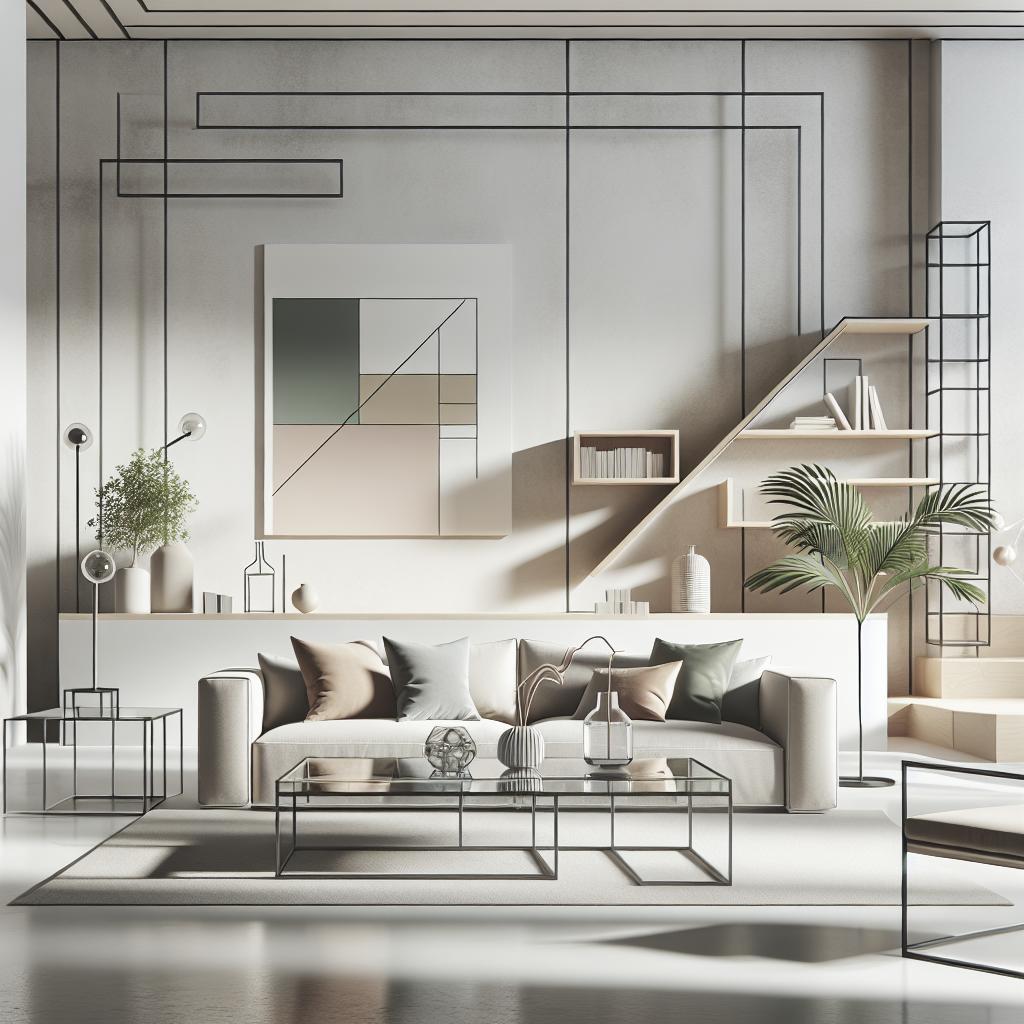
At its core, contemporary interior design is characterized by simplicity, functionality, and sleekness. Clean lines, neutral colors, and uncluttered spaces are hallmarks of this style, helping create an atmosphere of calm and understated elegance. The use of natural materials such as wood, stone, and metal, often contrasted with smoother textures like glass and polished finishes, adds depth and interest without overwhelming the senses. One defining characteristic of contemporary interiors is the emphasis on open and airy spaces. This is achieved through the use of large windows, open-floor layouts, and strategic furniture placement that promotes flow and connectivity. The idea is to allow light to move freely throughout the space and provide flexible living areas that can be easily adapted to different needs or functions. Contemporary interiors also embrace current technology and home automation systems, leveraging the latest in smart home innovations. This integration enhances both functionality and comfort, aligning perfectly with the contemporary philosophy of form meeting function. Furthermore, contemporary design often incorporates sustainable practices, utilizing eco-friendly materials and energy-efficient technologies to reduce environmental impact.
Examples of Contemporary Interior Design
Contemporary interior design can be seen in various types of spaces, ranging from urban apartments to sprawling homes. For instance, a hallmark of contemporary city living is the loft apartment, where open floor plans complement the urban landscape. These spaces typically feature exposed architectural elements like beams and piping, merging the industrial with the contemporary for a chic yet utilitarian look. In residential settings, contemporary homes often boast seamless indoor-outdoor living, with expansive glass doors that open to patios or gardens. Interiors flow effortlessly to the exteriors, enhancing the living experience and making nature an integral component of the design. Common features include minimalist furniture, a neutral color palette accented with bold artwork or upholstery, and ingenious storage solutions that maintain the clean, uncluttered ethos. Commercial spaces, such as offices and retail environments, also showcase contemporary design principles. Open workspaces with versatile seating arrangements, breakout areas with furniture that encourages collaboration, and strategically placed lighting that enhances productivity all align with contemporary design. In these settings, the goal is to foster a dynamic yet efficient work environment that enhances both employee satisfaction and overall brand image.
How to Achieve Contemporary Interior Design in Your Home
Creating a contemporary design in your home starts with decluttering, allowing you to focus on minimalist and functional elements. Start by choosing furniture pieces that highlight clean and uncomplicated lines, such as sofas with simple geometric forms and tables made from natural materials. When selecting a color palette, opt for neutral tones like whites, grays, and beiges, which can be accented with pops of color through accessories or artwork. Lighting plays a crucial role in contemporary interiors, so consider implementing a mix of natural, ambient, task, and accent lighting. Large windows, sheer curtains, and strategically placed mirrors can amplify natural light, while modern fixtures such as recessed lighting, pendant lamps, or LED strips can add warmth and style. Remember to keep decorations minimal, focusing on a few statement pieces rather than cluttering spaces with numerous small items. To infuse sustainability into your contemporary design, choose eco-friendly materials and energy-efficient tools. Consider furniture made from reclaimed wood, carpets from recycled materials, and energy-efficient appliances that lower your carbon footprint. By incorporating smart home technologies, you can automate lighting, manage climate control efficiently, and improve the overall convenience of your modern living space. — ### Next Steps Here’s a quick summary table on the key aspects of contemporary interior design. “`html
| Aspect | Description |
|---|---|
| Origin | Evolved from Modernist movement in late 20th century, continuously adapting to current trends. |
| Core Characteristics | Simplicity, functionality, clean lines, open spaces, natural materials, neutral tones. |
| Key Environments | Urban lofts, indoor-outdoor homes, modern office spaces, and retail environments. |
| Design Tips | Declutter, use neutral color palettes, embrace natural light, incorporate smart and sustainable technologies. |
“` Embarking on a journey to infuse contemporary design into your home can transform your living space into a modern sanctuary that is both stylish and comfortable, perfectly tailored to reflect the spirit of the age.