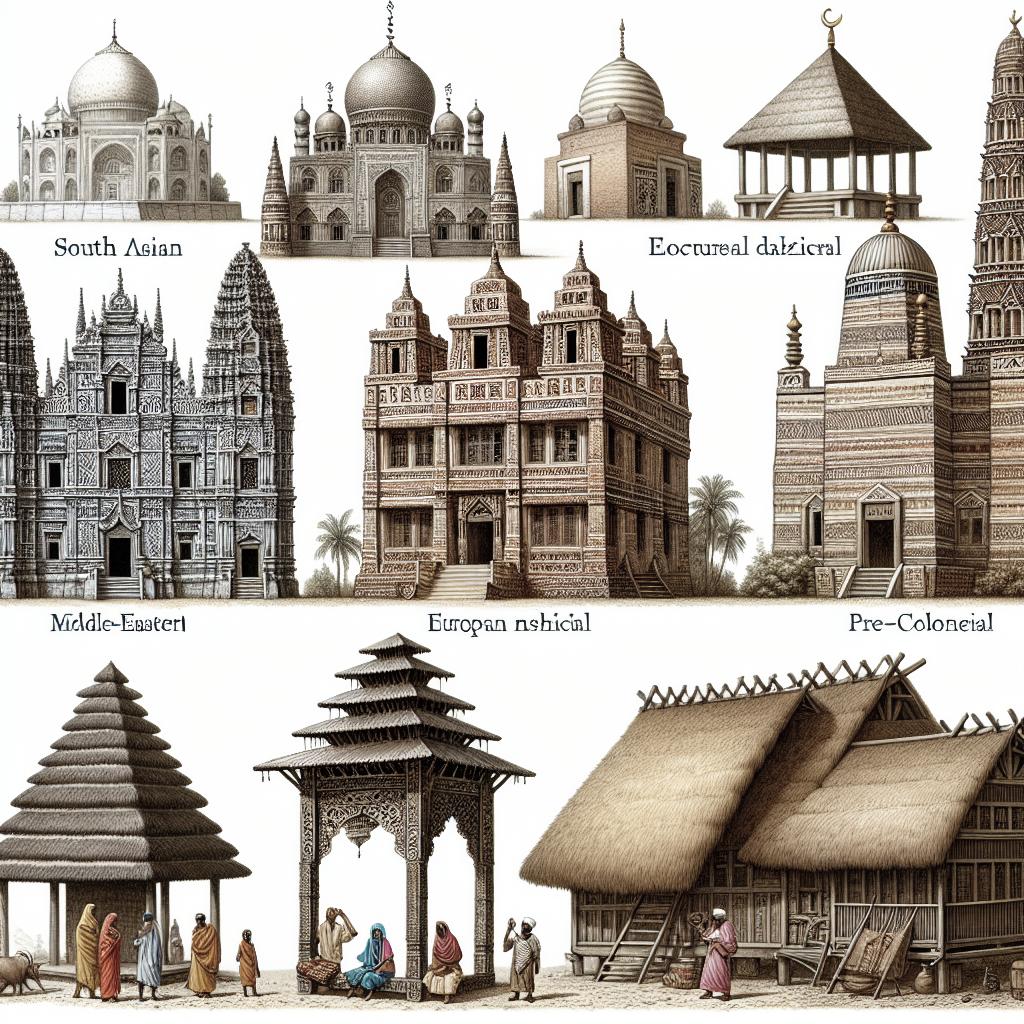
## Introduction Cultural heritage significantly influences architecture, serving as a bridge between the past and the present. It combines traditions, identity, and customs, reflecting them within architectural designs and styles across the world. This exploration will delve into various aspects of how cultural heritage shapes architecture, beginning with a definition and discussing its historical significance. We will examine how cultural heritage impacts design and styles, touch upon efforts made towards preservation, and how modern architecture draws inspiration from these age-old traditions. Alongside the positive influences, challenges in integrating cultural heritage within contemporary structures will be highlighted. Finally, we’ll reflect on its continued relevance in today’s society, offering insights into ongoing interactions between cultural heritage and architecture. Readers will leave with a broader understanding of the complex dynamics between culture and architectural form, inspiring an appreciation for heritage’s enduring legacy. ## Table of Contents 1. [Defining Cultural Heritage in Architecture](#1-defining-cultural-heritage-in-architecture) 2. [Historical Significance of Cultural Heritage](#2-historical-significance-of-cultural-heritage) 3. [Influence on Architectural Design and Styles](#3-influence-on-architectural-design-and-styles) 4. [Preservation and Conservation Efforts](#4-preservation-and-conservation-efforts) 5. [Cultural Heritage as Inspiration for Modern Architecture](#5-cultural-heritage-as-inspiration-for-modern-architecture) 6. [Challenges in Integrating Cultural Heritage](#6-challenges-in-integrating-cultural-heritage) 7. [Next Steps: The Continued Relevance of Cultural Heritage](#7-next-steps-the-continued-relevance-of-cultural-heritage) ## 1. Defining Cultural Heritage in Architecture Cultural heritage encompasses the expressions, artifacts, and attributes that societies inherit from past generations. In architecture, it manifests through old buildings, monuments, and urban layouts that reflect the uniqueness of various cultures. This blend of tangible and intangible elements informs and shapes the built environment, fostering a sense of continuity and identity for communities around the globe. Understanding cultural heritage in architecture involves recognizing the importance of local traditions, crafts, and materials. It is not merely about preserving monuments from the past but also about maintaining the intangible values that these structures embody. Whether it’s a modern skyscraper or a historical cathedral, the essence of cultural heritage becomes a critical dialogue between the building, its context, and its users. ## 2. Historical Significance of Cultural Heritage The historical significance of cultural heritage in architecture cannot be overstated. For centuries, architecture has served as a testament to human civilization, mirroring societal values, religious beliefs, and technological advancements. From the grandeur of the Egyptian pyramids to the intricate details of Gothic cathedrals, these structures provide invaluable insights into historical eras and cultural evolutions. Such architectural masterpieces offer more than aesthetic pleasure; they serve as historical documentation. They stand as symbols of power, faith, innovation, and artistic expression, fostering a sense of pride and continuity. Understanding these historical contexts enriches our comprehension and appreciation of cultural heritage sites and their enduring legacies. Moreover, the historical significance of cultural heritage influences contemporary society, impacting tourism, education, and national identity. Heritage architecture is a vital component of a city’s narrative, allowing residents and visitors alike to immerse themselves in its rich history, thereby fostering a collective cultural consciousness. ## 3. Influence on Architectural Design and Styles Cultural heritage plays a pivotal role in shaping architectural design and styles. Different architectural styles have emerged throughout history, deeply rooted in the cultural, geographical, and historical context of their times. Whether it’s the minimalist principles of Japanese architecture or the ornate Mughal structures in India, culture significantly impacts the aesthetics and functionality of buildings. Traditional designs have been passed down through generations, infusing modern architecture with unique characteristics. These styles often reflect the materials, climate, and social customs indigenous to the region, creating buildings that resonate with the local culture. Archways, motifs, and layouts commonly seen in certain areas can be attributed directly to their cultural heritage. Furthermore, cultural heritage influences not just the architectural aesthetic but also the construction techniques. Time-tested methods, local materials, and sustainable practices from the past are often integrated into modern designs, achieving a harmonious blend of tradition and innovation. ## 4. Preservation and Conservation Efforts Preservation and conservation efforts are paramount to maintaining the cultural heritage embedded in architecture. These efforts ensure that historical structures and traditional practices are safeguarded against the ravages of time and modern development pressures. This involves a delicate balance between retaining original features and integrating contemporary needs. Globally, organizations and governments recognize the importance of protecting cultural heritage sites. Efforts such as the UNESCO World Heritage Sites initiative aim to preserve landmarks and districts for future generations. Through legislation, education, and community engagement, societies work to maintain their cultural landscapes. However, preservation efforts face challenges such as inadequate funding, urbanization pressures, and climate change. Adaptive reuse has become a popular strategy, allowing old structures to serve new purposes while conserving their historical essence. This approach highlights the need for innovative solutions to keep cultural heritage alive and relevant in modern contexts. ## 5. Cultural Heritage as Inspiration for Modern Architecture Modern architecture continuously draws inspiration from cultural heritage, creating spaces that are both contemporary and resonant with traditional values. Architects often incorporate traditional motifs, techniques, and materials into their designs, developing hybrids that respect the past while embracing the future. Contemporary architects increasingly recognize the value of integrating elements of cultural heritage into their projects, creating spaces that are contextually relevant and culturally resonant. By doing so, they contribute to the evolution of architectural paradigms, bridging the gap between past and present. A notable trend is the sustainable architecture movement, heavily influenced by traditional construction techniques and materials. Harnessing the wisdom of past builders, modern architects strive to create eco-friendly structures that echo the principles of sustainability found in cultural heritage. ## 6. Challenges in Integrating Cultural Heritage While incorporating cultural heritage into architecture offers numerous benefits, it also presents significant challenges. One of the primary difficulties lies in striking a balance between preservation and modernization. Architects must navigate the fine line between maintaining cultural integrity and accommodating contemporary needs. Additionally, cultural heritage sites often face threats from rapid urbanization, neglect, and environmental factors. The pressure to modernize infrastructure and accommodate burgeoning populations can overshadow preservation efforts. Balancing these demands with the need to protect cultural landmarks is an ongoing challenge. Another challenge is the potential for cultural appropriation or misrepresentation. In a globalized world, architectural styles can easily be taken out of context, losing their original cultural significance. Architects have a responsibility to respect and understand the heritage they choose to incorporate into their designs, ensuring that it is celebrated rather than exploited. ## 7. Next Steps: The Continued Relevance of Cultural Heritage The influence of cultural heritage on architecture continues to be profoundly significant, impacting modern design and fostering a deeper understanding of history and identity. As we progress into the future, the need to preserve and integrate cultural heritage in architecture remains crucial. Emerging trends in architecture show promise in acknowledging cultural roots while pushing the boundaries of innovation, ensuring that heritage retains its relevance in contemporary contexts. Communities and architects are encouraged to engage in practices that honor and preserve cultural heritage, fostering collaborations that bridge historical significance with modern utility. By doing so, they contribute to a more informed and culturally enriched built environment, ensuring that cultural heritage remains a living, dynamic part of architectural practice. In the evolving narrative of architecture, embracing and preserving cultural heritage should be seen not only as a responsibility but also as an opportunity to enrich the communal and aesthetic experience of urban environments. As we move forward, nurturing this synergy will be pivotal in creating spaces that honor the past while catering to the present and future needs. “`html
| Aspect | Description |
|---|---|
| Defining Cultural Heritage | Covers the understanding and importance of cultural aspects in architecture. |
| Historical Significance | Highlights the role of architecture in documenting history and culture. |
| Influence on Design and Styles | Explores how culture impacts architectural aesthetics and construction techniques. |
| Preservation Efforts | Discusses strategies and challenges in maintaining cultural architecture. |
| Inspiration for Modern Architecture | Reviews how modern architecture integrates traditional elements. |
| Challenges in Integration | Outlines the difficulties faced in balancing heritage with modern needs. |
“`