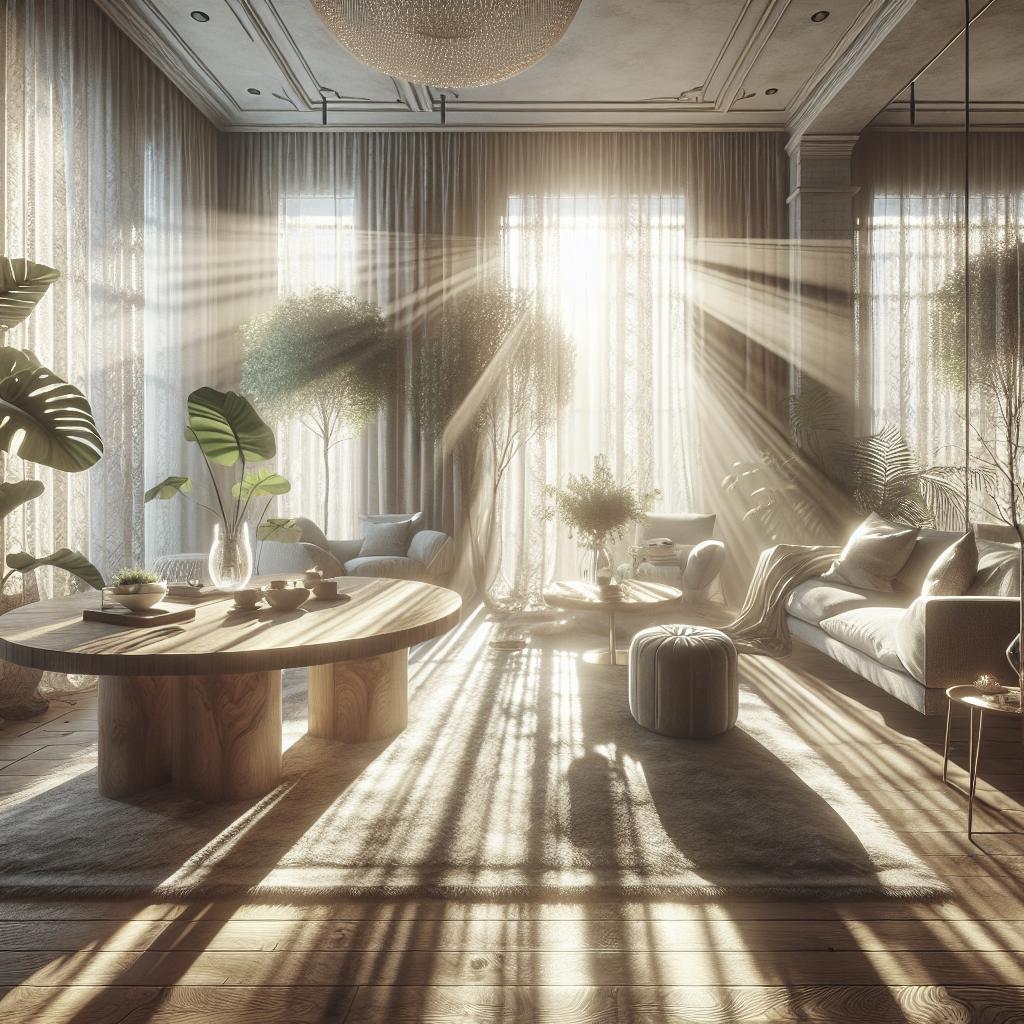
### Harnessing the Power of Natural Light in Interior Decor In today’s fast-paced urban environments, where many people spend extended periods indoors, the importance of natural light in interior decor cannot be overstated. Not only does natural lighting elevate the aesthetics of living spaces, but it also brings numerous health benefits that artificial lighting often fails to deliver. This blog post delves into the significance of using natural light in home decor, explores creative methods to incorporate it, and highlights the beauty of organic designs and materials that complement our natural world. We will discuss practical strategies to enhance your living space, like increasing window areas, using mirrors for reflection, and embracing dynamic light elements. From ensuring adequate sunlight in dim spaces to choosing eco-friendly lighting designs, let’s uncover how natural light can transform your home into a serene sanctuary. ### Urbanisation & Spending More Time Indoors As urbanisation progresses, the modern lifestyle demands long hours spent indoors—whether at work, home, or other settings. The concrete jungles that define our city landscapes often restrict the flow of natural light, leaving our indoor spaces in reliance on artificial lighting. According to studies, the average person spends more than 90% of their time indoors. This lifestyle shift places immense importance on the design of our interior spaces, where the need for natural light becomes critical not only for aesthetic purposes but also for our well-being. Urban environments often result in denser living, with numerous buildings competing for space and sunlight. Consequently, many apartments and urban homes struggle to capture adequate natural light. Given the growing amount of time we spend inside, integrating natural light into our homes is crucial. Not only does it make the spaces feel less confined, but it also enhances mood and productivity, marking a significant impact on our daily lives. ### The Harmful Effects of Artificial Lighting It’s easy to underestimate the effects of artificial lighting, yet it carries implications for both our health and our home’s ambiance. Fluorescent and LED lights, while energy-efficient, can create harsh environments that may affect our circadian rhythms, leading to disturbances in sleep and mood. Prolonged exposure to poor-quality artificial light can lead to eye strain, headaches, and a reduction in overall well-being. Artificial lighting often lacks the warmth and vitality that the sun naturally provides. It can create stark, monotonous lighting patterns that make interiors feel cold and uninspiring. In contrast, natural light brings a dynamic range of luminance and warmth that can enhance the textures and colors in interior spaces, making them feel alive and inviting. Recognizing these harmful impacts makes it clear why incorporating natural light is more than a design choice—it’s a lifestyle change. ### Allowing Nature to Inspire Lighting Nature is the ultimate designer. Its harmonious play of light and shadow offers inspiration for our interiors. Observing the way light filters through leaves or reflects off water surfaces, we can emulate these patterns within our living spaces. When natural light is allowed to fill our homes, it creates an atmosphere that is both comforting and energizing. Taking inspiration from nature involves more than opening up spaces to sunlight; it involves wall color choices, strategic placement of furniture, and the potential use of greenery to naturally diffuse sunlight. By designing spaces that mimic the serene beauty of the outdoors, we develop environments that prompt relaxation and bring us closer to nature, right within the boundaries of our homes. ### Bringing in More Natural Light #### Add More Windows and Doors One of the most straightforward ways to introduce more natural light into a home is by installing additional windows and doors. Large, floor-to-ceiling windows or bi-fold doors can significantly transform a room, allowing for an unobstructed flow of light. This expansion not only invites daylight but also integrates indoor spaces with the outdoor environment, offering a vista that can significantly enhance a room’s ambiance. However, adding windows should be balanced with energy efficiency in mind. High-performance glazing options ensure that homes stay warm in the winter and cool in the summer, becoming both environmentally and economically beneficial. By carefully considering window placement, you can maximize light intake while preserving privacy and maintaining a comfortable interior temperature. #### Add External Glazed Walls For a bold architectural statement, consider glazed external walls. Such designs not only maximize the influx of sunlight but create an unbroken connection with the outside world. Glazed walls can dramatically alter the atmosphere of a home, providing stunning views and an unparalleled sense of openness. These structures are ideal for spaces where privacy is not a primary concern, such as garden-facing rooms or private courtyards. With advanced glass technologies, glazed walls can also minimize heat loss and reduce noise, making them a practical as well as an aesthetic addition to any building design. #### Add Glass Partitions Glass partitions provide an innovative solution for both enhancing light flow within a home and maintaining a sense of separation between different spaces. They allow for light to pass through unobstructed, creating a brighter environment without compromising on functionality or privacy. Strategically placed glass partitions can transform interior layouts, making spaces feel larger and more connected. They can be used in open-plan living areas or between rooms that require light, such as between a living room and a hallway, ensuring the entire home benefits from available natural light sources. #### Add Roof Lights to Increase Natural Light Roof lights, also known as skylights, offer an excellent way to introduce sunlight into your home in areas where wall windows may not be viable. They are especially effective in rooms in the middle of a building or in multilevel homes where traditional windows are impractical. Skylights can brighten spaces throughout the day, casting a natural glow that shifts with the sun’s position—providing an ever-changing ambiance. Modern designs come with energy-efficient materials, ventilation options, and even automated shading solutions, ensuring that they add to the home’s aesthetic and functional qualities. #### Add Sun Tunnels into Spaces with Little Natural Light For spaces that are challenging to reach with direct sunlight, like bathrooms, hallways, or basements, sun tunnels offer a creative solution. These tubular daylight devices capture sunlight from the roof and channel it down reflective pipes into the home. Sun tunnels are an innovative way to introduce daylight where conventional windows aren’t an option, effectively lighting up even the dimmest spaces. They provide natural light without the heat gain or loss associated with windows, creating an eco-friendly lighting solution that brings a burst of energy-efficient light from above. #### Use Mirrors to Reflect Natural Light Mirrors are a powerful tool in the interior designer’s toolkit, amplifying available natural light and distributing it throughout a space. Strategically placed mirrors can create the illusion of a larger, brighter room by reflecting sunlight deeper into a space, thus maximizing light from existing windows. When using mirrors to enhance natural lighting, consider placing them opposite windows or along narrow hallways to spread light and reduce shadow. Additionally, selecting mirrors with decorative frames adds personality and an additional layer of aesthetic interest to your living space. ### Bring in Dynamic and Diffuse Light #### Add Soft, Flowy Curtains or Drapes to Soften Natural Light Integrating soft, flowing curtains helps manage the intensity of natural light entering a room. Wispy fabrics such as sheer cotton or linen can subtly diffuse sunlight, reducing glare while still allowing for an abundance of light to permeate a space. These soft textiles create a gentle, ethereal glow within a room, adding layers of texture and softness to its decor. By choosing curtains or drapes that move with the breeze, you can invoke the calming dynamics of nature, enhancing the room’s atmosphere and comfort. #### Choose Lights That Create Shadows Inspired by Nature The interplay of light and shadow is an integral aspect of how we perceive spaces. By selecting lighting elements that cast organic and nature-inspired shadows, like those from slender metal or woven fixtures, you can evoke a sense of natural wonder within your interiors. These artistic installations can mimic shadows from tree leaves or rippling water, adding depth and intrigue. Lighting can be art in itself, providing a visually stimulating experience that echoes the natural rhythms and aesthetics found outdoors. #### Add Window Film that Creates Interesting Shadows Decorative window films offer a versatile way to control light and privacy while introducing intricate shadow plays. They come in various designs, from geometric patterns to floral motifs, and can transform harsh sunlight into delicate shadow designs that dance across walls and floors. Beyond aesthetics, window films can enhance privacy and serve practical purposes, such as UV protection. This ensures that rooms remain light-filled while furnishings are protected, merging function with the beauty of nature’s artistry. #### Choose Lights That Mimic the Changing Time of Day Artificial lighting that mimics the nuances of natural daylight cycles can greatly enhance interior spaces. Dynamic lights that change color temperature throughout the day, simulating the sun’s shifting tones, work wonders in maintaining a healthy circadian rhythm. By mimicking the natural transition from sunrise warmth to the midday sun and back to the cool hues of sunset, these lights provide a sensory experience that aligns with our innate biological needs, creating a balanced and harmonious environment indoors. ### Choose Lighting in Organic Designs and Materials Choosing lighting fixtures crafted from natural or recycled materials can inherently warm up an interior. Organic designs—those echoing the forms and textures found in nature—foster a comforting and cohesive aesthetic within a space. Materials such as rattan, wood, or ceramic can cultivate a grounded feel while adding a tactile element to the decor. Incorporating sustainable lighting design not only beautifies spaces but also reflects an environmentally conscious lifestyle. This approach resonates particularly well with eco-friendly homes, serving as a testament to a commitment both to natural beauty and responsible living. Ultimately, optimizing your home’s natural light takes consideration and creative approaches. By incorporating these strategies, you can craft spaces that are not only illuminated but are vibrant with the essence of the natural world. By doing so, the architecture of your interior inspires well-being, comfort, and joy—a true celebration of light. #### Summary of Main Points “`html
| Section | Key Points |
|---|---|
| Urbanisation & Spending More Time Indoors | Increased indoor time due to urban life; Importance of natural light for well-being |
| The Harmful Effects of Artificial Lighting | Negative impacts on health and ambiance; Need for natural light alternatives |
| Allowing Nature to Inspire Lighting | Design inspired by nature; Creating a relaxing, natural indoor atmosphere |
| Bringing in More Natural Light | Techniques include windows, glazed walls, glass partitions, roof lights, sun tunnels, mirrors |
| Bring in Dynamic and Diffuse Light | Soft curtains, nature-inspired lighting, window films, light mimicking day cycles |
| Choose Lighting in Organic Designs and Materials | Use of natural materials; Enhancing interiors sustainably |
“`