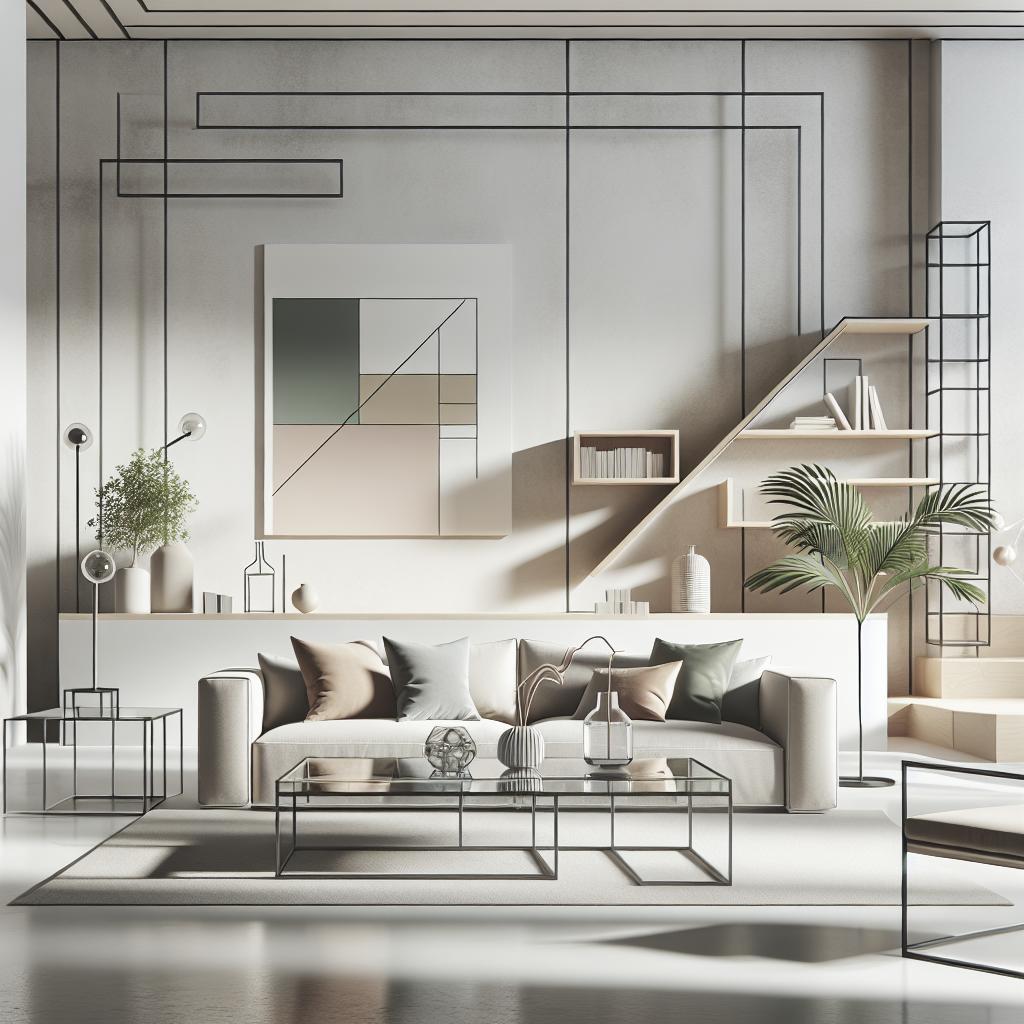
### Abstract Architecture has long been a reflection of human ingenuity and creativity. Among the characteristics that define this discipline, symmetry stands out as a fundamental element. From ancient monuments to modern urban design, symmetry not only enhances aesthetic appeal but also contributes to structural integrity and functionality. This blog delves into the various roles symmetry plays in architecture. By tracing its history and examining its impact on both human and biological elements, we will explore how symmetrical principles continue to shape environments. The discussion extends to modern advancements, applications in biology, and the potential health benefits of symmetry, rounding off with an analysis of how these concepts can form the basis of future research endeavors. ### 1. Introduction Symmetry serves as a cornerstone in the realm of architecture, influencing design choices from ancient times through to modern-day structures. This blog post explores the critical role of symmetry in architecture, dissecting its relevance to aesthetics, structural integrity, and cultural significance. We will explore the various classes and theories of symmetry and examine its implications on human biology and wellbeing. Additionally, we’ll delve into contemporary developments and offer tentative conclusions along with new directions for research. Overall, this exploration aims to provide a comprehensive understanding of how symmetry serves art and life in built environments. ### 2. Definition and Background Symmetry in architecture refers to balanced and proportionate similarity found within designs. This principle finds expression through bilateral, radial, and translational symmetry, providing visual harmony and structural stability. Historically, symmetry has served as a universal design element. Ancient civilizations, like the Egyptians and Greeks, celebrated symmetry in their temples and monuments, seeing it as a manifestation of divine order. Moreover, symmetry in architecture goes beyond mere aesthetics. It’s intrinsically tied to mathematical principles and physical stability. Architects employ symmetry to distribute weight evenly and enhance structural durability, thus shaping not only how buildings look but also how they function effectively over time. ### 3. Classes of Symmetry Architecture typically employs several classes of symmetry, including bilateral, rotational, and translational, each serving distinct aesthetic and functional purposes. Bilateral symmetry, where one half of a structure mirrors the other, is the most common in building design, facilitating functional layout and ease of navigation. Rotational symmetry involves a central point around which a design rotates, a principle seen in structures like domes and circular plazas, where visual interest and structural efficiency harmonize. Translational symmetry, often used in the repetition of design elements like windows or columns, provides continuity and rhythm to architectural forms. These classes of symmetry are not mutually exclusive; many structures blend these principles to create complex and harmonious designs. In modern architecture, digital tools allow architects to experiment with and implement these classes of symmetry in innovative and functional ways. ### 4. Theories of Symmetry in History Across the ages, symmetry has been tied to theories of beauty and perfection. Ancient Greeks linked symmetrical proportions, especially in the human body, to divine creation, a notion reflected in the meticulous symmetry of structures like the Parthenon. Renaissance thinkers like Leonardo da Vinci further explored these ideas, combining art and science to deepen our understanding of how symmetry relates to aesthetics and proportion. In contrast, in Eastern cultures, such as Hindu and Buddhist architecture, symmetry aligns with spiritual and cosmic principles, creating spaces deemed harmonious and serene. These interpretations show how symmetry transcends mere decoration, embedding itself in the philosophies and societal values of civilizations throughout history. Furthermore, the Industrial Revolution and subsequent modernist movements brought new theories to the fore. Architects like Le Corbusier leveraged symmetry to champion the principles of functionalism and efficiency, marking a shift towards minimalism and utilitarian design. These historical theories continue to inform contemporary architectural practices. ### 5. Modern Developments Contemporary architecture has embraced new interpretations of symmetry, empowered by technological advances. Computer-aided design (CAD) and 3D modeling software provide architects the ability to create intricate, innovative forms that explore symmetry in unprecedented ways. Parametric design, for instance, allows for dynamic symmetry, where fluid, asymmetric shapes are achieved using mathematical algorithms. This reimagining of symmetry goes beyond visual aesthetics, focusing on improving sustainable architecture. By employing symmetrical designs with advanced materials and technology, architects can maximize natural light, reduce energy consumption, and improve climate control within structures. Additionally, modernists are inspired by the biomimicry movement, which looks to nature’s inherently symmetrical patterns to solve architectural challenges. This approach has led to the creation of resilient, adaptable buildings that reflect the beauty and precision found in natural forms, proving that symmetry remains as relevant today as it ever was. ### 6. The Role of Symmetry in Biology Symmetry is a foundational aspect of biological systems, contributing to functionality and survival. In nature, symmetric patterns can be observed, from the radial symmetry of flowers to the bilateral symmetry in animals. Such symmetry is not just about aesthetics; it plays a role in attracting pollinators, deterring predators, and facilitating movement and growth. In evolutionary biology, symmetry is considered a signal of genetic fitness. Many animal species select mates based on symmetrical features, associating them with good health and reproductive capabilities. These biological principles underscore the importance of symmetrical design in engineered systems, including architecture, as it mimics these efficient and tested natural forms. The synergy between biological and architectural symmetry creates spaces that are both functional and aesthetically pleasing, capable of adapting to users in a natural and intuitive manner. This relationship offers valuable insights into sustainable and user-centered architectural practices. ### 7. The Role of Symmetry in Human Biology Humans are innately wired to appreciate symmetry, which plays a role in perceptions of beauty and attraction. Facial symmetry is often cited as a factor in attractiveness, suggesting evolutionary advantages of symmetry, such as good health and genetic fitness. This biological predisposition has implications beyond personal interactions and extends into architectural spaces. In the built environment, symmetrical structures are perceived as more pleasant and harmonious, potentially reducing stress and promoting wellness. This perception stems from our brain’s preference for processing symmetrical configurations, which require less cognitive load compared to complex asymmetrical patterns. As such, these human preferences for symmetry can guide architectural design to create environments that promote psychological well-being. The balance and order obtained through symmetry might not only enhance aesthetic appeal but also support health and comfort, fostering wellbeing in spaces where people live and work. ### 8. Evidence for the Health Impacts of Symmetry and Its Absence Research indicates that symmetry in one’s environment can influence mental and physical health. Studies show that people consistently gravitate toward symmetrical designs, finding them easier to process and more stress-relieving. This preference for symmetry suggests that living or working in balanced, orderly environments can positively affect one’s mental state and well-being. Conversely, environments lacking symmetry may contribute to discomfort and dissatisfaction over time. Chaotic or uneven spaces can cause cognitive fatigue due to their complexity and difficulty to process visually. In contrast, symmetrical spaces often inspire calmness and a sense of organization, proving beneficial in settings designed for rest and recuperation, such as hospitals or rehabilitation centers. Further research could examine how these effects vary across different demographics, providing architects with insights into designing environments tailored to the specific needs of occupants, enhancing their quality of life while supporting overall health. ### 9. Applications of Symmetry to Built Environments: Art in Service to Life Symmetry is not merely a visual aesthetic in architecture but serves functional purposes that enhance the life of a building. In urban design, symmetrical layouts are used to create intuitive navigation systems, thereby improving pedestrian flow and ensuring efficient use of space. Plazas, parks, and public spaces often use symmetry to organize paths and amenities, facilitating ease of access and encouraging community engagement. Architects who apply symmetry thoughtfully can diminish urban chaos, offering visual respite in busy environments. In residential construction, symmetry also dictates practical aspects, such as the layout of rooms and windows, having energy efficiency considerations. Moreover, in workplaces, schools, and healthcare facilities, symmetry supports clarity and order that boost productivity and concentration. The harmonious environments generated contribute to a sense of balance and wellness, exemplifying how artistic symmetry can indeed be in service to improving life experiences. ### 10. A Basic Distinction When discussing symmetry in architecture, it’s essential to distinguish between types and purposes of symmetrical design. While axial symmetry creates formal and stately entrances or hierarchical organization, radial symmetry lends dynamism and focus, ideal for spaces meant for congregation and interaction. Furthermore, architects differentiate between static and dynamic symmetry. Static symmetry supports traditional expectations of balance, linked closely to historical architecture. In contrast, dynamic symmetry leverages modern technology and creativity to craft innovative spaces that respond dynamically to user needs and environmental conditions. Recognizing these distinctions allows architects and designers to choose symmetry types that align best with the purpose and context of a given project, ensuring that form effectively supports function. ### 11. Tentative Conclusions and Hypotheses for a New Research Agenda Incorporating symmetry into architectural design offers manifold benefits, both visually and functionally. While current research acknowledges the mental and physical health impacts of symmetry, further studies could explore the nuanced effects of different types of symmetry across diverse user groups and cultural contexts. Moreover, investigating the balance between symmetry and asymmetry in sustainable architecture opens opportunities for innovation. As architects aim to create spaces that are both efficient and aesthetically pleasing, understanding this balance becomes crucial. Future research might also consider how technology, like AI or VR, can assist in designing symmetrical spaces that adapt to users’ needs, further enhancing the role of symmetry in architecture as a beneficial and dynamic tool in the service of life. ### 12. Discussion The interplay between symmetry and architecture reveals a deep-rooted, multifaceted relationship that transcends cultural boundaries and historical periods. From enhancing aesthetic qualities to ensuring structural stability, symmetry’s role reflects its universal application and significance. As technology continues to evolve, architects are better equipped to experiment with and apply these timeless principles, advancing both form and function. Symmetry’s influence on well-being and ecological sustainability further underscores its importance in modern design practices. As the discipline of architecture increasingly emphasizes human-centered and environmentally friendly designs, symmetry remains an enduring, guiding principle. As we continue to uncover the complexities of symmetry in architecture, it becomes paramount to explore this relationship in interdisciplinary ways, collaborating with fields such as psychology, biology, and technology. Doing so will yield richer insights and elevate architectural practices, adapting them to the changing needs and values of society. ### 13. Conclusions The exploration of symmetry’s role in architecture reveals its profound impact on design aesthetics, human wellbeing, and structural functionality. From its historical roots to modern iterations, symmetry stands as a testament to the balance between tradition and innovation. As a principle, it continues to evolve, embracing new technologies and insights to align architectural practices with contemporary needs. ### Funding This post was developed with a commitment to freely accessible education and was not funded by any external sources. ### Acknowledgments Gratitude is extended to the architects and historians whose works and documentation have enriched our understanding of symmetry in architecture. ### Conflicts of Interest The author declares no conflicts of interest. ### References 1. Alexander, C. (2002). The Nature of Order: An Essay on the Art of Building and the Nature of the Universe. Center for Environmental Structure. 2. Arnheim, R. (1974). Art and Visual Perception: A Psychology of the Creative Eye. University of California Press. 3. Pallasmaa, J. (2005). The Eyes of the Skin: Architecture and the Senses. Wiley. ### Share and Cite Feel free to share this article on social media and include it in your citations as a source of insightful analysis into the role of symmetry in architecture. ### Article Metrics For comprehensive statistics on this article’s reach and engagement, see the following section: #### Article Access Statistics Track the number of views, shares, and engagement metrics through integrated analytics platforms in a future update. — ### Summary of Main Points | Section Title | Summary | |—————————————————————–|——————————————————————————————-| | Abstract | Overview of symmetry’s role in architecture, emphasizing historical and modern significance.| | Introduction | Introduction to symmetry’s importance in architectural design and its diverse applications.| | Definition and Background | Explanation of symmetry concepts and their historical usage in architecture. | | Classes of Symmetry | Discussion of the types of symmetry and their applications in architectural structures. | | Theories of Symmetry in History | Exploration of historical perspectives and theories of symmetry in architecture. | | Modern Developments | Examination of contemporary interpretations and advancements using symmetry. | | The Role of Symmetry in Biology | Symmetry’s significance in nature and its application in architectural design. | | The Role of Symmetry in Human Biology | Analysis of symmetry’s appeal and influence on human perception and wellbeing. | | Evidence for the Health Impacts of Symmetry and Its Absence | Assessment of symmetry’s psychological and health impacts in built environments. | | Applications of Symmetry to Built Environments: Art in Service to Life | Exploration of symmetrical applications enhancing functionality in urban spaces. | | A Basic Distinction | Differentiation of symmetry types and their respective advantages in architecture. | | Tentative Conclusions and Hypotheses for a New Research Agenda | Suggestion of future research directions on symmetry’s role in architecture. | | Discussion | Recap and emphasis on the continuing relevance of symmetry in architectural innovation. | | Conclusions | Final thoughts on symmetry’s enduring influence on aesthetics and structural design. |