Creating a Tranquil Oasis for Mindful Practice: Tips and Transformations In today’s fast-paced world, finding a sanctuary of calm and quiet can be vital for maintaining mental wellness and balance. A dedicated meditation space in your home can be just that—a refuge for relaxation and self-discovery. Whether you have a sprawling garden or a cozy nook to utilize, creating an area for meditation is about integrating your personal touch while ensuring tranquility. This guide delves into various ways to construct a peaceful retreat that speaks to your individual tastes and needs. We’ll discuss minimalist design for a clutter-free environment, amplify personal touches, utilize colors, and even explore outdoor settings. From achieving a serene yet stimulating brightness to considering room reconfiguration and embracing bohemian styles, discover how to tailor a meditation sanctuary that invites peace and presence.
Embrace Minimal Décor
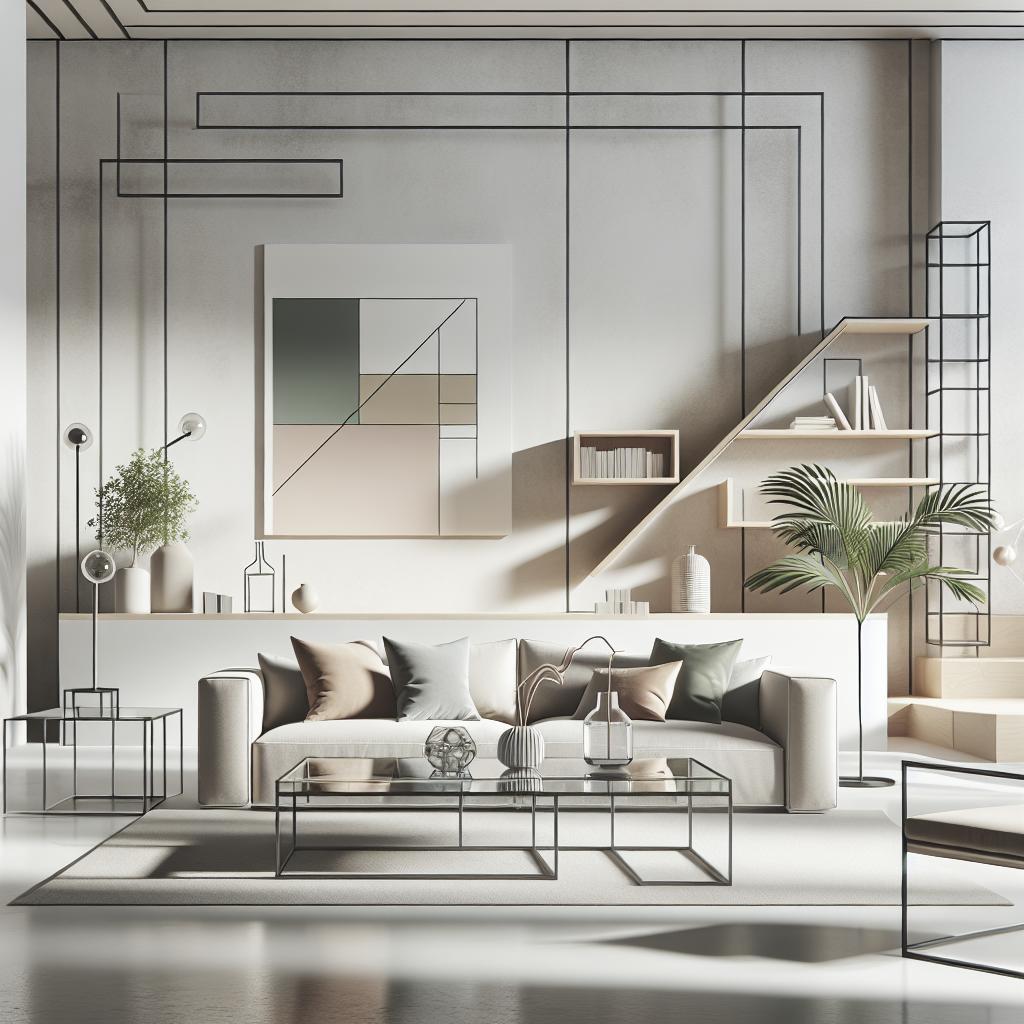
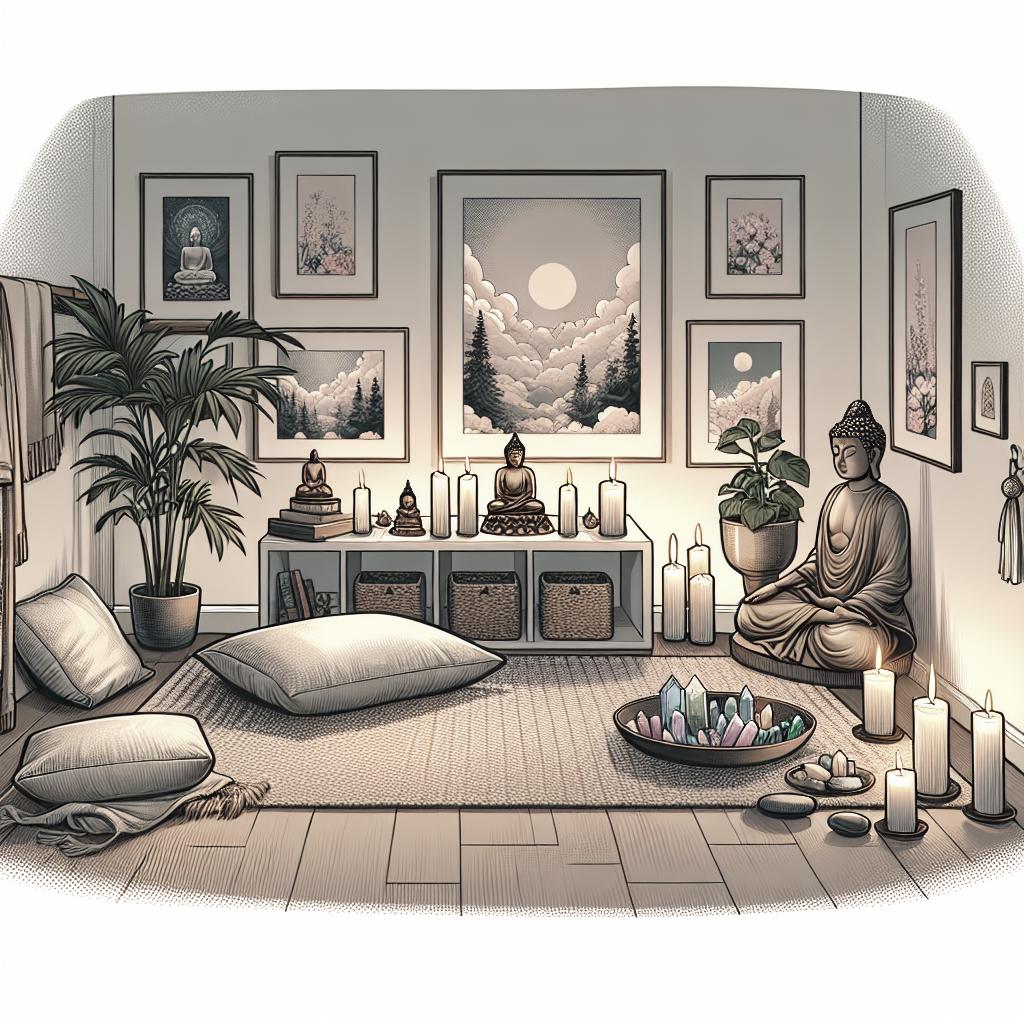
When crafting a meditation space, adopting a minimalist décor approach can significantly enhance its calming qualities. Minimalism eliminates distractions, helping to create a blank canvas for your thoughts, allowing you to focus on your breathing and meditation practice without unnecessary visual interruption. Start by selecting key pieces that contribute to your comfort and relaxation. Choose a simple, comfortable cushion or mat as your central seating element. Consider incorporating a small, plain altar to hold essential meditation tools like candles or incense, and don’t forget a rug or a soft blanket to invite warmth and insulation. It’s essential to keep surfaces clear and free from clutter, ensuring each item has a purpose that contributes directly to your meditative intentions. Remember, minimalism doesn’t equate to starkness. Choose quality and meaningful pieces over quantity. A single plant or a piece of art can offer a focal point, fostering a sense of connection to the space without overwhelming it.
Spotlight Your Personality
While a minimalist approach offers clarity and calm, spotlighting your personality within your meditation space can make it even more inviting and special. Infuse your unique characteristics into the area to reflect a space that resonates with you on a personal level. Begin this transformation by deciding which items resonate with your core values and energy. These could be personal photos, souvenirs from travels that inspire tranquility, or specific colors and textures that evoke peace. Consider integrating elements that are meaningful: a crystal collection, a favorite painting, or symbols from your personal beliefs or spiritual practices. Incorporating personal touches connects your identity to the space, enhancing its power as a meditative zone. This personalization should maintain a balance to ensure that the area does not become cluttered, but rather remains a sanctuary reflecting your true self.
Choose Soft Colors
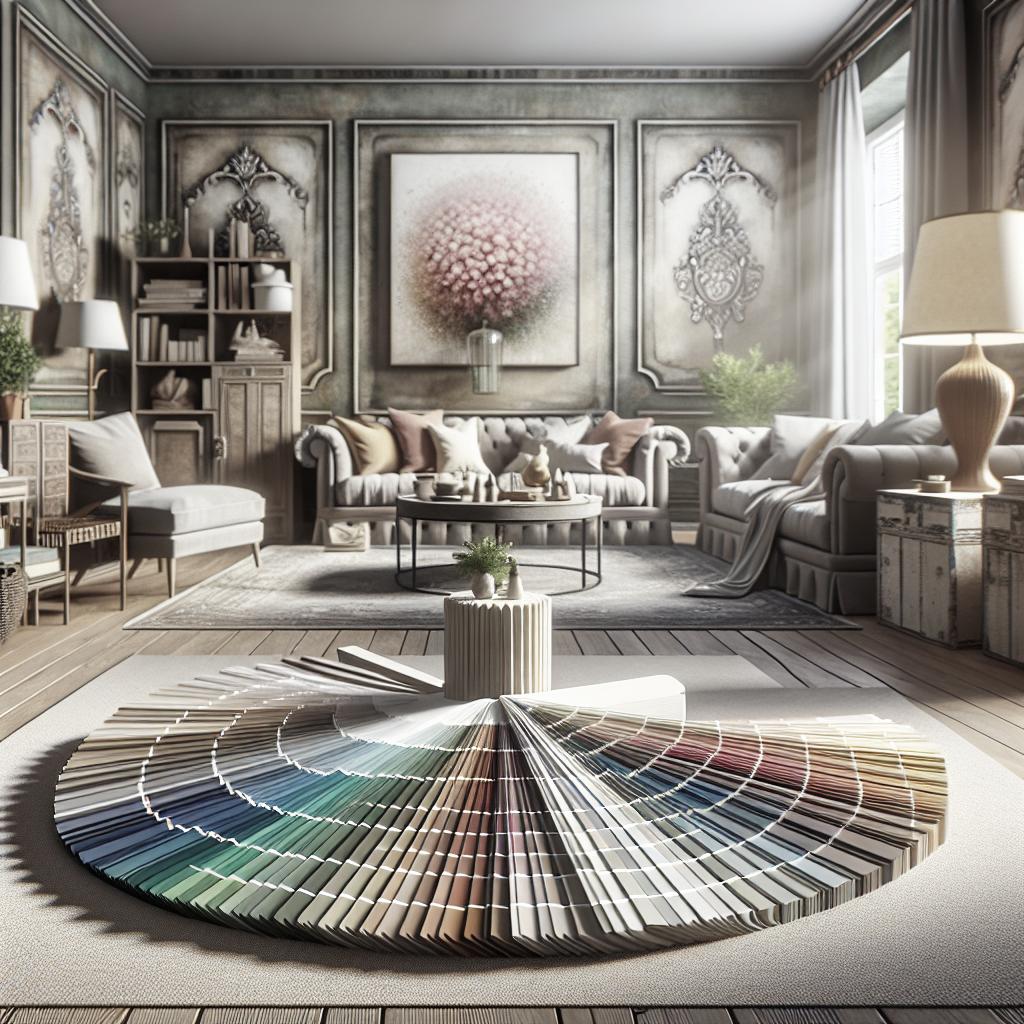
Choosing the right color palette for your meditation space can greatly influence the atmosphere and impact the energy of the area. Soft, muted colors are generally preferred as they promote calm and serenity, ideal for meditation. Consider shades like soft blues, muted greens, pale pinks, or gentle creams, as they can induce a soothing ambiance. Painting walls in these tones creates a tranquil backdrop, while soft textiles such as curtains or cushions in similar hues can add coherent layers of tranquility. These colors are known to reduce stress and impart a sense of balance and harmony. Additionally, the psychology of color plays a significant role. For example, blue can be calming, reducing anxiety, while green can promote feelings of safety and renewal. Experimenting with a blend of these tones can tailor the space to meet your emotional and psychological needs, enhancing your meditation experience.
Take Your Meditation Space Outdoors
If weather and space allow, transforming an outdoor environment into a meditation haven can provide numerous benefits. Nature offers a unique backdrop of sounds and sights that can enhance the meditative experience, such as the rustling leaves, chirping birds, or the gentle flow of water from a nearby stream. Identify a quiet corner in your garden or balcony where you can set up a simple yet comfortable outdoor nook. Use natural elements like stones, wooden benches, or earth-colored cushions to blend seamlessly with the surroundings. An outdoor canopy or pergola can provide shelter from the elements, allowing you to enjoy your space in different weather conditions. Being outdoors also offers an opportunity for grounding—connecting with the earth’s energy—which can deepen your meditation practice. The open environment encourages breathing deeply, helping to enrich your sessions with fresh air and invigorating natural beauty.
Make It Light and Bright
Lighting can make a significant difference in setting the mood for your meditation space. Natural light is ideal, so aim to locate your sanctuary near a window where daylight can gently illuminate the area, imbuing it with a fresh and clean atmosphere. Incorporate window treatments that allow you to control the light level, like sheer curtains that diffuse sunlight to create a soft, ambient glow. Consider adding mirrors to reflect light, enhancing the feeling of spaciousness and openness—a vital quality for creating a mental retreat. When natural light is challenging to harness, opt for warm, soft lighting with the use of lamps or candles. String lights or salt lamps can introduce a cozy and relaxing glow at evening times, encouraging a reflective and meditative ambiance that complements both day and night practices.
Mimic a Professional Studio
For those who prefer a structured environment, mimicking the elements found in a professional meditation studio can yield a dedicated and productive practice space. Professional studios often incorporate a balance of simplicity, neutrality of tone, and functional features that you can integrate at home. Start by organizing a layout that includes a clear purpose for meditation with designated spaces for yoga mats or sitting pads. Consider soundproofing elements such as heavy drapes or door seals to minimize noise distractions, maintaining a tranquil environment throughout your practice. Include functional elements such as shelving for props like blocks or bolsters, a space for meditative music devices, or a small indoor water feature for natural sound. This structured setup adheres to the principles of a professional studio, offering an organized yet flexible space conducive to deep meditation and relaxation.
Rethink a Room
Rethinking the use of a room in your home to become a dedicated meditation space can harness its full potential, allowing you a bespoke area committed solely to mindfulness and relaxation. This can be achieved by transforming an underused guest bedroom, attic, or a quiet corner in the living room. Remove any elements that don’t contribute to a peaceful atmosphere, focusing on simplicity and intention in your redesign. Incorporate sound-neutralizing textiles like rugs and thick curtains, as well as adding storage solutions to keep the place uncluttered. Rethink these spaces creatively—turn a window seat into a meditation nook or an awkward alcove into a cozy meditation hideaway. This transformation is about maximizing the potential of existing spaces while ensuring each adaptation is aligned with the ultimate goal of relaxation and mindfulness.
Go All-Out Bohemian
For those attracted to rich textures and vibrant layers, a bohemian-themed meditation space offers an exhilarating and free-spirited retreat. Bohemian style is characterized by its artistic flair and harmonious eclecticism, making it ideal for a creative and personalized space. Start by layering with textiles—think colorful rugs, intricately patterned cushions, and richly woven wall hangings. These elements add a tactile dimension and comfort, inviting relaxation. Use varied lighting sources, such as candles or fairy lights, to create a warm and inviting glow that’s as energizing as it is relaxing. Incorporate thematic elements like dream catchers, hanging plants, or an array of crystals to harness their energetic properties. This approach provides both visual interest and an invitation to explore the space with your senses, enriching the meditation experience with vibrant energy and bohemian charm.
Cozy It Up
Cozying up your meditation space can create a haven of comfort where relaxation comes naturally. A space that feels safe and warm is conducive to consistent practice and deeper mindfulness journeys. Consider soft furnishings to create a cocoon-like environment, such as plush cushions, thick throw blankets, and an inviting armchair or bean bag. Textures play a crucial role in coziness—think about blending wool, cotton, or velvet to create a feeling of being embraced by the space. Enhanced coziness can also come from scent; incorporate calming aromas through essential oil diffusers or scented candles with lavender or chamomile. The goal here is to craft an inviting atmosphere that wraps you in warmth and comfort, allowing you to truly unwind and focus on your meditation practice without distractions.
Create a Laid-Back Feel
A laid-back meditation space encourages relaxation and stress relief, promoting a sense of effortless ease and tranquility. Such a space should cultivate a casual environment that welcomes daily use without the rigid structure of a formal setup. Begin forging this ambiance with relaxed furniture—consider low seating options like floor pillows or a hammock chair. The key is embracing comfort and informality, which allows for spontaneous practice sessions without elaborate preparation. Incorporate elements that inspire relaxation at a glance, such as a personal journal by your side, a selection of relaxing teas within reach, or a fluffy robe ready to envelop you post-meditation. This laid-back approach ensures the space feels accessible and unintimidating, encouraging you to use it frequently and intuitively engage in mindful moments. Next Steps Below is a handy overview guide, summarizing how you can create your personalized meditation space by incorporating various themes and elements:
| Approach | Description |
|---|---|
| Embrace Minimal Décor | Focus on simplicity by using minimal items to eliminate distractions. |
| Spotlight Your Personality | Add personal touches that reflect your unique preferences and energies. |
| Choose Soft Colors | Use muted color palettes to create a calming visual environment. |
| Take Your Meditation Space Outdoors | Create a meditative area in a serene outdoor setting. |
| Make It Light and Bright | Utilize natural or soft lighting to maintain a bright, inviting space. |
| Mimic a Professional Studio | Recreate the structure and calm of a professional meditation studio. |
| Rethink a Room | Explore the potential of underused spaces for a dedicated meditation nook. |
| Go All-Out Bohemian | Adopt a bohemian style with rich textures and artistic elements. |
| Cozy It Up | Incorporate soft, warm elements for a cocoon-like retreat. |
| Create a Laid-Back Feel | Design a casual, relaxed space to encourage frequent use. |