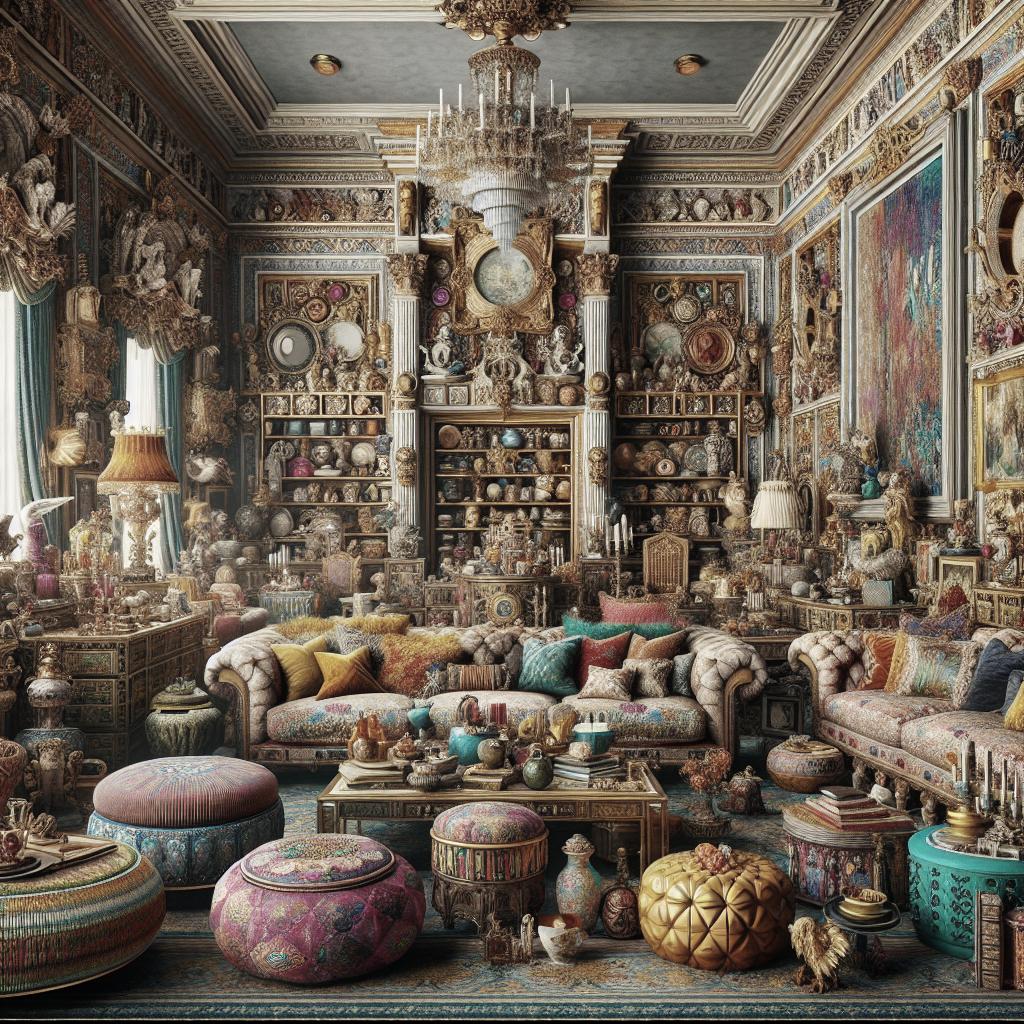
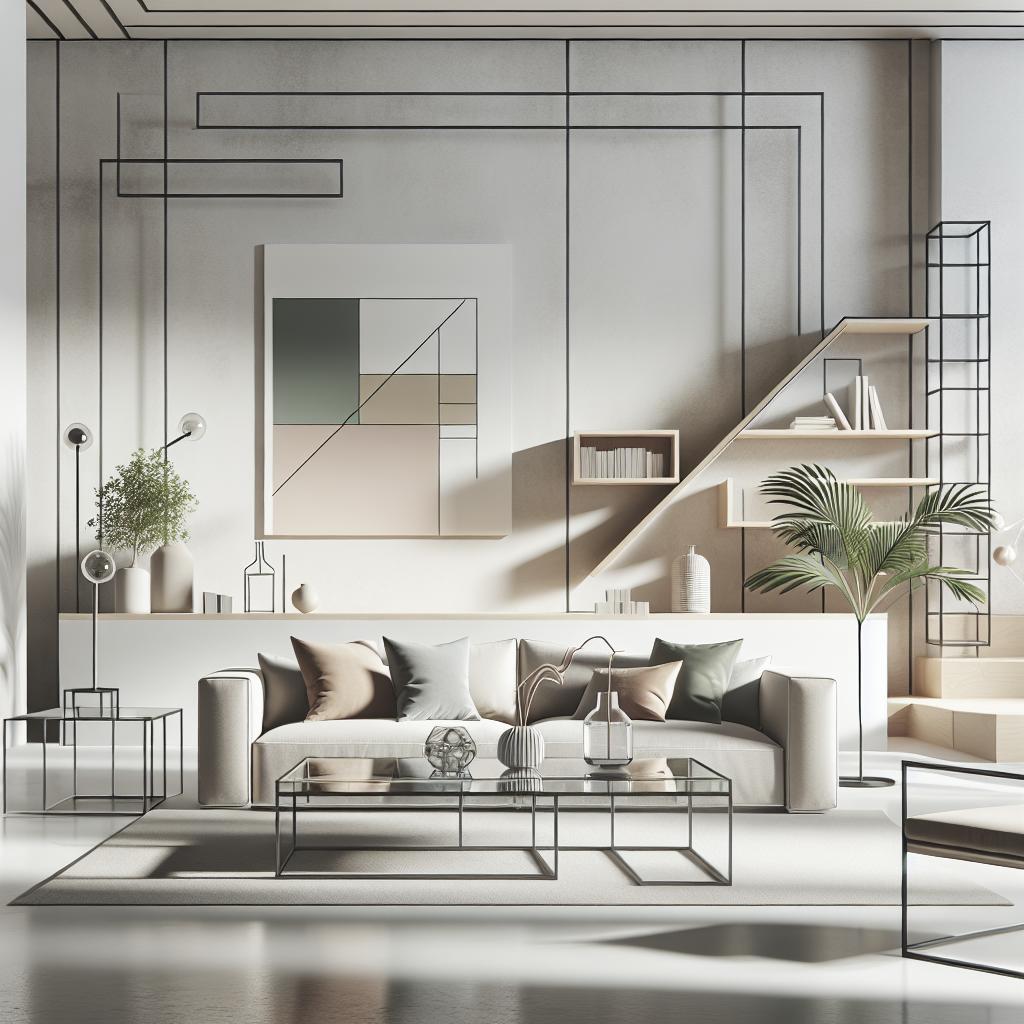
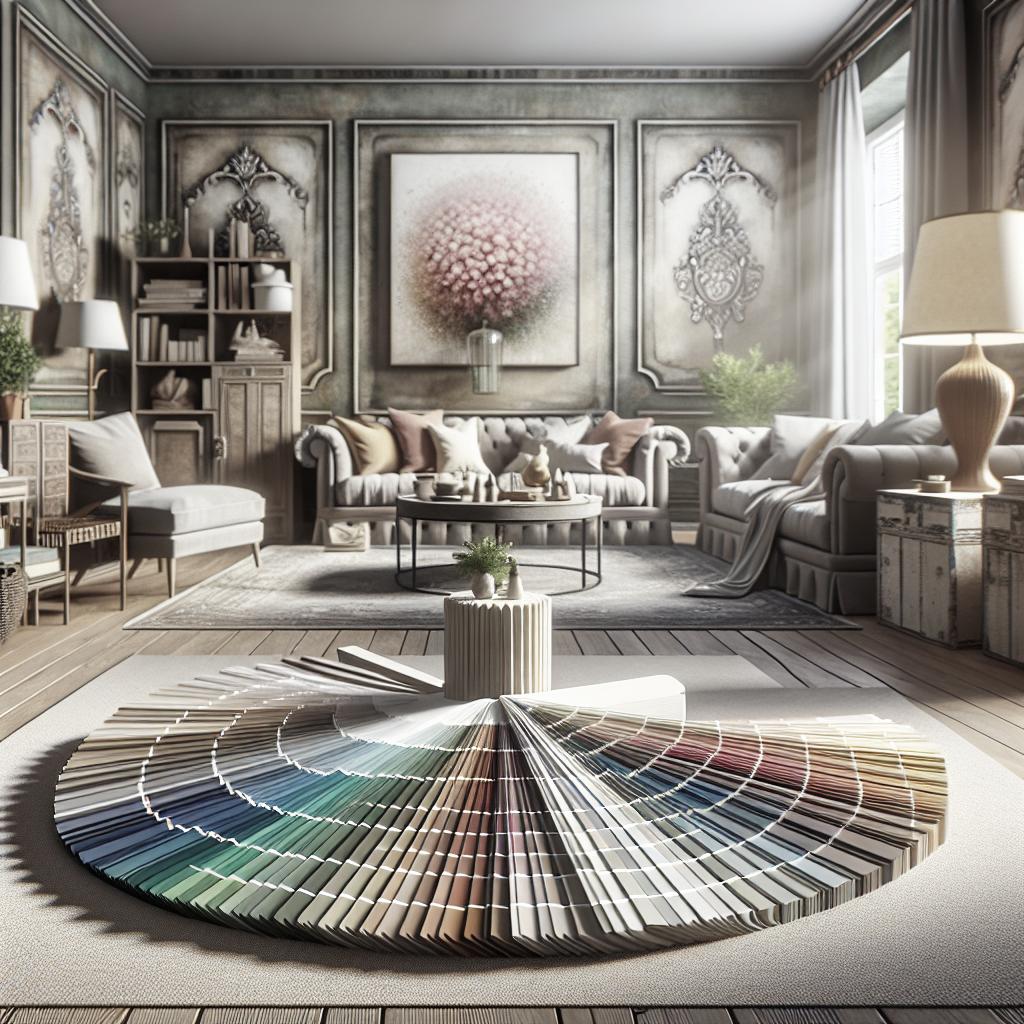
Maximalist Interior Design: More is More! In the world of interior design, styles range from the simplicity of minimalism to the exuberance of maximalism, each offering a unique approach to space aesthetics. Maximalist interior design celebrates bold contrasts, vibrant patterns, and a mixture of textures, creating an immersive and personalized environment. Rooted in historical design movements and propelled by a desire for self-expression, maximalism garners recent popularity for its ability to transform spaces into a testament to individual personality and creativity. From its rich history to the characteristics that define it and the strategic design tips for your space, this blog will explore the captivating world of maximalist design. We’ll delve into essential elements like joyful ambience, expert insights, feature pieces, and clever ceiling designs. Ready to embrace the “more is more” philosophy? Let’s journey through the kaleidoscope of maximalism and discover how to bring this expressive style into your home. — ## A Brief History of Maximalism Maximalism as a design style deeply roots itself in the arts and cultural movements that defy the minimalist principle of “less is more.” Its origins can be traced back to various eras throughout history where ornate and eclectic decor was prevalent. During the Victorian era, for instance, interiors were richly decorated with intricate patterns, textured fabrics, and unique artifacts from around the globe, reflecting a maximalist approach long before the term was coined. The postmodern art movement of the mid-20th century further fueled maximalism. Artists like Andy Warhol and movements such as pop art embraced vibrant colors and mixed media, challenging the traditional boundaries of art. This influence permeated interior design, encouraging homeowners and designers alike to experiment with bold colors, varied textures, and a mix of historical and modern elements. By juxtaposing diverse patterns and treasures, design became a canvas for storytelling and personal expression. In the latter half of the 20th century and into the 21st, maximalism continued to evolve with changing tastes and societal shifts. It emerged as a counterpoint to the streamlined aesthetic of minimalism, advocating for spaces that reflect lively, diverse experiences and suffusing interiors with individuality and exuberance. ## Maximalism’s Recent Popularity The resurgence of maximalism in recent years aligns with a broader cultural embrace of authenticity and individualism. In an era defined by digital sharing and the curation of personal spaces for social media, many find minimalist spaces too restrictive, turning instead to maximalism’s offering of personality and realness. The #Maximalist hashtag on platforms like Instagram and Pinterest showcases spaces alive with color, artifacts, and life. Another factor contributing to its popularity is the growing appreciation for sustainability and conscious consumerism. Maximalism allows for the integration of vintage, recycled, or collected pieces over time instead of relying on ephemeral design trends that often advocate for short-lived decor items. This propensity towards storied pieces means spaces can evolve organically with new finds and cherished treasures. Moreover, the advent of remote work has shifted how people interact with their living spaces. Home environments need to be stimulating and representative of personal tastes, establishing a sense of comfort and motivation. Maximalism, with its layered approach to design, offers the richness needed to inspire creativity and joy in work and relaxation settings alike. ## Key Maximalism Characteristics ### Patterns and Colors At the heart of maximalism lies an audacious use of patterns and colors. Rather than shying away from hues, maximalists celebrate them, weaving together a tapestry of color that reflects a palette often ignored in more subdued design styles. Floral prints might sit beside geometric patterns, while bold, contrasting colors like rich blues and vibrant yellows harmonize in unexpected yet harmonious cohesion. Each pattern, each splash of color is a statement, a piece of the narrative that the space tells. The joy of maximalism is found in its ability to mix without clashing — an art form that requires a keen eye for balance and contrast. Designers often start with a base pattern or color theme, layering additional elements until the right eclectic mix is achieved. It’s about creating visual interest without overwhelming the senses, offering an enriching experience through every glance. ### Joy Central to maximalist design is the element of joy that permeates a space. Unlike the sometimes sterile nature of other styles, maximalism is free-spirited, encouraging a sense of playfulness and adventure. This joy derives from an abundance of visual stimuli — the clash and harmony of various aesthetics that surprise and delight the viewer. Every room in a maximalist home holds a different story, sparking curiosity and exploration. This style invites personal items and treasured keepsakes in a way that supports comfort and familiarity. Spaces become cozy dens for introspection or active environments for energizing activities, catering to the inhabitant’s mood and needs. Maximalism strongly ties to the personality of those who inhabit the space, making joy the persistent theme in a home filled with cherished memories and unique items. ### Meet the Expert To understand maximalism’s core, it can be insightful to turn to the experts who champion this style. Designers like Jonathan Adler and Justina Blakeney are at the forefront, advocating for a decor that’s as vibrant as it is personal. Adler, famed for his playful and bold aesthetic, emphasizes the importance of surrounding oneself with items that bring happiness. He suggests starting with a statement piece and thoughtfully building around it, ensuring every addition contributes to an overall sense of joy and creativity. Justina Blakeney, celebrated for her “Jungalow” style, encourages layering and the use of plants, patterns, and cultural artifacts to breathe life into spaces. Blakeney promotes the idea of mixing different styles from around the world, inviting elements that evoke particular memories or emotions. By drawing on her expertise, homeowners can gain insights on transforming their spaces through maximalist principles, embracing the “more is more” mantra with confidence. ## Maximalism Design Tips ### Feature Pieces In maximalist design, feature pieces play an integral role in dictating the room’s overall feel and flow. Rather than allowing every item to compete for attention, careful curation is key. Choose standout furniture, like a velvet sofa or an intricately patterned rug, to anchor the space and inspire surrounding decor choices. These focal points shouldn’t necessarily dominate but rather harmonize the many-layered elements that compose the maximalist aesthetic. Art collections, for instance, can be displayed in gallery walls, providing cohesive narratives when juxtaposed with well-chosen feature pieces. Such elements can also serve as conversation starters, bridging gaps between various decorative styles and eras, embodying the personal history and aspirations of their collectors. ### Ceiling Design Maximalism extends beyond walls and furnishings; ceilings are an important surface, offering additional opportunities for expression. Often dubbed the “fifth wall,” ceilings can be adorned with intricate wallpapers, murals, or bold paints to complement or contrast with the rest of the room. This unexpected injection of creativity adds a new dimension to maximalist spaces, encouraging viewers to engage with the entire environment. Consider using moldings, medallions, or eclectic light fixtures to draw the eyes upward, transforming ceilings from functional to focal points. This approach bolsters the maximalist ethos of surrounding oneself with visual intrigue, ensuring no inch of the space is left untouched by personal flair. ### Layering Layering is central to achieving the deep, complex look characteristic of maximalist spaces. This process involves combining textures, patterns, and materials that together weave a narrative, each holding its rightful place in the symphony of the room. Soft throws over rugged furniture, metallic accents with earthy ceramics, and lush greenery against vibrant backdrops all demonstrate the power of layering. Successful layering requires practice and an understanding of how elements work together. Begin with a foundational layer, perhaps with large furniture or rugs, and gradually introduce smaller decor like books, plants, and artworks. The key is to adopt a trial-and-error approach, adjusting pieces until the desired balance and depth are achieved. ### Fun Fact Did you know that iconic designer Iris Apfel is often credited with embodying the maximalist spirit not only in interiors but also in fashion? Her fearless use of color and texture in clothing translates seamlessly into design, illustrating the seamless crossover between personal style and home decor. Apfel’s philosophy revolves around embracing one’s unique flair, asserting that maximalism is less about decoration and more about self-expression across various mediums. — Future Prospects | Aspect | Description | |——–|————-| | History of Maximalism | Roots in Victorian and postmodern art, evolving with cultural shifts. | | Recent Popularity | Driven by the digital age, sustainability, and remote work. | | Key Characteristics | Focus on patterns, color, joy, and expert insights. | | Design Tips | Includes feature pieces, ceiling design, layering, and practical advice. | Exploring maximalism within home decor is a continuous journey that thrives on fascination and expression. As lifestyles evolve and personal spaces become central to our daily lives, maximalist design offers a vibrant, dynamic answer to conventional minimalism, ensuring rooms remain as captivating and individual as those who inhabit them. Embrace maximalism, and transform your home into an ever-unfolding narrative of creativity.
Exploring the Bold and Vibrant World of Maximalist Interior Design
 By
/ October 21, 2025