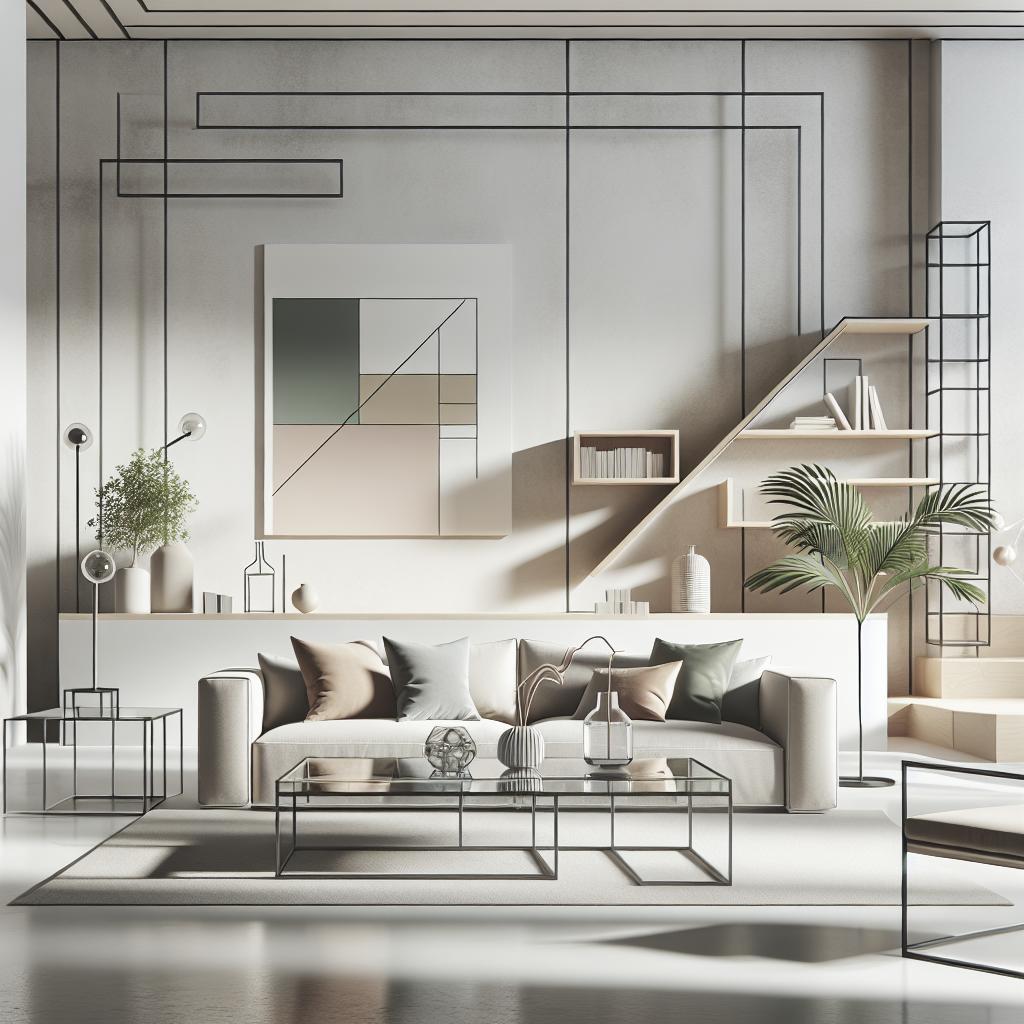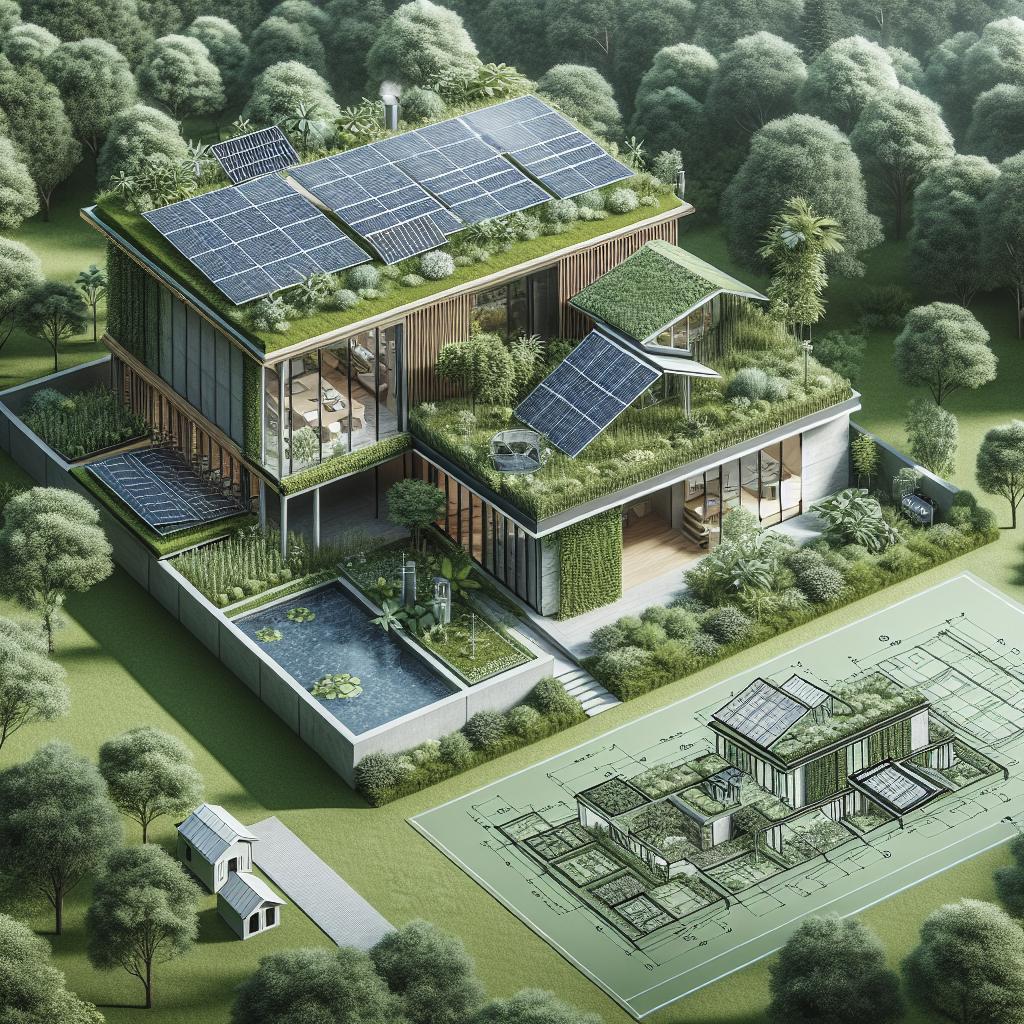
Introduction As our world confronts the pressing challenges of climate change and resource scarcity, the construction industry is increasingly turning towards sustainable practices to reduce its environmental impact. Green building, a burgeoning movement within architecture and construction, promotes environmentally responsible and resource-efficient building practices. This blog post delves into the fundamental principles of green building and their application in modern construction. We explore the definition of green buildings, highlight the myriad benefits they offer, and provide in-depth insights into the principles that guide their design and construction — from optimizing site potential and conserving water to enhancing indoor environmental quality and maximizing energy efficiency. Through this exploration, we aim to illuminate the path toward a more sustainable future in building practices and encourage widespread adoption of these green principles to foster healthier, more sustainable living environments.
What is a Green Building?
The term “green building” encompasses the practice of creating structures and utilizing processes that are environmentally responsible and resource-efficient throughout a building’s life cycle. This holistic approach covers everything from site selection and design to construction, operation, maintenance, renovation, and demolition. Green buildings aim to reduce their overall impact on human health and the natural environment by efficiently using energy, water, and other resources; protecting occupant health; and improving employee productivity. At its core, green building design integrates sustainable development concepts such as energy efficiency, material resource efficiency, and reduced emissions. Older structures can also incorporate green principles through retrofitting, which updates building systems to meet newer sustainability standards. This adaptability sets green buildings apart, as they are not just focused on new construction but also on improving the existing built environment. By employing these practices, green buildings are positioned as a crucial component in the pursuit of sustainable communities. This builds a bridge toward societal goals of living in harmony with the environment while also ensuring that buildings maintain functionality and comfort.
What are the Benefits of Green Buildings?
Green buildings offer a plethora of benefits that extend beyond environmental conservation. A primary benefit is the reduction in operational costs due to increased efficiency in energy and water use. These cost savings can be substantial and continue throughout the building’s life cycle, thereby ensuring a good return on investment for homeowners and businesses alike. Additionally, green buildings typically have higher property values and better marketability, as they appeal to environmentally-conscious tenants and owners who are looking for ways to reduce their carbon footprint. Another significant advantage of green buildings is the enhancement of occupants’ health and well-being. Structures designed to maximize natural daylight, provide superior ventilation, and utilize low-emitting building materials contribute to better indoor environmental quality. This can lead to improved productivity, reduced absenteeism in workplaces, and a general increase in the comfort and happiness of building occupants. Green buildings also positively impact the environment by reducing carbon emissions and waste, conserving natural resources, and mitigating urban heat island effects. This makes them an integral part of the larger global effort to combat climate change. By lessening the ecological burden, green buildings contribute significantly to environmental stewardship and sustainability.
Green Building Principles and How You Can Apply Them
Optimize the Site Potential
Maximizing a site’s potential involves making informed decisions regarding site selection, building orientation, and landscaping to enhance natural energy efficiency. When choosing a location for construction, accessibility to public transportation, proximity to local resources, and ecological impact should be carefully considered. Sustainable site selection can minimize environmental degradation, reduce transportation emissions, and lower urban heat island effects. Orientation and landscaping further augment site potential by leveraging natural climatic conditions. Strategically positioning buildings can capitalize on natural light and heat, which reduces the need for artificial lighting and heating, thus conserving energy. Landscapes designed with native plants can diminish the need for irrigation and maintenance while providing habitats for local wildlife. To implement these principles, assess geographical and climatic data, understand local flora and fauna, and engage community stakeholders. While upfront consideration might be extensive, the long-term environmental and economic rewards are worth pursuing.
Protect and Conserve Water
Water conservation in green buildings encompasses not only the reduction of water use but also the protection of water quality. Implementing technologies like low-flow fixtures, water-efficient appliances, and rainwater harvest systems substantially decreases water consumption. Additionally, utilizing greywater systems allows for the repurposing of wastewater for uses such as landscape irrigation, further conserving fresh water supplies. Preventing stormwater runoff and ensuring water infiltration can protect waterfronts and waterways from pollution. Laying porous paving materials, designing effective water drainage, and constructing green roofs are effective strategies to manage water runoff and improve water quality. Applying these methods requires a thoughtful analysis of regional water availability, usage patterns, and water-related environmental concerns. By doing so, builders can create water-efficient structures that support long-term sustainability objectives.
Enhance Indoor Environmental Quality (IEQ)
Improving indoor environmental quality (IEQ) raises the well-being and productivity of building occupants. IEQ pertains to the quality of a building’s lighting, air, thermal conditions, acoustics, and more. Architects and designers can enhance IEQ by providing access to natural light, incorporating low-VOC materials to reduce toxicity, and engineering optimal ventilation systems for better air quality. Beyond physical health benefits, good IEQ fosters a comfortable and productive environment. Natural daylight can enhance mood and cognitive function, while proper acoustic configurations minimize stress and increase concentration. Advanced HVAC systems ensure clean air circulation, pivotal in maintaining a healthy indoor climate. To apply these principles, builders must conduct assessments of current environments, use simulation tools for light and sound distribution, and choose appropriate materials that align with established IEQ guidelines.
Optimize the Use of Materials and Space
Material optimization in green buildings seeks to minimize environmental impact through the use of sustainable, recycled, and locally sourced materials. Building with sustainably harvested wood, reclaimed materials, and rapidly renewable resources reduces environmental harm caused by extraction, production, and transport of construction materials. Simultaneously, focusing on the building’s adaptability and flexibility during design ensures spaces can accommodate future changes in use or demographics, extending the building’s usable life. Waste reduction during construction and operation is also critical. Applying deconstruction instead of demolition for old buildings allows for material reuse. Utilizing modular design principles can streamline construction, minimize waste, and provide durable, efficient building components. To successfully implement these strategies, collaboration with suppliers and contractors is crucial to source environmentally-friendly materials and construction practices. Analytical approaches, such as life cycle assessments, aid in understanding material impacts and making informed decisions.
Optimize Energy Use
Energy optimization is a cornerstone of green building, focusing on reducing consumption while maximizing the efficiency of energy use. Strategies include integrating renewable energy sources, such as solar, wind, or geothermal systems, and employing energy-efficient appliances and lighting. Passive design strategies that use the climate to maintain comfort — such as thermal mass, natural ventilation, and daylighting — can significantly reduce a building’s energy demand. Smart technologies, like automated systems for lighting, heating, and cooling, allow precise control over energy use and communicate building performance in real-time. Energy-efficient buildings often use integrated systems to balance between renewable energy and consumption, enhancing overall sustainability. To implement these energy principles, an initial energy audit can identify potential improvements, while collaborating with energy specialists can result in a bespoke energy management system. Innovative solutions, reinforced by government incentives and programs, further support the shift toward renewable energy-enhanced buildings. Future Prospects The green building sector continues to evolve, driven by innovation, regulatory frameworks, and increasing awareness of environmental impacts. The following table summarizes the main principles discussed and their related applications, underscoring the pathways forward in achieving sustainable building goals.
| Principle | Application |
|---|---|
| Optimize Site Potential | Site selection, solar orientation, native landscaping |
| Protect and Conserve Water | Low-flow fixtures, rainwater harvesting, greywater systems |
| Enhance IEQ | Daylighting, low-VOC materials, advanced HVAC |
| Optimize Material & Space Use | Sustainable materials, modular design, waste reduction |
| Optimize Energy Use | Renewable energy integration, passive design, smart tech |
As the demand for green building technologies and practices rises, ongoing research and development will create novel methodologies and materials that further diminish the construction industry’s environmental impact. Embracing these developments will empower architects, builders, and communities to build more sustainably, ensuring that we leave a healthier planet for future generations.