In the realm of architectural design, modernist architecture stands as a revolutionary approach which emerged in response to the changing technological, social, and cultural conditions of the 20th century. This exploration of modern architecture aims to elucidate its foundational concepts, historical progression, ideological underpinnings, characteristic features, and notable examples, while distinguishing it from contemporary practices. We begin by defining what constitutes modern architecture and then traverse its evolution through early, midcentury, and postmodern phases. The ideology of modern architecture is anchored in simplicity and functionality, which is reflected in its diverse expressions across different styles and forms. Noteworthy creations from around the globe serve as exemplars of these principles in practice. Finally, we differentiate modern from contemporary architecture, underscoring the distinct qualities that set them apart. This comprehensive analysis highlights both the persistent influence and the evolution of modernist principles within the architectural landscape.
What Is Modern Architecture?
Modern architecture is a design movement marked by its break from traditional forms and its embrace of innovation and simplification. It generally focuses on the synergy between form and function, promoting a minimalist aesthetic largely devoid of elaborate ornamentation. Buildings characterized by modern architecture often employ new materials like steel, glass, and reinforced concrete, and emphasize open floor plans and large windows to allow ample natural light. These principles emerged alongside the rapid technological advancement of the 20th century, aligning new construction techniques with the ethos of providing better standards of living through architecture. At its core, modern architecture champions an honest expression of structure and materials, manifesting functionality as a primary aesthetic quality. Unlike its predecessors, which often hid structural elements or used them merely for decoration, modern architecture celebrated the functional aspects of architecture by bringing them to the forefront. It found inspiration in the industrial revolution, where machines dictated the efficiencies that modernists aspired to translate into their architectural ideologies. Balancing efficiency with innovation, modernist designs sought to create buildings that were not only visually striking but also practical and humane.
History of Modern Architecture
Early Modern Architecture
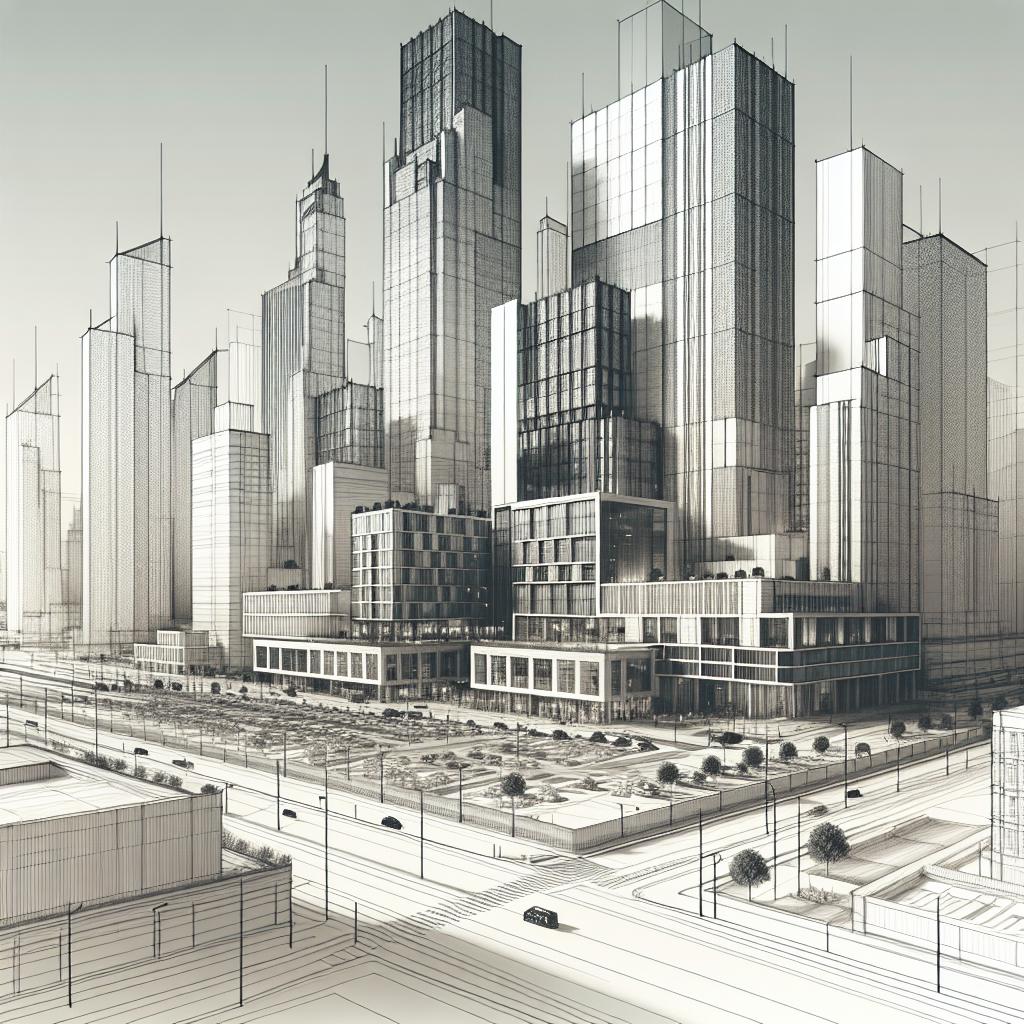
The dawn of early modern architecture traces back to the late 19th and early 20th centuries when architects began to challenge elaboration in design, a hallmark of Victorian and Edwardian styles. Pioneers such as Louis Sullivan in the United States and the Bauhaus school in Germany started to strip buildings of their decorative facades. They emphasized structural simplicity and industrial materials. The innovative use of steel frames and reinforced concrete permitted new architectural expressions, characterized by verticality and openness. During this era, cities became laboratories of modernist experimentation. High-rises began to dot the skylines, symbolizing economic prosperity and the forward thrust of human ingenuity. The functionality of buildings became equally prioritized, indicating a shift towards catering to everyday needs while maintaining aesthetic integrity. This period laid the foundation for the birth of a style that cherishes purity in form and the incorporation of technological advancements into architectural practice.
Midcentury Modern
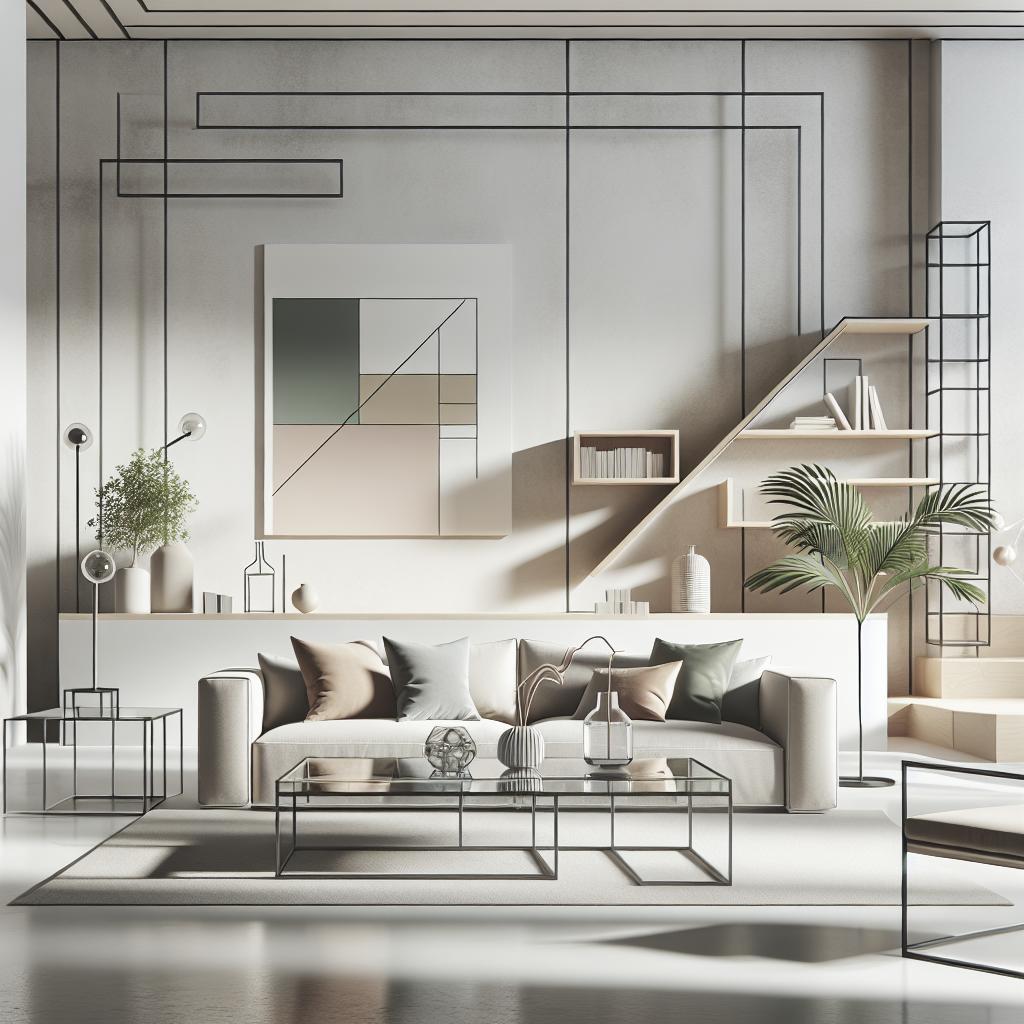
Midcentury modern architecture arose between the 1940s and 1960s, during a time of post-war reconstruction and socioeconomic progress. This period saw an evolution of modernist principles, taking them into residential design and urban planning. Characterized by clean lines, organic forms, and an integration with nature, midcentury modern homes often featured open spaces with large glass panes to connect interior spaces with the surrounding environment. Noteworthy architects like Frank Lloyd Wright, Ludwig Mies van der Rohe, and Le Corbusier introduced essential principles which emphasized harmony between human habitats and nature. Designs favored functionality and simplicity while promoting better living through technology and design. Materials were chosen for their authenticity, streamlined processes, and a blend of new and traditional ideas—resulting in a style that remains influential even today.
Postmodern
In the latter part of the 20th century, postmodern architecture emerged as a reaction against the rigid austerity of pure modernist designs. While remaining rooted in the modernist ethos, postmodernism reintroduced elements of ornamentation, historical reference, and bold aesthetics, bringing irony, eclecticism, and wit to architecture. It merged different styles and cultural symbols in ways that challenged convention and provided more room for emotional expression within structure design. This era pioneered new stylistic directions characterized by playful forms, vivid colors, and experimental aesthetics that cultivated more engaging urban environments. Architects like Robert Venturi and Philip Johnson embraced the complexity and contradiction, often incorporating a variety of styles and elements that emphasized local cultures and historic contexts. This approach called into question the homogeneity of earlier modernism, favoring diverse narratives and rich textures.
Ideology of Modern Architecture
The ideology behind modern architecture is deeply rooted in the pursuit of simplicity, functionality, and the honest expression of materials. This school of thought prioritizes purpose over form, reducing superfluous detail to highlight the utilitarian and structural aspects of a building. Modernist architecture values efficiencies derived from technological advancement, celebrating a building’s utility as its primary beauty. Function dictates form, as modern architecture employs the latest engineering techniques and materials to create spaces that directly serve their intended purpose. The principle “form follows function,” famously coined by architect Louis Sullivan, encapsulates this philosophy, with every design aspect intended to align with the building’s use. The economic, efficient, and practical use of space thus became a hallmark of modern design, examining how buildings can impact lives positively. Moreover, modern architecture’s ideology reflects the movements of its time, paralleling shifts in society towards modernity, democratization, and global interaction. The emphasis on transparency, through the use of glass and open plans, metaphorically aligns with notions of openness in societies post-industrial revolution. In its wider cultural context, modern architecture embodies progress, echoing the transformations in lifestyle and the societal embrace of change and innovation.
Characteristics of Modern Architecture
Modern architecture is distinguishable by its clean lines, minimalist approach, and use of new materials that broke away from previous traditional styles marked by heavy ornamentation. The structures typically favor geometric forms, asymmetrical design, and a visually simplistic aspect, emphasizing volume over mass. This attention to spatial dynamics over embellishments allows for a versatile interpretation of design, resulting in functional, yet expressive architectural forms. Key characteristics include open floor plans which create expansive and flexible spaces free from unnecessary walls, promoting fluidity and connectivity within a building. There is often a significant focus on horizontal and vertical lines and large windows to ensure integration with the outside environment. Buildings in this style are designed to blend with their surroundings rather than overpower them, reflecting a harmonious relationship between nature and human habitation. The use of industrial materials like glass, steel, and concrete not only define the aesthetic of modern architecture but also enhance their functionality. These materials allow for innovative construction techniques and sustainable practices, with steel and concrete providing structural strength while glass offers transparency and visual lightness. Such characteristics have cemented modern architecture’s place as a timeless movement aimed at utilizing form and material honestly and efficiently.
Types of Modern Architecture
Within modern architecture, several sub-styles emerge, each contributing its unique interpretation of modernist principles. International Style, for example, is renowned for its stark functionality, absence of ornament, and emphasis on volume over mass, appealing to a global audience with its universal formal vocabulary. The International Style highlights architects like Le Corbusier and Walter Gropius, whose work emphasized buildings that could be internationally understood and appreciated. Brutalism is another offshoot of modern architecture that became prominent in the mid-20th century. Characterized by its bold, fortress-like appearance and the use of rough-textured, raw concrete, Brutalist structures are notable for their sculptural quality, utilitarian forms, and significant focus on mass and scale. Their imposing presence and utilitarian aesthetic often make them subjects of polarized opinion, yet they embody an uncompromising honesty in materiality and form. Finally, the Organic Architecture movement sought to create buildings that were in harmony with their environment, not just through materials but through a deep integration with nature. Frank Lloyd Wright championed this style, emphasizing fluid transitions between the interior and exterior spaces. His designs reflected a belief in creating spaces tailored to their particular environment and inhabitants, promoting a holistic architectural approach.
Famous Examples of Modern Architecture
Several iconic structures exemplify the core tenets of modern architecture while continually inspiring generations of architects and design enthusiasts. The Bauhaus School in Germany, designed by Walter Gropius, stands as a monument to modernist ideals with its minimalist design and focus on functionality. It serves as both an educational facility and a testament to the unity of art, craft, and technology—a central theme in modernist philosophy. The Villa Savoye, designed by Le Corbusier, embodies the principles of the International Style with its clear geometric form, free facade, open floor plan, and the fusion of architecture with nature found in its surrounding landscape. It is a dynamic exponent of the potential for modern architecture to harmoniously blend artistic ideals with functional requirements, symbolizing a new era of residential living. Another illustrative example is the Guggenheim Museum in New York, conceived by Frank Lloyd Wright. Its spiraling forms and fluid structure break from conventional museum architecture, enhancing not only the aesthetic experience of visitors but presenting an innovative approach to gallery pacing and transition. These structures, among countless others, highlight the transformative and enduring power of modern architecture.
Modern vs. Contemporary Architecture
While often used interchangeably, modern and contemporary architecture are distinct concepts characterized by different philosophies, aesthetics, and timelines. Modern architecture, established primarily in the 20th century, is defined by its break from previous historical styles and its focus on new materials, technological advancement, function, and a minimalist aesthetic. In contrast, contemporary architecture refers to the current architecture of the 21st century that incorporates innovative thinking, techniques, and technologies in design, often linked to the latest styles and societal trends. It is not restricted to a specific time frame or set of materials but evolves continuously, driven by sustainability, digital technology, and a globalized design approach. Contemporary architecture often extends the foundation laid by modernism by embracing diversity, complexity, and multi-faceted design solutions that reflect today’s cultural and environmental consciousness. It tends to blur boundaries between design principles, utilizing hybrid styles to meet modern needs and tastes. This form of architecture embraces fluidity in expression, catering to an era that values rapid change and innovation. Here’s the summary table of the blog: “`html
| Section | Key Points |
|---|---|
| What Is Modern Architecture? | Break from traditional forms, minimalist aesthetic, focus on function, use of new materials. |
| History of Modern Architecture | Early Modern: Simplicity, industrial materials Midcentury Modern: Integration with nature, residential focus Postmodern: Reintroduction of ornamentation, cultural symbols |
| Ideology of Modern Architecture | Simplicity, functionality, expression of materials, reflection of societal changes. |
| Characteristics of Modern Architecture | Clean lines, geometric forms, open spaces, harmonious with surroundings. |
| Types of Modern Architecture | International Style, Brutalism, Organic Architecture. |
| Famous Examples of Modern Architecture | Bauhaus School, Villa Savoye, Guggenheim Museum. |
| Modern vs. Contemporary Architecture | Modern: 20th century, minimalist, functionality-focused. Contemporary: 21st century, evolving, technology-driven. |
“` Through its evolution, modern architecture has consistently showcased a desire to merge aesthetic appeal with practical solutions, emphasizing the significant role architecture plays in shaping human environments.