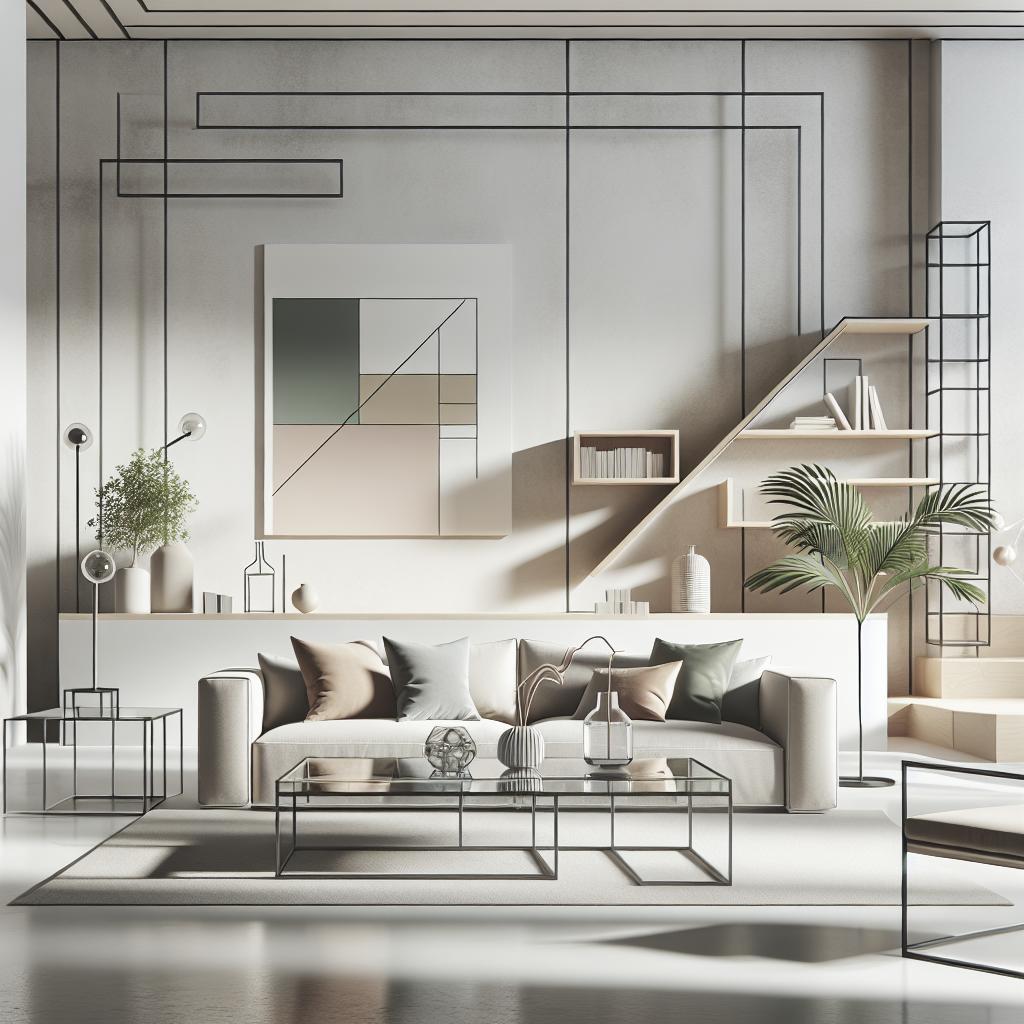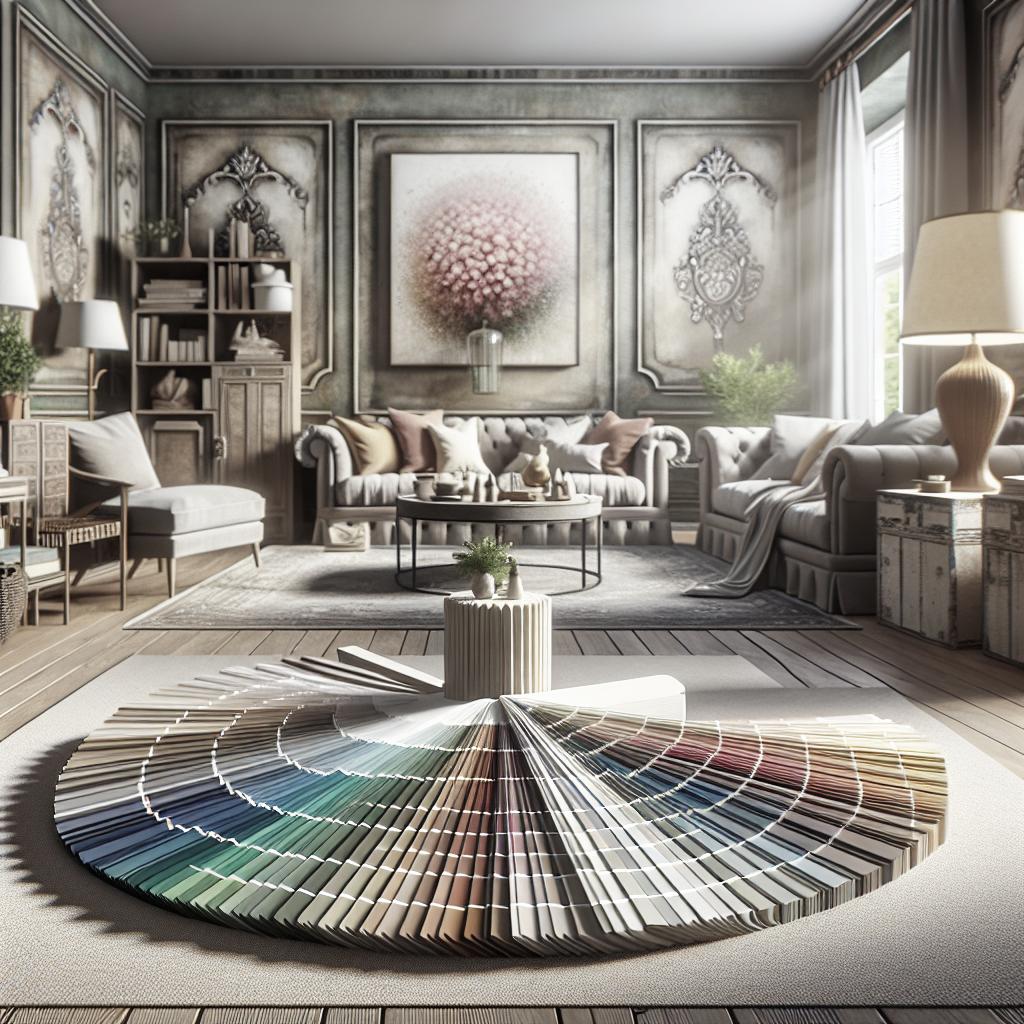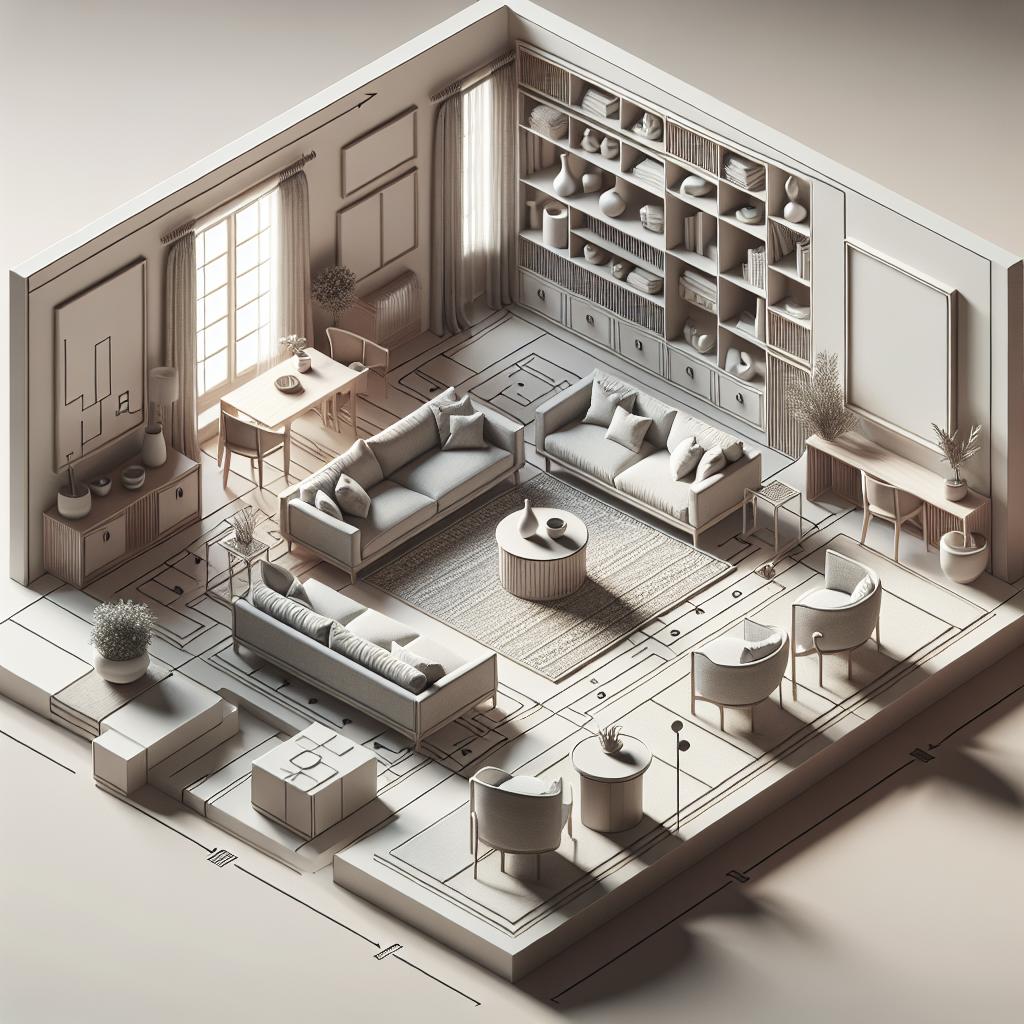
Arranging furniture seems like an uncomplicated task, but the reality is quite different. It’s an art form that transforms a basic space into a harmonious and functional part of your home. Achieving optimal flow in a room enhances both the aesthetic appeal and usability of the space. Such dynamics can positively affect everything from your home’s energy to the daily activities that take place within it. In this post, we’ll explore key strategies for arranging furniture effectively. Starting with choosing a focal point, we’ll navigate how to avoid overcrowding, the benefits of creating a smart layout, and why pushing all your furniture against a wall might not be the best idea. We’ll touch on essential style and texture considerations, the importance of positioning area rugs correctly, and how functionality should never be overlooked. We’ll conclude with frequently asked questions to tackle common uncertainties. ### Decide on a Focal Point The first step in arranging furniture is identifying the focal point of the room. This element, whether it’s a fireplace, a large window offering a view, or a piece of artwork, will anchor your furniture placement choices. By doing so, you establish a natural gravitational center for both the eye and the foot traffic in the room. It’s important for the focal point to be immediately visible upon entering the room to draw attention and effortlessly provide a sense of orientation. Deciding on a focal point affects the feel and energy of a room. It dictates how furniture pieces converse visually and guides the direction of everything from seating arrangements to accent pieces. For instance, in a living room where the focal point is a television, ensuring that seating provides a clear view without sacrificing conversation flows is crucial. Understanding the purpose of the room and the elements that naturally grab attention can simplify this step, reducing the probability of unnecessary obstacles in movement and sightline. ### Don’t Pack Too Much Furniture Into a Single Room Resist the urge to fill every inch of a room with furniture. An overcrowded room feels suffocating and can severely disrupt flow and usability. The right balance lies in creating breathing space between furniture pieces, allowing for comfortable navigation and maintaining a pleasant visual aesthetic. Aim for simplicity, ensuring that the essentials are present without the room feeling cluttered or overbearing. When too much furniture is crammed into a single space, it often leads to frustrating bottlenecks. Visitors and residents alike might find themselves maneuvering awkwardly, which detracts from the comfort and enjoyment of the room. Prioritize multi-functional furniture, like ottomans that can double as storage, or extendable tables, to maximize usability without sacrificing space. Strategic decluttering can aid the room to remain open and inviting, reflecting a thoughtful and deliberate approach to design. ### Create a Smart Layout Design a layout that flows naturally and adapts to your lifestyle’s demands. Begin by analyzing the room’s dimensions and existing architectural features to determine the best arrangement. Think of a layout as a blueprint that balances proximity and distance between individual pieces, ensuring functionality and style are both addressed. Consider using software or apps dedicated to interior design to visualize potential layouts before moving heavy furniture. When crafting a layout, movement and conversation are focal considerations. Maintain pathways for easy circulation, facilitating natural traversal through the room, and ensure that seating arrangements support interaction. Moreover, the layout should accommodate vital routines—such as dining, or working from home—integrating these functions into a cohesive scheme that aligns with how you live. A smart layout respects the room’s natural light, making strategic use of windows and enhancing aesthetic value with thoughtfully placed furniture. ### Don’t Push All Your Furniture Against a Wall While it might seem logical to clear floor space by aligning furniture with the walls, this can make a room feel disengaged and cold. Pulling furniture away from walls encourages more intimate settings, better conversation, and lessens the impression of empty voids in the center of the room. Even in smaller spaces, positioning items a slight distance from walls can create a more inviting and compact atmosphere. Position seating and tables so they form conversational circles or lines radiating from the focal point, promoting both visual interest and dialogue. Making use of the area can also create natural traffic pathways, directing movement seamlessly. Applying this principle doesn’t imply ignoring walls altogether; rather, it’s about leveraging central space without succumbing to the false need for conformity against structural boundaries. ### Consider Style and Texture Style and texture are paramount in achieving a well-flowing room. While your personal taste should shine through, integrating different textures and complementary styles can add depth and interest to any space. Different textures in fabrics, materials, and surfaces diversify the visual and tactile experience, keeping the room engaging and balanced. Avoid monotony by mixing woods, metals, and textiles, to cultivate a layered and inviting environment. When combining various styles, it’s essential to maintain harmony. If traditional furniture populates a room, incorporate modern art pieces or rugs that bridge the gap between eras. Facilitate flow by selecting cohesive color palettes that resonate across different textures. Consistency within variables establishes a dialogue between elements, creating a cohesive identity for the room. The interplay between style and texture can significantly accentuate the room’s functionality and aesthetic quality. ### Position Area Rugs Correctly Area rugs are instrumental in shaping a room’s flow, delineating spaces, and adding warmth. The correct size and placement of a rug can unite disparate furniture pieces into a coherent whole, anchoring the arrangement without overshadowing individual elements. A common rule of thumb is to ensure that the rug is large enough for all front legs of major furniture pieces in a grouping to rest on it, providing unity and aid to the flow. A well-placed rug can define areas without the need for physical barriers, delineating a living area in an open-plan space, for instance. Rugs should harmonize colors and textures within the larger scheme while ensuring they are proportionate to the room’s dimensions. An incorrectly sized or placed rug can create disruptions in flow or visual harshness, making careful consideration in its selection essential for maintaining balance within the room. ### Don’t Forget Functionality Beauty and style should align with a room’s intended use. Understanding how a space will be used is crucial when arranging furniture. Whether it’s a room designed for relaxation, productivity, socializing, or dining, aligning the functionality of each furniture piece to actual needs promotes intuitive use. Consider elements like access to power outlets, lighting needs, and appropriate storage solutions. Functionality propels practical living, and well-chosen pieces facilitate convenience, enhance comfort, and streamline daily activities. Ergonomics should be a priority, ensuring that furniture supports healthful and comfortable interactions. Incorporate adjustable features or modular elements that can adapt to changing needs, allowing flexibility without sacrificing efficiency. Retaining a clear connection between functionality and layout results in a living space that supports a more harmonious lifestyle. ### Frequently Asked Questions Q: How do I choose a suitable focal point for my room? Choosing a focal point involves identifying the most visually appealing element in the space, be it a natural feature or a standout piece like a piece of art. Consider functionality and ensure the feature complements the room’s primary use. Q: Is there a specific order to arranging furniture in a new room? Yes, start by establishing the focal point and main furniture pieces, create your layout based on usability and flow, then fill with secondary items. This ensures cohesion and prevents unwanted clutter. Q: How do area rugs affect room flow? Area rugs contribute significantly to defining spaces, especially in open-plan environments. They help anchor furniture groupings, guide traffic, and add texture, which enhances both visual and physical flow. Q: What can I do if my room feels overcrowded? Consider streamlining belongings by donating or repurposing unused items. Opt for multi-functional furniture, and reconsider the layout by pulling pieces away from walls and assessing the necessity of each item. “`html
| Step | Key Action | Purpose |
|---|---|---|
| Decide on a Focal Point | Identify and arrange around a central attraction | Enhance visual anchor and room orientation |
| Don’t Pack Too Much Furniture | Select essential items and create space | Prevent clutter and enhance usability |
| Create a Smart Layout | Plan based on room dimensions and functionality | Facilitate natural movement and versatility |
| Don’t Push All Furniture Against a Wall | Utilize central space for intimacy | Promote engagement and clear pathways |
| Consider Style and Texture | Mix materials and align styles | Add depth and maintain aesthetic harmony |
| Position Area Rugs Correctly | Anchor furniture with appropriately sized rugs | Define space and enhance flow |
| Don’t Forget Functionality | Arrange according to practical use | Ensure ergonomic comfort and efficiency |
“` Keep these principles in mind when arranging your furniture, and you can transform any room into a functional, aesthetically pleasing space, perfectly suited to your lifestyle and needs. By balancing design elements with practical considerations, you’ll ensure your home environment not only looks great but feels wonderful to live in.