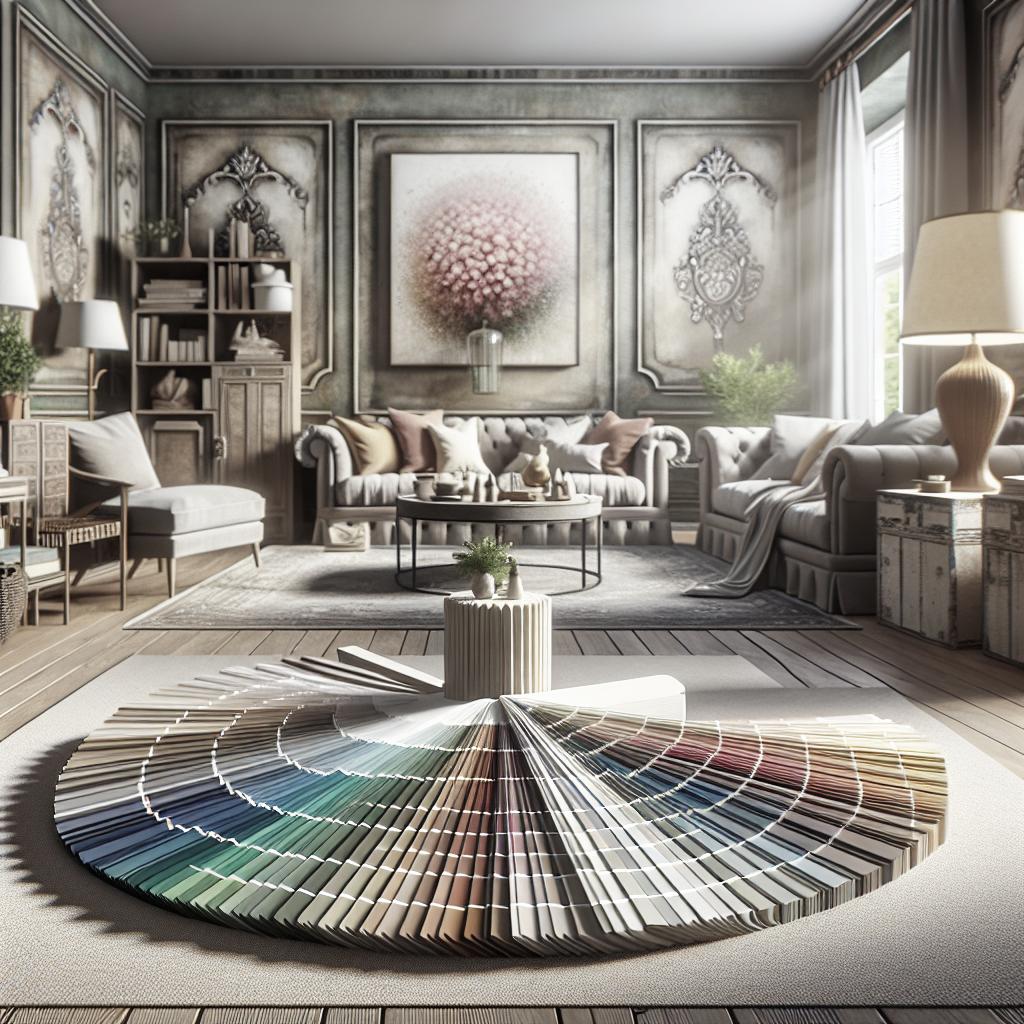
Unraveling the Art of Layering Textures in Interior Decoration When delving into the world of interior decoration, one key element stands out that transforms spaces in profound and pleasing ways: the art of layering textures. Mastering this art can bring depth, interest, and warmth to any room, creating a rich tapestry that appeals to all the senses. This blog post will guide you through the essential steps to effectively layer textures in your home, starting with choosing a main color as your foundational palette. From understanding the role of flooring to creatively applying patterns, we will explore how each layer contributes to the harmonious balance of your space. Additionally, we will look at the impact of artwork, the strategic use of rugs, and the finesse of window dressings. Lighting and accessories will form the finishing touches, enhancing the overall texture and making your home a personal sanctuary. So, let’s embark on this creative journey to enrich your living spaces. ### Choose your main color, over which to build layers The first step in achieving beautifully layered textures is selecting a main color that will serve as the foundation of your design. This color should resonate with the mood and feel you desire for the room, whether it’s calming neutrals, vibrant hues, or deep shades. Your chosen color will act as the background against which all other elements will be arranged, so it’s essential to select one that complements your style preference and home aesthetic. Once your main color is decided, you can begin the process of building layers. This involves selecting complementary colors and shades that will enhance the primary hue, establishing harmony and unity in your space. Using a color wheel can help you find analogous or contrasting colors that make the main color pop and add dimension without overwhelming the space. Paint samples and swatches will also be invaluable tools as you visualize how these layers will interplay. The main color should flow seamlessly throughout the room, acting as a thread that ties all the textural elements together. It should reappear in various forms such as fabrics, wall paints, or accessories, ensuring a cohesive look that allows textures from other design components to shine. ### Recognize the importance of flooring in layering Flooring is often one of the most overlooked yet significant players in texture layering. It acts as the canvas or stage upon which all other components of your room will be displayed. The texture of your flooring can dramatically impact how other layers are perceived, and it offers a great starting point for adding depth. Hardwood floors provide a natural grain that introduces warmth and character, whereas ceramic tiles offer a sleek, modern look. Alternatively, carpets with bold textures can soften the overall feel of the room, bringing tactile comfort underfoot. Considering the material and color of your flooring is crucial when striving for well-blended textural dynamics. Whatever choice you make, it’s vital to look at how your flooring interacts with furniture and accessories. The goal is to create a balanced backdrop that enhances the textures found in other elements like upholstery, cushions, or curtains, thereby creating an interconnected and inviting space. ### Layer pattern over your main color Patterns play a vital role in breaking the monotony and bringing a hint of excitement into the decor. Layering patterns effectively requires a balance between boldness and subtlety. The trick is to ensure that they don’t clash with your main color but instead offer an accent that draws the eye. Begin by choosing a standout pattern that echoes the established color scheme for harmony. Florals, geometric shapes, or intricate motifs can all enhance the visual appeal when layered correctly. This primary pattern should serve as a focal point, often featured in elements like area rugs, cushions, or wallpaper accents. To build upon this layer, introduce secondary patterns that are more understated, ensuring they align with the overall color scheme and the primary pattern. Stripes, checks, or polka dots provide complementary textures without overwhelming the senses. Mixing patterns of varying scales—one large-scale and one or two smaller scales—can create depth and interest while maintaining coherence. ### Use artwork on walls to add layering Artwork is a quintessential way to add visual layers to your walls, enriching the overall texture of a room. The types of art you choose can significantly impact the perceived atmosphere and style. From large statement pieces to smaller, curated collections, art adds an extra dimension and can convey personality and flair. Select pieces that resonate with your color scheme and patterns, offering complementary visuals or bold contrasts that draw the eye. For more uniform results, consider creating a gallery wall, which allows multiple pieces to create an impactful aesthetic narrative. Ensure the art complements the wall color—art with bold colors or intricate designs should pop against muted walls. Framing can also add texture—ornate frames with rich embellishments can elevate artwork, adding an extra layer of luxury, while sleek, minimalist frames offer a modern touch. The careful juxtaposition of different art elements can become a conversation starter, enhancing the layering effect. ### Layer flooring with rugs Rugs are not just functional; they offer another layer of texture that impacts both the visual and tactile experience of a room. The textures, patterns, and colors of area rugs can engage with the existing flooring, adding depth and interest to the overall design. To layer effectively, choose rugs that complement the main flooring material. For example, a plush, shaggy rug can soften the feel of hardwood floors, creating a cozy nook in a living room or bedroom. For tiled or stone floors, a warm, patterned rug can introduce warmth and break up the starkness of hard surfaces. Consider the size, shape, and placement of the rugs, ensuring they fit the room’s proportions and don’t overwhelm the space. Overlapping rugs can add complexity, offering a customized look that supports the layer-driven design approach. Pair them with furniture for a grounded look, ensuring harmony and continuity throughout the room. ### Layer windows with dressings Window dressings offer a unique texture layering opportunity, manipulating natural light while adding functional and aesthetic value. They can subtly tie a room together or act as a statement piece, enhancing both texture and color. Start with light, sheer curtains to offer privacy while allowing diffused natural light to flow through. Over these, heavier drapes in complementary colors can be layered for contrast and warmth. Choosing different materials like linen, silk, or velvet can enhance the tactile experience and emphasize the intended ambiance. Pay attention to curtain rods and other hardware, which can also introduce metallic or wooden textures. Roman blinds or shutters add another dimension, particularly in tailored spaces such as kitchens. The layering of these treatments should echo and enhance the room’s mood, adding a functional yet elegant dimension to your interior space. ### Add layering with lighting Lighting is a crucial element in the interior design world, often underutilized as a layering tool. It sets the mood, enhances colors, and highlights textures, providing dynamic interplay between light and shadow. To layer lighting effectively, incorporate multiple sources at varying heights. Overhead lighting, preferably dimmable, is perfect for illuminating the entire room. Pair this with wall lights or sconces to create pools of light that highlight wall textures and architectural features. Table and floor lamps add intrigue, especially when in complementary textures like ceramic bases or metallic finishes. Mixing warm and cool bulbs can alter the room’s perceived texture, further emphasizing or softening contrast. Candles and string lights provide the final layer, offering ambiance and a sense of intimacy, crucial for achieving a multi-layered look. ### Add texture to create an extra element of layering Texture translates into a sensory experience, affecting how a room feels both physically and visually. Incorporating textured textiles, furniture finishes, and décor plays a crucial role in constructing a layered interior. Start with upholstery and soft furnishings—consider fabrics like velvet, linen, or leather. Adding throws or cushions in various materials and finishes introduces additional tactile layers. Patterns in textures not visible at first glance, like embossed wallpaper or tufted pillows, contribute to this effect as well. Don’t overlook hard textures either. Elements such as distressed wood, hammered metal accessories, or woven baskets bring rich layers, echoing natural materials and handcrafted aesthetics. Experiment with unexpected combinations, balancing smooth and rough, shiny and matte, to create a comprehensive layered approach that transcends beyond just the visual. ### Make the most of shapes – and mix them up Shapes in interior decoration affect spatial dynamics and visual movement within a room, presenting another dimension to layering. The fusion of different shapes and structures can create an intelligently curated, layered look. Incorporate an array of shapes in furniture and decor—pair round tables with angular chairs, or mix rectangular wall frames with circular mirrors. Such arrangements ensure the eye moves comfortably across the space, appreciating each layer’s unique qualities. Shaped accessories like vases, sculptures, or lighting fixtures add to this effect. A combination of geometric and organic shapes introduces personality without overwhelming the design. When done thoughtfully, these shape interactions draw attention to distinctive elements, serving as a testament to well-crafted textural layers. ### Add accessories – the final layer Accessories are the crowning jewel of interior decoration, the final touch that personalizes the layered look. They add pops of color, intriguing textures, and a glimpse of personality, completing the decor story. Choose accessories like cushions, throws, or seasonal décor items that reflect your style and service as minor points of interest. They should echo the room’s color palette and textural elements, providing continuity and flow without appearing cluttered. Personal effects such as books, plants, or collectible items offer intimate, tactile layers reflecting your narrative. These elements can be rotated seasonally or as trends evolve, offering flexibility in maintaining a fresh, updated look. Carefully curated accessories culminate the process of textural layering, ensuring a space that feels complete, harmonious, and inviting. ### Sign up to the Homes & Gardens newsletter Stay updated with the latest trends, tips, and inspirations in interior decoration by signing up for the Homes & Gardens newsletter. The newsletter is your gateway to expert insights, innovative ideas, and exclusive content tailored to your love for design and decor. Keep your creativity flowing and explore fresh ways to enhance your living spaces with the guidance of design professionals and enthusiasts alike. “`html
| Steps | Description |
|---|---|
| Main Color | Select a foundational color to build your layers around. |
| Flooring | Utilize flooring as a textural base and canvas for design. |
| Patterns | Integrate complementary patterns to add excitement and depth. |
| Artwork | Use art to create visual layers and enhance wall textures. |
| Rugs | Layer rugs to add tactile and visual interest to flooring. |
| Window Dressings | Include varied window treatments to manipulate light and texture. |
| Lighting | Layer lighting to highlight textures and set moods. |
| Texture | Incorporate textured elements for a sensory experience. |
| Shapes | Mix shapes to create visual movement and balance. |
| Accessories | Finalize with accessories that provide color and personality. |
“`