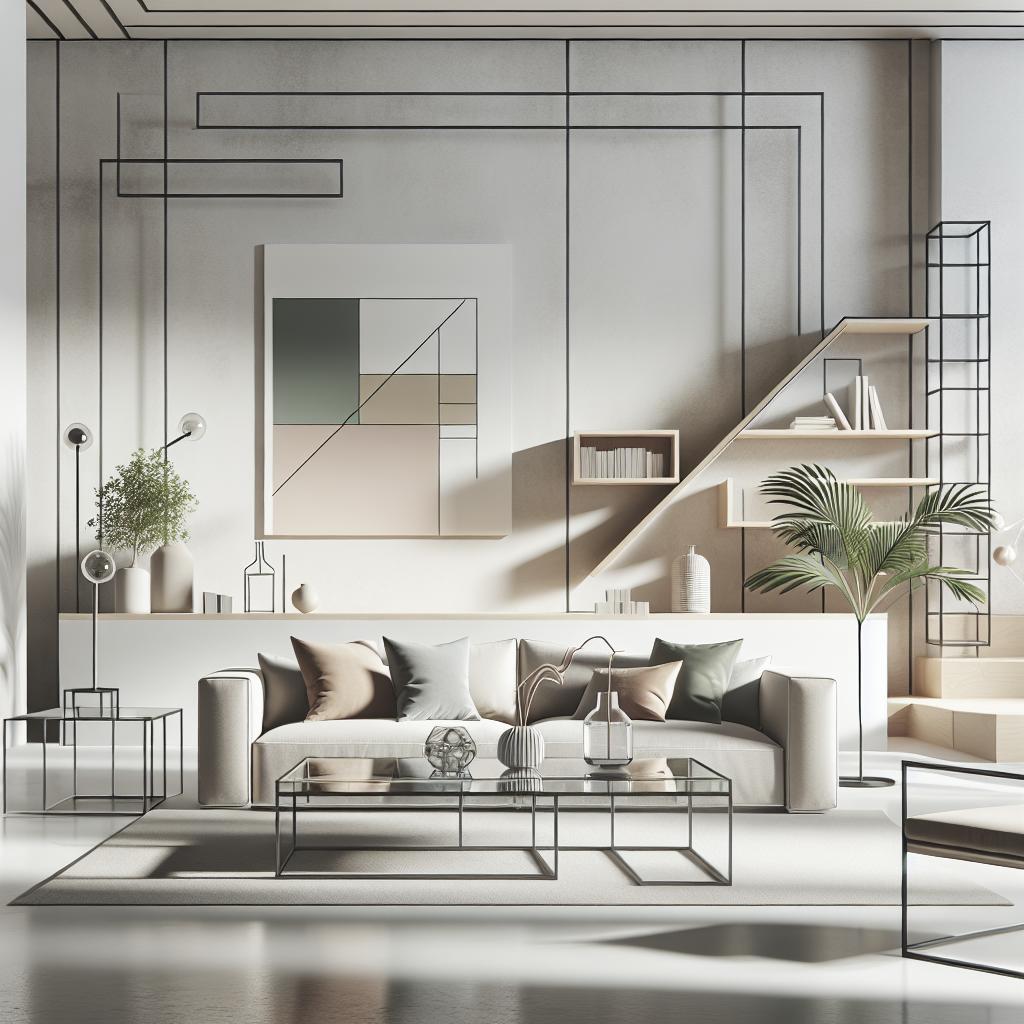
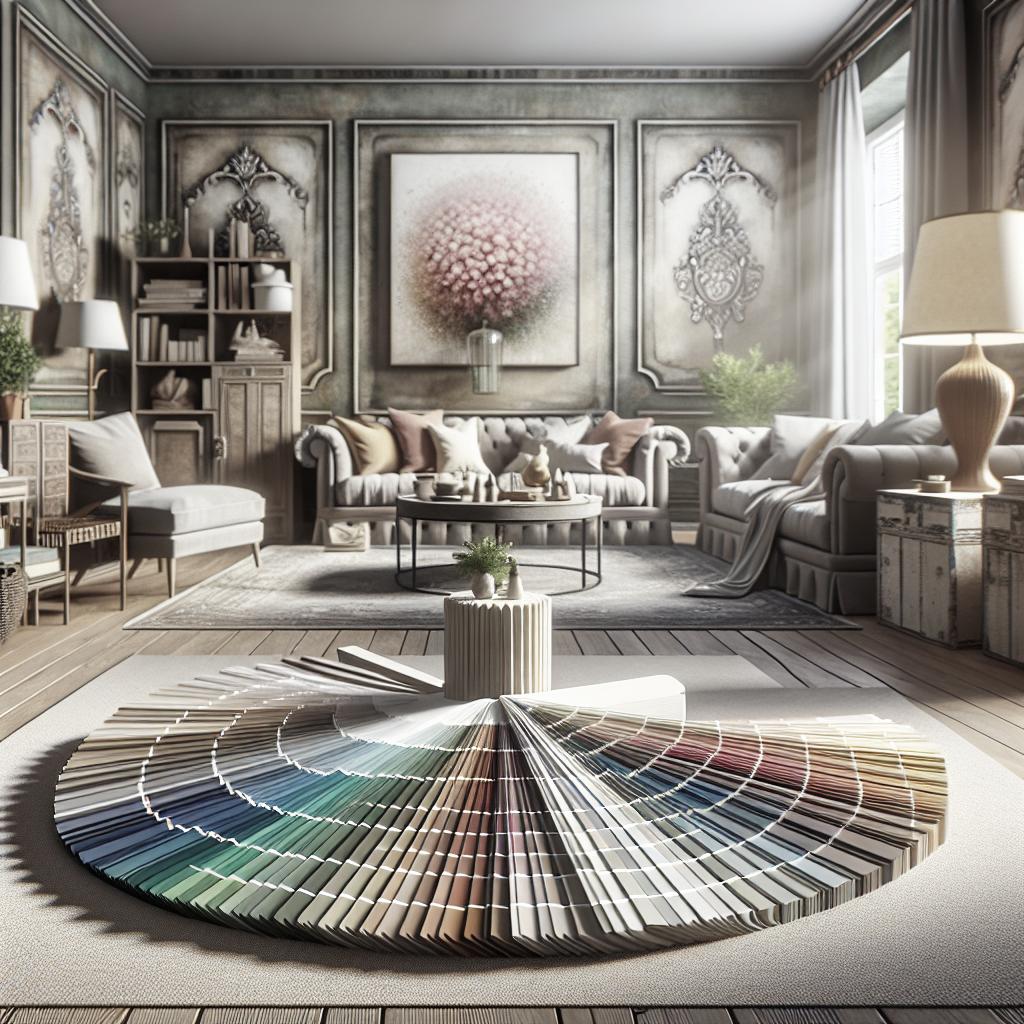
Interior design is a fascinating reflection of human culture and needs, constantly evolving as society and technology advance. Through this blog post, we will explore the world of interior design, starting with defining what this art form entails. From historical beginnings to its evolution, we’ll discuss its significance in enhancing both living and working spaces. We’ll illuminate recent innovations shaping the industry, highlighting how functionality and beauty intertwine to elevate our lifestyles. Furthermore, we’ll delve into distinct themes like the embrace of rustic aesthetics in modern interiors and the trend of efficient energy use. Turning our gaze towards the future, we’ll investigate emerging trends poised to redefine design spaces. By the end of this exploration, you’ll have an enriched perspective on how interior design not only fashions our spaces but also enhances our everyday experiences and well-being. ## What is Interior Designing? Interior design encompasses the art and science of enhancing the interiors of a space to achieve a healthier and more aesthetically pleasing environment for the people using the space. It involves a blend of creativity, technical knowledge, and practical skills to create living or working spaces that effectively meet clients’ needs while reflecting their personality and lifestyle. Interior designers work with elements such as color schemes, furniture arrangement, lighting, textures, and spatial arrangements to create harmonious spaces. This discipline also involves careful planning and detailed implementation, often in collaboration with architects, builders, and clients. Interior designers must also be skilled at balancing aesthetics with functionality, ensuring that spaces are as practical as they are beautiful. Beyond aesthetics, modern interior design considers factors such as sustainability, cost-effectiveness, and cultural sensitivities, making it a comprehensive approach to making spaces enjoyable and efficient. ## History and Evolution of Interior Design The roots of interior design can be traced back to ancient civilizations where the first signs of decorative structures were found. Romans and Egyptians were known for their grand architecture and intricate wall paintings and decor, emphasizing status and cultural identity. As time progressed through the Middle Ages and Renaissance, interior decoration further developed with more refined techniques and a focus on grandeur, religious influences, and sophistication. During the Industrial Revolution, mass production of furnishings and new materials offered more people access to design elements previously reserved for the wealthy, democratizing the practice. The 20th century saw modernism, which introduced function-over-form principles, influencing minimalist designs. Postmodernism brought a return to complexity and personalization. Today, the evolution continues with a fusion between digital technology, environmental considerations, and a variety of styles that cater to diverse tastes and functional needs. ## Importance of Interior Designing Interior design plays a critical role in our daily lives and significantly impacts how we feel within a space. Well-executed interior design won’t just improve aesthetics; it creates an oasis that elevates mood, boosts productivity, and can even enhance mental health. For example, carefully curated public spaces can foster community interaction, while a thoughtfully designed office can enhance creativity and efficiency among workers. Furthermore, good interior design accommodates practical needs by achieving balance and harmony within the space. It involves intuitive layouts that promote comfort and usability while addressing practical aspects like storage, accessibility, and acoustics. Whether it’s optimizing small urban apartments or creating lavish hotel interiors, designers use their talents to make functional living and workspaces that improve quality of life, responding to contemporary challenges such as sustainability and evolving lifestyle needs. ## Recent Innovations in Interior Designing In recent years, technological advancements have substantially transformed the approaches and tools designers use. Virtual reality (VR) and augmented reality (AR) are game-changers, allowing clients to visualize spaces with unpreceded precision before they are physically built. This drastically enhances client engagement and reduces trial-and-error in design processes. Additionally, artificial intelligence (AI) tools help designers create personalized environments by analyzing user preferences and delivering design solutions optimized for individual needs. 3D printing has opened new dimensions in custom furniture and decor, making it possible to produce bespoke items quickly and cost-effectively. Meanwhile, sustainable design has become an imperative, with innovations focused on eco-friendly materials, smart home technology, and energy efficiency making modern homes not only attractive but environmentally responsible. These innovations are all pivotal in meeting the market’s growing demand for eco-conscious and versatile interior solutions. ## Space and Operation: Small Gestures for a Better Life In our fast-paced, urban-centered world, the efficient use of space has become an essential element of interior design. Designers now focus on maximizing every square inch, using smart storage solutions and multifunctional furniture to make compact spaces feel roomier. This trend responds to increased urban density and skyrocketing property prices, enabling a better quality of life even in limited spaces. Creative space usage is beneficial not only in apartments but also in commercial spaces. Offices require adaptable solutions that accommodate diverse working styles, boosting productivity while promoting wellbeing. Movable partitions, standing desks, and modular meeting areas allow for flexible configurations, adapting to the changing needs of teams and individuals. Through thoughtful design, spaces can support a dynamic lifestyle without losing charm or efficiency. ## Space and Aesthetics: The Modernized Return of Rusticity Despite the pull toward minimalistic and contemporary aesthetics, rustic design elements are making a significant comeback in modern interiors. The use of natural materials like wood, stone, and clay brings warmth and earthiness to spaces, creating a comforting, inviting ambiance. This sensibility aligns with an increased desire for sustainable and eco-friendly lifestyles, connecting people with nature through design elements. Incorporating rustic aesthetics with modern functionality involves balancing traditional elements with contemporary furniture and clean lines. This hybrid approach allows designers to create spaces that offer the warmth and coziness of rustic vibes while ensuring that they meet modern standards of efficiency and style. This trend speaks to design’s power to evolve continuously, revisiting and revising past influences to remain relevant and meaningful. ## Space and Energy: Powering Everyday Life Efficiently The importance of energy efficiency in interior design cannot be understated, as rising energy costs and environmental concerns underscore the need for sustainable living solutions. Modern design incorporates energy-efficient lighting, thermal insulation, solar panels, and smart home technologies that allow residents to monitor and optimize energy consumption. These changes help in reducing carbon footprints while ensuring comfort and functionality. Interior designers are also integrating energy efficiency into aesthetics with the use of energy-saving appliances and innovative materials that maintain the visual appeal of spaces. Low-energy lighting solutions and window placements are thoughtfully considered to exploit natural light, reducing the dependency on electric lights. This approach modernizes design techniques, ensuring that sustainability harmonizes with beauty and practicality in everyday environments. ## Trends for the Future in Interior Designing – What is the Future of Interior Design? The future of interior design lies in a seamless blend of technology, sustainability, and personalized experiences. As digital innovations continue to advance, smart homes will become the norm, offering interconnected devices that enhance comfort and convenience. These technological integrations will allow for customizable environments reacting to inhabitants’ moods and changes throughout the day. Sustainability remains central to future trends, with a focus on renewable materials and eco-friendly solutions. Biophilic design will continue growing, with more natural elements incorporated within indoor environments. Additionally, as our lifestyles become increasingly individualized, design will strive to be more personalized, reflecting personal aesthetics and functional needs, while maintaining flexibility to adapt space usage as life demands shift. ## Next Steps The interior design field is poised for exciting transformations, driven by technological innovation, sustainability, and evolving customer expectations. Its rich history continues to inspire contemporary solutions that improve our living conditions and well-being. Whether through small pragmatic gestures or grand aesthetic innovations, interior design will keep shaping our experience of space. Here’s a summary of the themes covered:
| Section | Content Summary |
|---|---|
| What is Interior Designing? | Defines interior design as a blend of creativity, technical knowledge, and practical skills, balancing aesthetics with functionality. |
| History and Evolution of Interior Design | Looks at the historical roots and evolution from ancient to modern times, highlighting major influences and transitions. |
| Importance of Interior Designing | Discusses interior design’s role in improving aesthetics, mood, productivity, and quality of life through harmonious and functional spaces. |
| Recent Innovations in Interior Designing | Details technological advances like VR, AI, and sustainable design solutions that redefine the industry. |
| Space and Operation: Small Gestures for a Better Life | Highlights the importance of maximizing space, especially in urban environments, through adaptable designs and multifunctional furniture. |
| Space and Aesthetics: The Modernized Return of Rusticity | Explores the trend of rustic aesthetics paired with modern functionality to achieve warmth and sustainability. |
| Space and Energy: Powering Everyday Life Efficiently | Emphasizes energy efficiency through sustainable materials, energy-saving technologies, and smart home integrations. |
| Trends for the Future in Interior Designing | Projects future trends focusing on technology, sustainability, and personalized design solutions. |