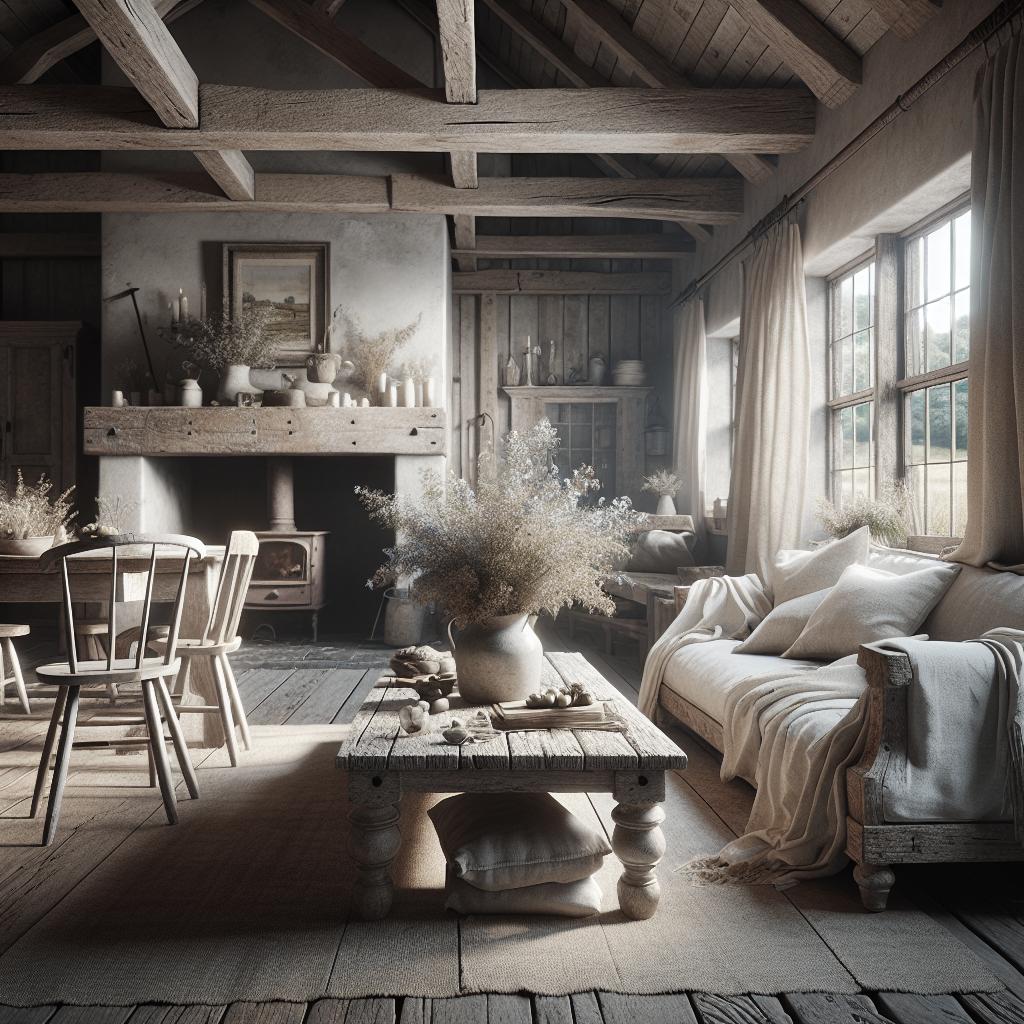
Farmhouse interior design has been gaining popularity as homeowners seek to create a warm, inviting, and relaxed living space. This style is characterized by its simplicity, function, and charm, drawing inspiration from the pastoral life. In this article, we explore the essence of farmhouse style, delving into its rich history and the unique elements that define it. From the rustic yet chic decor to the vintage flair, you’ll discover design ideas and examples that can help transform your space. Moreover, we’ll provide practical tips on how to achieve this cherished style in your own home, blending traditional aesthetics with contemporary comforts. Embrace the beauty of farmhouse style as we take you through this exploration of its timeless appeal, highlighting its practicality and unpretentious elegance that have made it a staple in modern interior design. Equip yourself with ideas and insights to bring this distinctive style to life and infuse your home with warmth and character. ## What is Farmhouse Style? Farmhouse style is a timeless interior design approach that emphasizes comfort, simplicity, and a down-to-earth mentality. It’s inspired by the traditional, rural farmhouse lifestyle, focusing on functionality and aesthetics. This style fuses rustic charm with modern elements, making it a versatile choice for both country and urban environments. The key to achieving farmhouse style is creating a space that feels lived-in, with a harmonious mix of old and new. This design style is characterized by its use of natural materials, such as wood, stone, and metal, combined with a neutral color palette and vintage accessories. Farmhouse style is rooted in practicality, making it a popular choice for those who value comfort, durability, and timeless appeal. The goal is to create a welcoming space where every component tells a story and exudes warmth. ## History of Farmhouse Style Homes The origins of farmhouse style can be traced back to the humble farmhouses built in rural areas of Europe during the 16th and 17th centuries. These homes were constructed with locally sourced materials and designed for practicality, featuring large, open spaces to accommodate familial and agricultural activities. The simplicity of the design was a reflection of the straightforward lifestyle led by the inhabitants, with no ornate details or unnecessary embellishments. As European settlers migrated to North America, they brought this functional and effective design style with them, adapting it to suit their new environments. Over time, the style evolved, incorporating elements of American craftsmanship and the innovations of the different regions where it was adopted. The result was a varied, yet cohesive aesthetic that continues to resonate with homeowners today. In recent years, the resurgence of interest in farmhouse style has been fueled by a desire for simplicity and the nostalgic charm of country living. This resurgence is also a response to the growing trend of sustainability and the appreciation for hand-crafted, vintage items, making the farmhouse style both eco-friendly and stylish. ## Defining Characteristics and Elements of Farmhouse Style Farmhouse interior design is distinguished by its focus on natural materials and textures. Wood is a dominant feature, from exposed beams to wide-plank floors, offering warmth and an organic appeal. Additionally, metal accents, such as iron frames and vintage fixtures, bring a touch of industrial flair that complements the rustic aspects of the style. The color palette in farmhouse style is typically neutral, with whites, creams, and earth tones creating a calm and serene backdrop. Accents of muted blues, greens, and soft pastels add a hint of color without overwhelming the senses. In terms of decor, farmhouse interiors often incorporate vintage furniture, distressed finishes, and handcrafted items, all contributing to the style’s welcoming and cozy atmosphere. One of the most important elements of farmhouse style is the emphasis on practicality and function. Spaces are designed to be useful as well as beautiful, with open floor plans that encourage family interaction and flow. This utilitarian approach ensures that the home remains comfortable and livable, reflecting the lifestyle of its occupants. ## Design Ideas and Examples of Farmhouse Style Homes and Decor Those looking to infuse their home with farmhouse style can draw inspiration from various design ideas and iconic elements. For instance, integrating a large farmhouse sink and shaker-style cabinetry can instantly bring a rustic charm to your kitchen. Open shelving made from reclaimed wood not only adds storage but also doubles as a space to showcase vintage dishware or mason jars filled with spices. In the living room, consider incorporating a chunky wooden coffee table paired with a plush, oversized couch adorned with linen pillows. A statement fireplace with a stone or brick surround serves as a perfect focal point that anchors the space, while a reclaimed barn door can add both function and a unique visual appeal. For bedrooms and bathrooms, sticking to a neutral color palette allows for a peaceful retreat. Farmhouse bedding, featuring muted colors or soft floral patterns, enhances comfort and style. In the bathroom, vintage-inspired fixtures along with materials like shiplap walls enhance the rustic essence, creating a cohesive farmhouse look throughout the home. ## How to Achieve Farmhouse Style To achieve the farmhouse style in your home, start by focusing on the foundation. Opt for hardwood floors, preferably in wide planks, that can be left natural or stained in rustic hues. Incorporate texture through elements like shiplap walls, beadboard, or wainscoting, which reflects the vintage aesthetic associated with this style. Furnish your space with a mix of old and new items, with an emphasis on reclaimed or vintage furniture. Choose pieces that are comfortable and sturdy, avoiding overly ornate or delicate designs. Accessorize with decor that tells a story, such as family heirlooms, antiques, or handcrafted items that add character and uniqueness to the room. Lighting plays a crucial role in achieving the farmhouse aesthetic. Opt for fixtures that blend simplicity with charm, like wrought iron chandeliers or fixtures with vintage bulbs. Incorporate natural light whenever possible, using sheer or light-filtering window treatments to maintain an airy, open feel. Finally, personalize your farmhouse design with botanical elements like potted plants or fresh garden flowers, which bring life and color to your space. The addition of these natural components complements the more rugged elements of farmhouse style, creating a harmonious and inviting environment. Summary of Main Points | Subheading | Key Points | |———————————————|——————————————————————————–| | What is Farmhouse Style? | Emphasizes simplicity, functionality, and charm; uses natural materials and a neutral palette. | | History of Farmhouse Style Homes | Originated in rural Europe; adapted in America; recent resurgence due to sustainability trends. | | Defining Characteristics and Elements | Focus on wood, metal accents, neutral colors, vintage furniture, and practicality. | | Design Ideas and Examples | Use of farmhouse sinks, reclaimed wood, oversized furniture, and vintage decor. | | How to Achieve Farmhouse Style | Incorporate hardwood floors, vintage furnishings, and natural light; personalize with plants. |