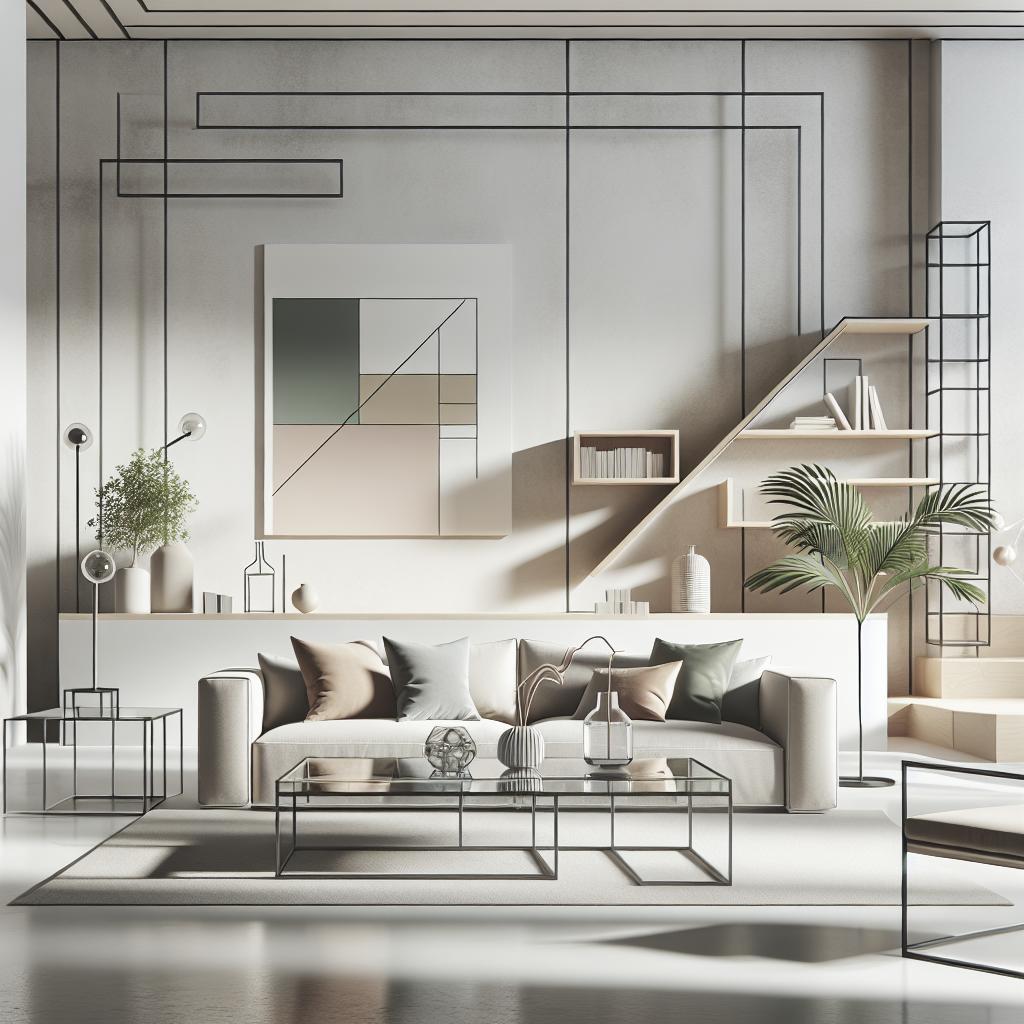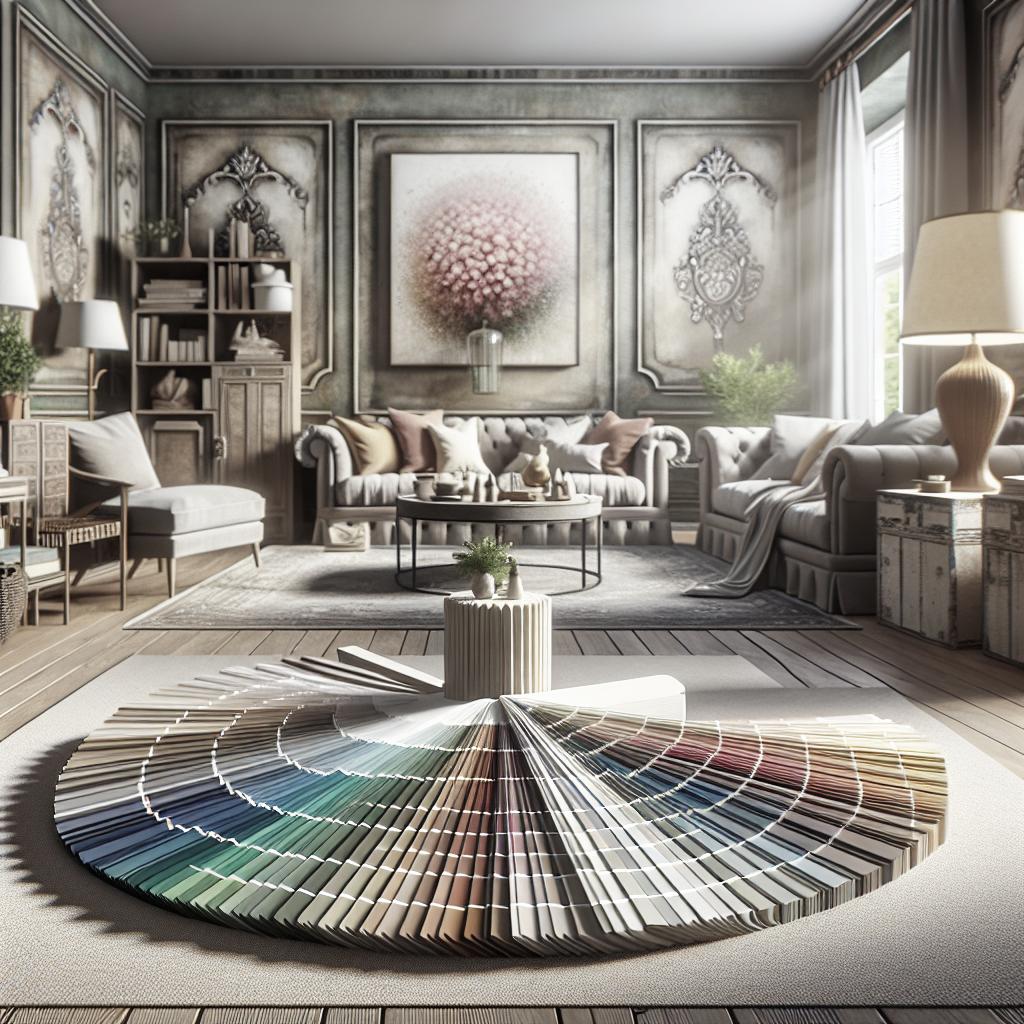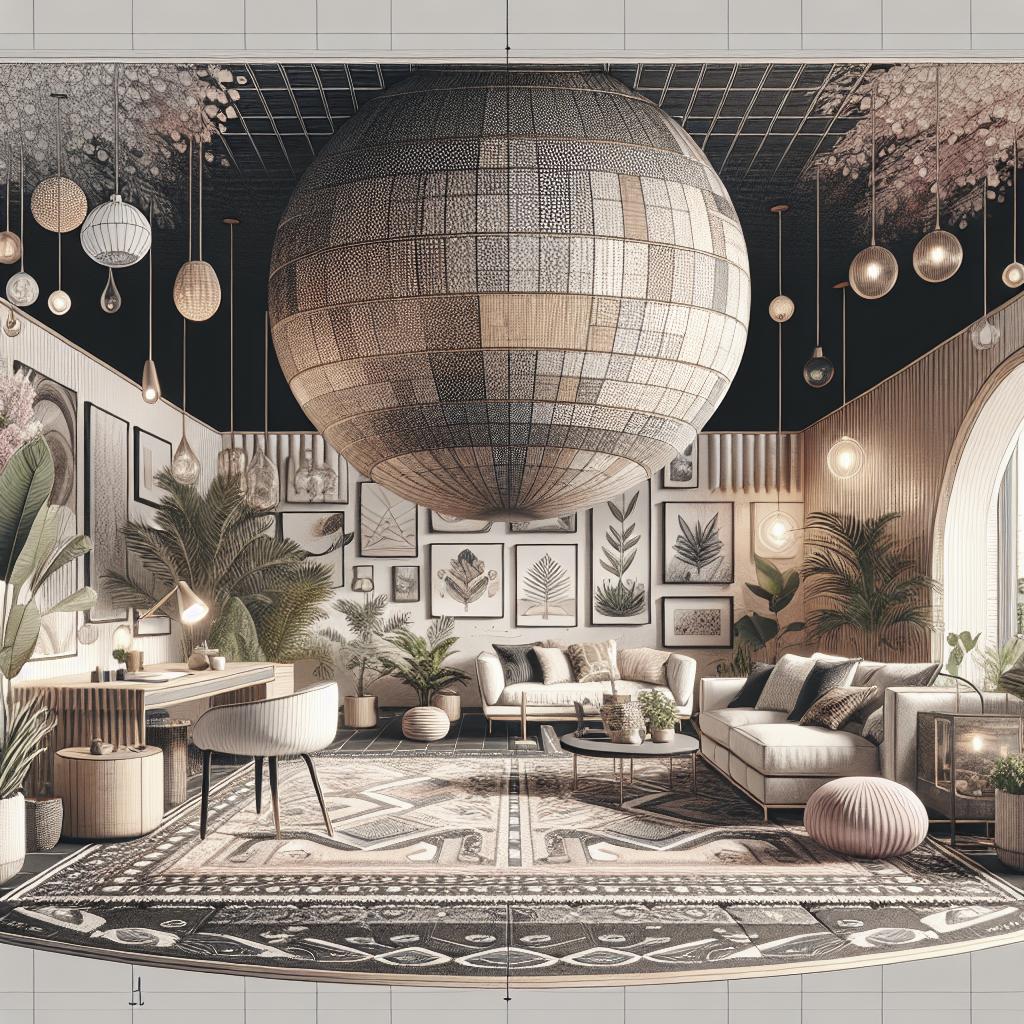
Creating an immersive interior experience is akin to crafting a multidimensional narrative within a physical space. This strategy goes beyond mere aesthetics; it’s about weaving together elements that invoke emotion and interaction, turning visitors not just into observers but participants. Whether aiming to evoke relaxation in a spa or excitement in a tech store, the intentional design of ambient experiences can significantly impact how a space is perceived and utilized. By understanding key principles such as storytelling, sensory engagement, and personalized interaction, those who craft interior experiences can create truly unparalleled environments. This guide will explore these principles through developing a purpose-driven story, multi-sensory engagement, interactive technologies, and the power of collaboration with audiovisual experts to transform generic spaces into unforgettable experiences. ## Share When embarking on creating an immersive interior experience, the first step is to gather and share ideas with stakeholders. Sharing ensures that everyone involved has a clear vision of the project’s goals and desired outcomes. Organize brainstorming sessions or workshops with designers, architects, and key decision-makers and encourage open dialogue to explore innovative concepts. Sharing ideas early in the process fosters creativity and uncovers unique opportunities that might otherwise remain hidden. Sharing involves listening and adapting, as collaboration is rarely linear. Hearing diverse perspectives can spark new ideas and help identify potential challenges before they become obstacles. Documenting these shared insights collectively is essential for ensuring that everyone remains aligned throughout the process. This collaborative approach lays the groundwork for a project fulfilling the stakeholders’ initial aspirations and objectives. ## Define Your Purpose A successful immersive interior begins with a well-defined purpose. What emotions or experiences do you want to evoke in the space’s occupants, and how do these align with the project’s functionality? Clearly identifying these goals early on serves as a compass for design decisions and helps maintain focus throughout the creative process. The purpose acts as the guiding principle behind every design choice, from colors and materials to lighting and layout. Consider what type of experience you want to provide. Is it educational, relaxing, stimulating, or something entirely different? Defining the purpose not only influences the immediate design but shapes the long-term interaction visitors have with the space. Having a clear objective helps ensure that every element contributes to fulfilling this vision, creating a coherent and impactful experience. ## Tell a Story Storytelling is a powerful tool in creating immersive spaces. It enables you to infuse the environment with narrative elements that engage visitors on an emotional level. Begin by crafting a core story or theme corresponding to the interior’s purpose. This story serves as a framework for the design process, guiding decisions about décor, materials, and layout to align with the emotional and practical goals of the space. The story can be told through various elements such as visual art, spatial arrangement, and interactive displays. A coherent narrative gives the space depth and meaning, connecting the audience to a larger context and enhancing the overall experience. By integrating storytelling into design, you create an immersive environment that captures visitors’ imaginations and leaves a lasting impression. ## Engage the Senses To create a truly immersive experience, it is crucial to engage multiple senses. While sight is often at the forefront of design, incorporating sound, smell, touch, and even taste can create a more holistic and engaging environment. For instance, curated background music or ambient sounds can enhance the desired mood, while pleasant scents can reinforce the thematic elements and memory retention. Consider texture and temperature when thinking tactilely. Different materials have distinct feels, which can greatly influence a visitor’s comfort level and engagement. When these sensory elements are carefully intertwined, they create a rich tapestry of experiences that envelop users in the design, making the space feel alive and inviting. ## Integrate Technology with the Story and Space Technology has become an indispensable part of designing immersive interior experiences. Seamlessly integrated technology can help bring stories to life, providing interactive and dynamic elements that traditional methods cannot match. Whether through smart lighting, augmented reality, or digital displays, technology offers endless possibilities for enhancing the narrative. Implementing technology means more than just adding screens; it’s about ensuring that these elements are congruent with the space’s story and purpose. For example, smart lighting systems can adjust the intensity and color temperature based on the time of day or the number of occupants, thereby creating a dynamic and responsive environment. As technology continues to evolve, staying updated with trends and tools will allow you to craft spaces that remain relevant and captivating. ## Personalize the Experience Personalization deepens the immersive quality of a space by tailoring experiences to individual visitors. Incorporate elements that allow for personal interaction, such as movable furniture, customizable light settings, or digital interfaces that adapt to user input. Personal touches encourage deeper engagement and create a sense of ownership and connection to the space. Personalization also means considering the demographic and cultural context of the space’s users. By understanding who your audience is and what they value, you can incorporate design elements that resonate on a personal level. This empathetic design approach ensures the experience is memorable and meaningful to each visitor, increasing the likelihood of repeat interactions. ## Incorporate Visitor Interaction Interaction is at the heart of immersive design. Encourage visitors to actively engage with the environment through elements that provoke curiosity and invite participation. This can be achieved through interactive installations, hands-on exhibits, or digital tools that require input and response. Designing for interaction keeps visitors engaged longer and fosters a sense of exploration and discovery. Interactive elements can range from simple touchscreens to complex virtual reality experiences. The key is ensuring these interactions fit seamlessly into the space’s story and purpose, enhancing rather than detracting from the overall experience. By allowing visitors to influence their environment, you create a dynamic space where each visit can offer a new perspective or insight. ## Collaborate with Audiovisual Designers and Integrators Early To bring an immersive interior experience to life, collaboration with audiovisual designers and integrators should occur early in the process. These professionals provide the technical expertise needed to seamlessly merge sound, video, and digital elements into the space. By incorporating their insights from the outset, you can avoid costly revisions and ensure a smoother implementation of technology. Audiovisual experts help identify the most suitable technologies and design strategies, ensuring that these elements are effectively harmonized with the overall vision. Their involvement in the early stages helps craft an immersive experience that is not only visually stunning but also technologically sound and sustainable over time. This teamwork approach leads to a successful project that meets aesthetic and functional goals. — Final thoughts below provide an overview of the steps and elements involved in crafting an immersive interior experience:
| Step | Description |
|---|---|
| Share | Foster collaborative idea sharing and brainstorming sessions to align project vision among stakeholders. |
| Define Your Purpose | Identify the core emotions or experiences the space should evoke to guide design decisions. |
| Tell a Story | Infuse storytelling elements to connect visitors emotionally with the environment. |
| Engage the Senses | Incorporate multisensory elements like sound, smell, and touch for a comprehensive experience. |
| Integrate Technology with the Story and Space | Use technology thoughtfully to enhance storytelling and interactivity. |
| Personalize the Experience | Implement customizable features to tailor the space to visitor preferences. |
| Incorporate Visitor Interaction | Design for engagement through interactive and participatory elements that encourage exploration. |
| Collaborate with Audiovisual Designers and Integrators Early | Engage technical experts early to ensure seamless integration and optimization of high-tech elements. |