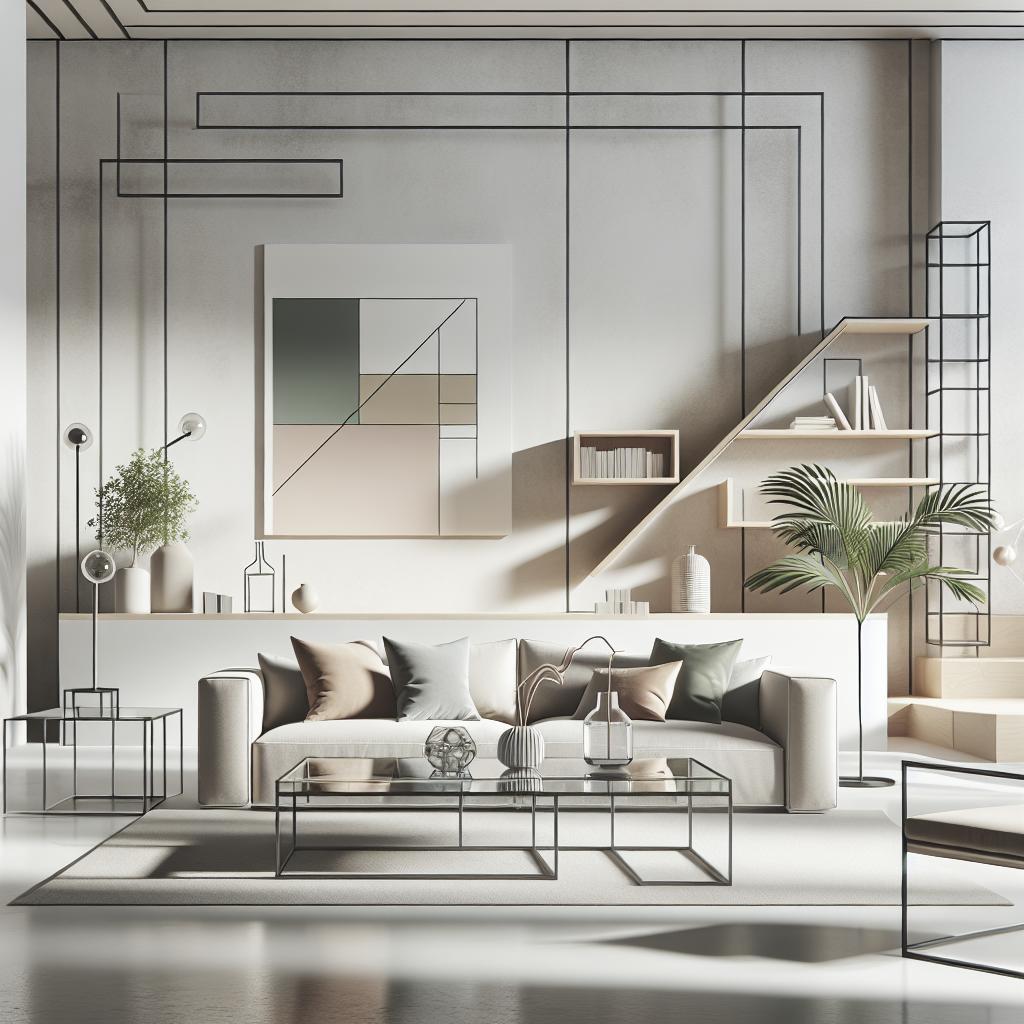
### The Impact of High Ceilings in Interiors The concept of ceiling height in interiors goes beyond mere architectural design. High ceilings can redefine the ambiance, functionality, and aesthetic of any space, be it residential or commercial. They have the power to transform an ordinary room into an extraordinary setting by enhancing the perception of space, improving light distribution, and influencing design decisions. This article explores the multifaceted impact of high ceilings, diving into their importance in space planning, how they merge with design elements, and the influence they wield in both residential and commercial settings. Furthermore, we’ll delve into the role of commercial interior design companies and the design and build process, offering insights to those considering renovations or new builds with elevated ceilings. ### Understanding the Importance of Ceiling Height Ceiling height plays a crucial role in determining the overall impression of a room. High ceilings can make spaces feel larger and more open, which is especially beneficial in smaller or more confined areas. This sense of openness can create a welcoming and airy environment, enhancing the comfort and appeal of a space. In historical architecture, high ceilings are often associated with grandeur and elegance, reflecting their timeless appeal. Moreover, high ceilings can significantly improve the acoustics of a room. By allowing sound waves to travel greater distances before they bounce back, high ceilings can create more refined acoustics, which is particularly advantageous in spaces like auditoriums, living rooms, and other environments where sound quality is paramount. The narrative of high ceilings contributing to improved ventilation and natural light penetration also holds true, making them a desirable feature in both homes and workplaces. ### Ceiling Height and Space Planning When planning a space, one of the key aspects that designers consider is the height of the ceiling. Spacious vertical dimensions can allow for creative freedom in arranging furniture and other decor elements. For instance, high ceilings can accommodate taller furniture pieces or intricate light fixtures that would overwhelm a room with standard ceiling height. This added dimension enhances the depth and character of a design. In commercial spaces, high ceilings contribute to a sense of luxury and professionalism. They can enhance a brand’s image by reflecting a commitment to providing a quality environment. Retail spaces, for instance, benefit from high ceilings by providing a more open and inviting atmosphere, encouraging customers to explore and engage more deeply with the products on display. Additionally, high ceilings in multifunctional spaces offer the flexibility to incorporate mezzanines or loft areas, thereby increasing usable square footage without expanding the building’s footprint. This aspect of space planning is particularly advantageous in urban settings where real estate comes at a premium. ### Ceiling Height and Design Elements High ceilings encourage the integration of various design elements that might not be feasible in rooms with lower ceilings. Lighting is one area profoundly affected by ceiling height. Tall ceilings can support striking chandeliers or pendant lights that serve as focal points and enhance the overall aesthetic of the space. Additionally, high ceilings cater to dynamic wall structures, allowing for large-scale art pieces or extensive bookcases that accentuate the room’s verticality. When it comes to color schemes and textures, high ceilings offer a playground for creativity. They allow for the use of darker or bolder colors that might feel oppressive in low-ceilinged rooms, providing a unique backdrop for sophisticated interior compositions. Furthermore, varied materials and textures like beams, architectural moldings, or ceiling panels can be employed more effectively, offering layers of interest and dimension. Incorporating elements such as skylights into high ceilings can introduce abundant natural light, crafting an environment that feels both expansive and uplifting. Skylights and clerestory windows capitalize on high ceilings by maximizing daylight penetration, contributing to both energy efficiency and occupant mood. ### The Role of a Commercial Interior Design Company Commercial interior design companies play a pivotal role in accentuating the benefits of high ceilings. They possess the vision and expertise to turn the potential of vertical space into reality through creative and strategic design. These companies understand the importance of aligning ceiling height with the broader objectives of interior spaces, such as branding, functionality, and user experience. To maximize the impact of high ceilings, a commercial interior design company will often work closely with architects and builders. They ensure that structural integrity is maintained while adding aesthetic features like suspended ceilings or custom lighting fixtures that complement the space’s purpose. Their knowledge in navigating building codes and regulations also ensures that all enhancements are compliant and feasible. Moreover, such companies bring innovative solutions to leverage high ceilings effectively in retail, office, and hospitality industries. By tailoring their designs to suit each unique context, they help create environments that not only meet aesthetic desires but also operational needs, enhancing both appeal and functionality. ### The Design and Build Process Incorporating high ceilings into a design and build project requires careful planning and execution. The process often begins with a thorough analysis of the existing space, considering the structural elements that define the ceiling’s height. Whether working with existing frameworks or starting from scratch, designers and builders must consider how changes to ceiling height will impact the overall architecture. During the build phase, attention to detail is crucial. Elements such as insulation and soundproofing materials need careful selection to ensure that the benefits of high ceilings—like improved acoustics and energy efficiency—are fully realized. This stage also involves selecting appropriate materials and construction techniques that align with the intended design vision. Communication between the design team, contractors, and clients is key to ensuring that the project remains on track and that the end result matches the original concept. With high ceilings, there are myriad possibilities for custom detailing and features, from exposed beams to intricate ceiling murals. By maintaining open dialogue, adjustments can be made as the project unfolds, ensuring that all elements harmonize with the overall aesthetic and operational goals. ### Next Steps To encapsulate the discussion, here is an HTML table summarizing the key points of impact that high ceilings have on interiors: “`html
| Aspect | Impact of High Ceilings |
|---|---|
| Importance | Create a sense of space, improve acoustics, enhance light and ventilation |
| Space Planning | Allow for diverse furnishing and architecture, provide flexibility |
| Design Elements | Facilitate bold lighting and decor choices, use of varied textures and materials |
| Commercial Design | Enhance brand image, ensure compliance and functionality |
| Build Process | Involves analysis, execution, and communication for cohesion and compliance |
“` High ceilings continue to be a desirable feature in interior design, offering both aesthetic and functional benefits. Whether it’s creating a sense of grandeur or enhancing practical aspects like ventilation and lighting, the advantages are vast. As designers, builders, and property owners become more attuned to these benefits, high ceilings will undoubtedly continue to play a significant role in shaping engaging and effective interior spaces.