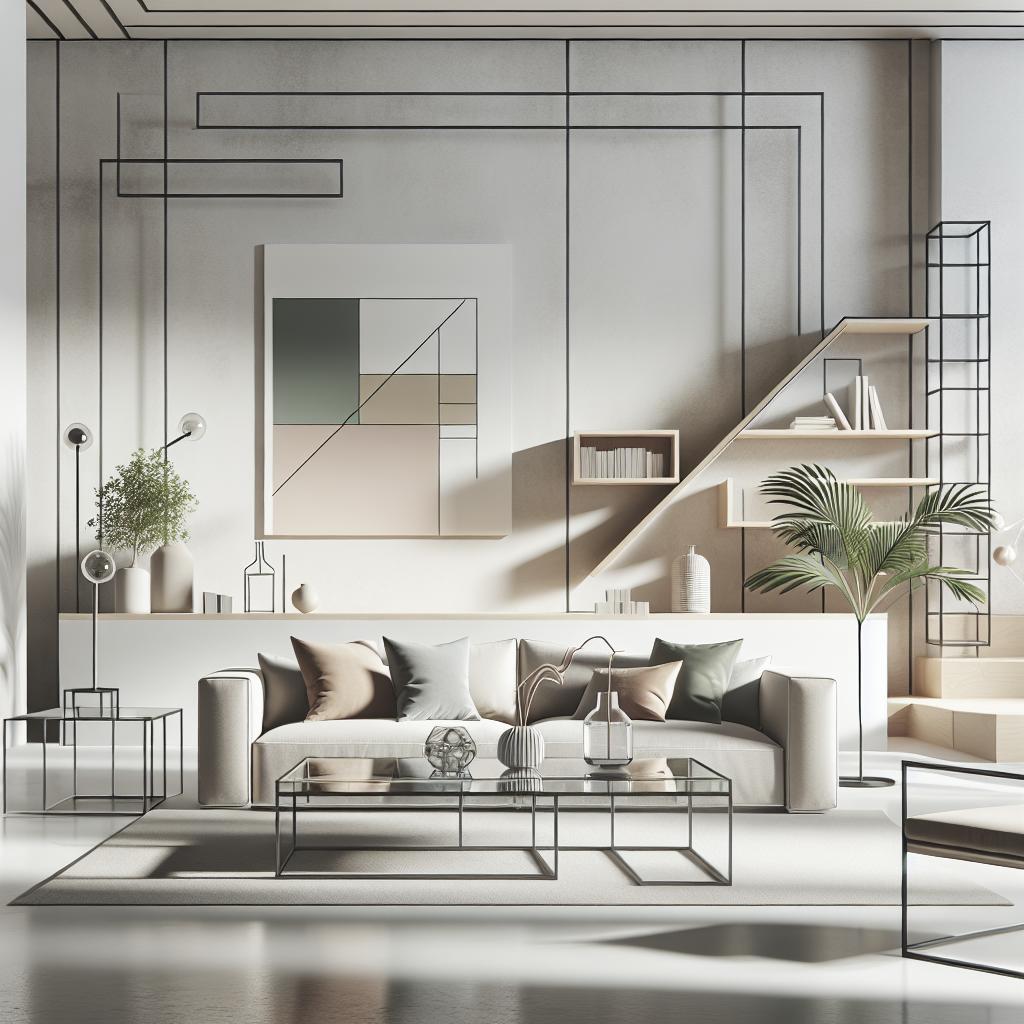
Balancing the essence of historical architecture with the necessities of modern amenities is both an art and a challenge. As cities evolve and modern demands surge, the preservation of historic integrity becomes crucial. This blog post delves deep into the confluence of old and new architectural designs while emphasizing respect for architectural heritage and the inclusion of modern comforts. We’ll embark on a journey to understand historic integrity, explore how contemporary comforts have evolved, and look at real-world examples of successful integrations. Moreover, we’ll examine the significance of laws and regulations, the role of conservationists, and the burgeoning trends towards refurbishing older structures for today’s needs. Through strategies, case studies, and future projections, this article provides a comprehensive view of maintaining a harmonious balance, ensuring that architecture remains both charmingly reminiscent of the past and comfortably modern. ## The Art of Balancing Modern Comforts and Historic Integrity Today’s architects and designers are tasked with not just creating visually appealing spaces but also maintaining a nuanced balance between the past and the present. Modern comforts are more than just aesthetic enhancements; they are essential upgrades that cater to the way we live in contemporary times. Conversely, historic integrity connects us to the past, exuding charm, history, and stories that have stood the test of time. This balance is crucial in safeguarding cultural heritage while making structures livable and functional. Striking this equilibrium allows communities to enjoy the benefits of modern technologies and conveniences without sacrificing the narrative of their architectural history. The design challenge lies in merging these elements so that modern interventions do not overshadow the rich tapestry of history but instead harmonize with it. ## Understanding Historic Integrity ### Historic Integrity Importance Historic integrity refers to the preservation of a building’s original materials, form, and configuration, representing its significance and the era when it was constructed. Maintaining this integrity is essential for conserving cultural heritage, as these structures are physical manifestations of history, providing insights into past architectural styles, urban planning, and societal values. Preserving historic integrity enables future generations to experience and learn about the historical context of a community. It’s a testament to craftsmanship, materials, and techniques that may no longer exist, hence offering a tactile connection to the past. Moreover, maintaining historic structures often serves as a means of community revitalization, bringing economic benefits and cultural pride. ### Successful Examples of the Preservation of Historic Integrity Globally, numerous projects serve as benchmarks for seamlessly blending historic integrity with modern upgrades. The Tate Modern in London, originally Bankside Power Station, retains its industrial character while housing contemporary art. Its adaptive reuse epitomizes how modern interventions can respect and elevate historic aesthetics. Another exemplary project is the adaptive reuse of the Ghirardelli Square in San Francisco, once a chocolate, pasta, and mustard plant, now a bustling complex featuring restaurants, shops, and hotels. The redesign has preserved the structure’s distinctive brickwork and industrial elements while offering modern amenities, ensuring the site remains relevant to contemporary users. ## The Evolution of Modern Comforts Modern comforts in architecture have significantly evolved, driven by advancements in technology, energy efficiency, and lifestyle changes. With the rise of smart homes, digital connectivity, and eco-friendly systems, modern design has ushered in an era where convenience, sustainability, and enhanced functionality are paramount. These innovations have led to the integration of sophisticated heating, cooling, and lighting systems; advanced insulation materials; and digital infrastructure, significantly improving the energy performance and comfort levels of buildings. The demand for spaces that cater to health and well-being is also at an all-time high, with a focus on natural light, air quality, and ergonomic design becoming essential considerations. The challenge arises when integrating these elements within historic structures without disrupting their intrinsic value. Architects and developers must tread carefully, ensuring that modernization complements rather than conflicts with the historical narratives embodied within these buildings. ## Balancing Historic Integrity with Modern Comforts ### Strategies to Achieve This Balance Several strategies can guide architects in marrying historic integrity with modern comforts. Adaptive reuse is a popular approach, where existing structures are repurposed for new functions while maintaining their historical significance. This strategy emphasizes sustainability and innovation, reducing the need for new construction. Moreover, employing sympathetic alterations—changes that respect and retain the original design—and using modern technologies that can be integrated discreetly, such as hidden HVAC systems and high-performance materials tailored to blend with existing structures, are other effective strategies. Collaborative efforts between architects, historians, and conservationists are critical in these endeavors, ensuring that both historical and contemporary needs are met. ### Case Studies The Selexyz Dominicanen in the Netherlands is a masterclass in blending the old with the new. This 13th-century monastery turned bookstore incorporates modern design elements like sleek metal and glass bookcases, making the architectural craftsmanship stand out while offering modern amenities. In the U.S., the revitalization of Chicago’s Old Post Office serves as a compelling case study. The 1921 building now features modern office spaces, retaining its Art Deco features while incorporating 21st-century technology and comfort, illustrating how historic preservation can coexist with contemporary usage. ### Key to Balancing Modern Comforts with Historic Integrity The intrinsic key to this balance is sensitivity and innovation. Architects must possess a deep understanding of historical contexts and modern advancements to craft designs that respect the past while embracing the future. This involves not only technical expertise but also an empathetic approach to storytelling, preserving the narratives and memories embedded within historic walls. Open dialogue among stakeholders—architects, developers, conservationists, and the community—is also essential. Each project should be seen as a collaborative endeavor, blending various perspectives to achieve a harmonious integration of past and present. ## The Role of Regulators and Conservationists ### Laws and Regulations Role Regulatory frameworks play a crucial role in ensuring historical structures are preserved effectively. Laws and guidelines like UNESCO World Heritage designations and local preservation ordinances provide a structured approach to maintaining heritage sites. These regulations often mandate thorough assessments before any modifications, ensuring that interventions do not undermine historical significance. Such legal frameworks guide developers in preserving the essence of historic sites while facilitating necessary modern adaptations. Compliance with these standards is vital, not just for legal approval but also for safeguarding cultural heritage, which in turn, boosts community identity and brand value. ### Conservationists and Modern Developers Conservationists bridge the gap between historical authenticity and modern development needs. Their insights help developers identify what aspects of a building should be retained and how new interventions can be executed without compromising historical value. They play an instrumental role in negotiations, encouraging sustainable practices that honor both preservation and innovation. In collaboration with architects and developers, conservationists ensure that restoration projects are feasible and respectful, often employing cutting-edge technologies like 3D scanning and modeling. This partnership fosters a blend of expertise, resulting in projects that are both historically respectful and commercially viable. ## Future Trends ### Refurbishing Older Structures for Contemporary Uses The trend of refurbishing older structures for modern uses is gaining momentum, driven by sustainability considerations and cultural factors. Adaptive reuse not only preserves historical assets but also reduces environmental impact by minimizing demolition waste and the resources required for new constructions. This trend reflects a broader shift towards valuing heritage while adapting it to current needs. From turning factories into residential lofts to converting historic theaters into coworking spaces, these transformations offer unique character and authenticity that new constructions often lack. ### Future Developments Future developments in architecture will likely see greater integration of smart technologies and green solutions within historical contexts. Innovations like augmented reality (AR) in architectural planning and advanced materials that mimic historical textures while offering modern benefits will enhance the balance of old and new. Furthermore, architects will increasingly prioritize sustainability, creating buildings that not only respect historical contexts but also contribute to global environmental goals. This evolving practice will involve interdisciplinary collaboration to produce spaces that are adaptive, resilient, and contextually sensitive. ### Challenges to Balancing Modern Comforts with Historic Integrity Despite the promising trends, several challenges persist. Financial constraints often limit the scope of preservation efforts, as modern renovations can be costly. There is also a risk of diluting the historical essence if modern interventions overshadow the original design. The balance requires conscientious planning and continual education of stakeholders about the significance of historical narratives. As urban environments evolve, architects and developers must approach projects with respect and creativity, ensuring that modernization efforts genuinely enhance and do not detract from historical integrity. ## Summary of Main Points Here’s a summary, presented in table form, encapsulating the discussion:
| Theme | Details |
|---|---|
| Balancing Old and New | Preserving historical value while integrating modern amenities |
| Historic Integrity | Significance of preservation and examples like Tate Modern |
| Modern Comforts | Technological advancements enhancing energy efficiency and comfort |
| Strategies and Case Studies | Adaptive reuse and sympathetic alterations; Selexyz Dominicanen and Chicago’s Old Post Office |
| Role of Regulators | Importance of legal frameworks and conservationist collaboration |
| Future Trends | Focus on sustainability and smart technology integration |
| Challenges | Financial constraints and risk of diminishing historical essence |
This overview encapsulates the delicate yet rewarding task of marrying history with modernity in architectural design, highlighting both the potential and the obstacles faced.