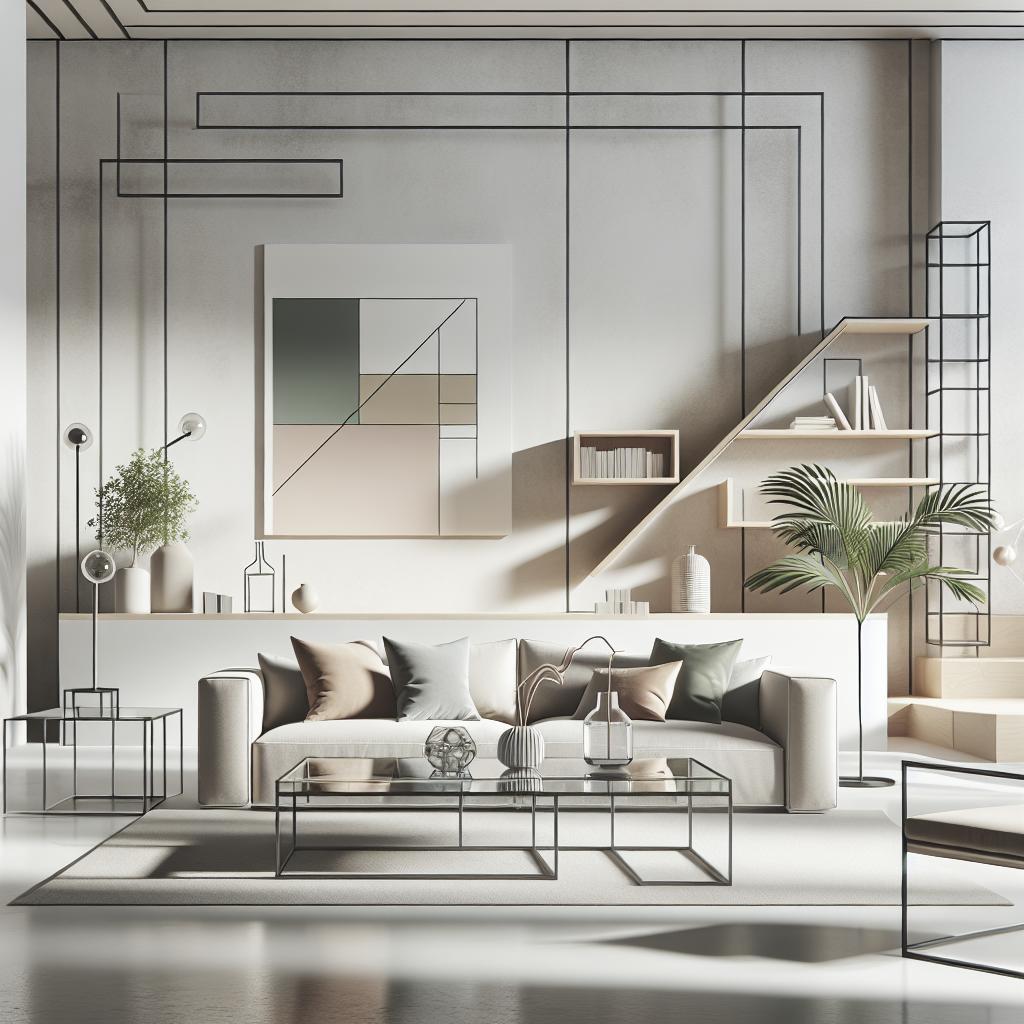
Understanding and Achieving Minimal Visual Clutter for a Tranquil Home Transforming your home into a serene sanctuary isn’t just a design choice—it’s a lifestyle change that begins with eliminating visual clutter. In today’s fast-paced world, where overstimulation is constant, a clutter-free home provides peace and positivity. But what exactly is visual clutter, and what causes it? Moreover, why is it crucial to minimize it, particularly at home? This comprehensive guide breaks down these questions and offers actionable insights. From identifying and understanding the root causes of visual clutter to exploring its psychological impacts—like increased stress and decreased productivity—this post delves into why reducing clutter is a vital step for personal well-being. We present 22 effective strategies to simplify your living space, making it functional and aesthetically pleasing. These tips will guide you in creating a harmonious home environment, allowing you to experience less stress and more creativity.
What is visual clutter?
Visual clutter refers to the disorder and chaos in a space that results from an excessive number of items competing for attention. It is characterized by a collection of things that may be neatly arranged or haphazardly placed but collectively produce a cluttered appearance. This can range from knick-knacks and furniture crowding each corner to walls adorned with an overwhelming number of decorations. Fundamentally, visual clutter is not just about the volume of items but how they interact with the space around them. Items that lack cohesion in color, size, or purpose often contribute to visual noise. In essence, it’s the disruption of peace within a room, which can often lead to sensory overload for the inhabitants. Recognizing visual clutter is the first step toward fostering a serene environment. It requires mindfulness in appreciating how elements within a space contribute to or detract from a cohesive aesthetic.
What causes visual clutter?
Several factors contribute to visual clutter, ranging from the emotional to the purely practical. One primary cause is sentimental attachment to items, which can make it difficult to let go of possessions that no longer serve a functional purpose. These bonds can foster an environment where unnecessary items linger long after they’ve lost their original significance. Moreover, a tendency to overdecorate is another common culprit, where the intention to personalize or beautify a space leads to overcrowding. This often results from a combination of impulse buys and failure to edit one’s space continuously, leading to a chaotic mix of decorations, colors, and textures that fail to cohesively harmonize. Lastly, inefficiency in storage solutions can exacerbate visual clutter. Without an adequate organization, even everyday necessities can transform from assets into visual liabilities, causing clutter to creep into the most orderly of spaces.
Why should you reduce visual clutter at home?
a. Visual clutter causes stress
Visual clutter is a significant stressor. The brain continuously processes millions of stimuli, and excessive items can overwhelm our cognitive abilities, leading to stress. Clutter bombards us with excessive visual stimuli, slowing down our cognitive load and causing feelings of uneasiness and anxiety. A clutter-free space, conversely, can immediately evoke a sense of calm and relief, as it signals to the mind that it’s a place of rest and relaxation. Research supports that our environments significantly impact our mental health. When surrounded by too much visual noise, our stress levels increase, impacting our emotional well-being. By minimizing clutter, we create a peaceful, restorative space that promotes relaxation.
b. Visual clutter leads to restlessness
The presence of clutter can make people feel unsettled and unable to relax. This restlessness stems from the subconscious recognition of unresolved tasks, such as cleaning or organizing, which clutter implies. When surrounded by unnecessary items, the mind is subtly nudged towards inactivity and a sense of discomfort. Creating a minimalist environment is akin to giving your mind a break, allowing a focus on necessary tasks rather than untangling the chaos around. By reducing clutter, you can establish a sense of order and tranquility that promotes mental clarity.
c. Visual clutter makes us less productive and creative
Clutter impacts productivity by diverting attention and making it harder to focus. A chaotic environment can increase feelings of frustration and lead to procrastination. When every room demands your attention, it’s difficult to prioritize tasks, diminishing your efficiency. Conversely, a tidy environment encourages productivity and creativity because the absence of distractions allows for mental clarity. A simple, orderly space acts as a blank canvas that enhances the creative process, fostering an atmosphere conducive to innovation and effective work.
d. Visual clutter is time- and energy-consuming
The presence of visual clutter often implies more time spent tidying up, rearranging, and trying to maintain order. Finding items becomes a frustrating exercise when your space is riddled with unnecessary possessions, consuming time and energy that could be better spent elsewhere. By committing to a decluttered space, you’ll find yourself reaping time and energy savings, allowing more room for relaxation or pursuing hobbies. Simple, efficient organization habits can lead to a transformative lifestyle, where your environment supports your daily routine rather than hinders it.
22 effective ways to reduce visual clutter at home
1. Remove unnecessary furniture pieces
Begin with one of the most impactful changes: evaluating and removing unnecessary furniture. A room cluttered with excessive furniture can quickly become overwhelmingly cramped, making it difficult to navigate and visually noisy. Prioritize essential and functional pieces, choosing multipurpose furniture that provides storage or converts easily when necessary. Consider donating or selling furniture that no longer fits the aesthetic or purpose of your space. Minimalist living thrives on accessibility and openness, which can be achieved by paring down your pieces to the essentials.
2. Clear all surfaces
Keeping surfaces clear of trinkets and unnecessary items can dramatically improve the look and feel of a room. Begin with countertops, shelves, desks, and tables, removing extraneous paperwork, decorations, and gadgets. A clear surface helps maintain visual calmness and serves a functional lifestyle. Introducing trays or bins for essential items helps corral items while preserving an orderly appearance. In this way, when needed, your belongings are easy to access without contributing to clutter.
3. Limit knick-knacks
Though decorative pieces personalize a home, too many can easily overwhelm it. Select a few meaningful or aesthetically pleasing items to display, and rotate them seasonally if desired. This approach keeps the space fresh while reducing clutter. Aim for consistency in style, color, or theme to ensure these knick-knacks enhance the space’s overall harmony. Less is undeniably more when creating a soothing visual atmosphere.
4. Put away appliances you don’t use daily
Store appliances that aren’t used regularly to maintain clean counters and order in your home. Small kitchen gadgets or sporadically used electronics should be neatly tucked away, freeing up valuable space for preparation or relaxation. A straightforward approach involves designating specific spaces for everyday appliances, optimizing them for ease of access and reducing clutter in your living areas.
5. Keep toys contained in one area
Children’s toys can quickly spread throughout a house, transforming tidy spaces into cluttered chaos. Designate a specific area or room for toys, with accessible storage options to encourage tidiness. Utilize baskets, shelves, or bins that match your home’s décor to keep toys organized. This creates a routine that fosters responsibility and keeps the rest of the home clutter-free.
6. Leave some walls empty
Not every wall needs to be adorned. Embrace simplicity by leaving some walls blank, allowing the eye to rest and draw focus to chosen art pieces or photos. Empty spaces contribute to a sense of openness and tranquility within a room. If you choose to display wall art, ensure that it’s cohesive with the room’s design and style. Select pieces that evoke calm or inspire you, striking a balance between decoration and minimalism.
7. Prefer closed storage furniture
Closed storage options like cabinets, closets, or entertainment units with doors conceal clutter while maintaining a neat appearance. This method allows essential possessions to be kept out of sight, reducing the overall visual burden. Choose storage solutions that seamlessly blend with your interior design, allowing for practicality without sacrificing aesthetics.
8. Avoid items with words written on them
Text on decorative items can contribute to visual noise, especially if it’s excessive or doesn’t suit the space. Limit pieces like pillows, wall décor, or kitchen items with words to minimize unnecessary distractions. Select text elements that are meaningful and sparing, ensuring they blend seamlessly with the intended ambiance of your environment.
9. Don’t go overboard with throw pillows
While throw pillows add texture and comfort, an abundance of them can become cluttering. Stick to a few complementing colors and sizes, prioritizing high-quality over quantity, to maintain a visually pleasing yet comfortable seating area.
10. Only display your favorite decorations
Reduce clutter by displaying only your most cherished and meaningful items. This enhances the emotional connection to your space without overwhelming it visually. Rotating items seasonally or swapping pieces out periodically is another effective strategy for keeping decoration fresh and minimal.
11. Don’t overfill your bookshelves
Bookshelves should display a thoughtful collection of books and decorative items. Avoid overstocking by maintaining space between books and decorations, allowing each piece to stand out. Uncluttered bookshelves promote ease of access and maintain an orderly aesthetic, improving the overall appeal of your space.
12. Stick to a few colors that go well together
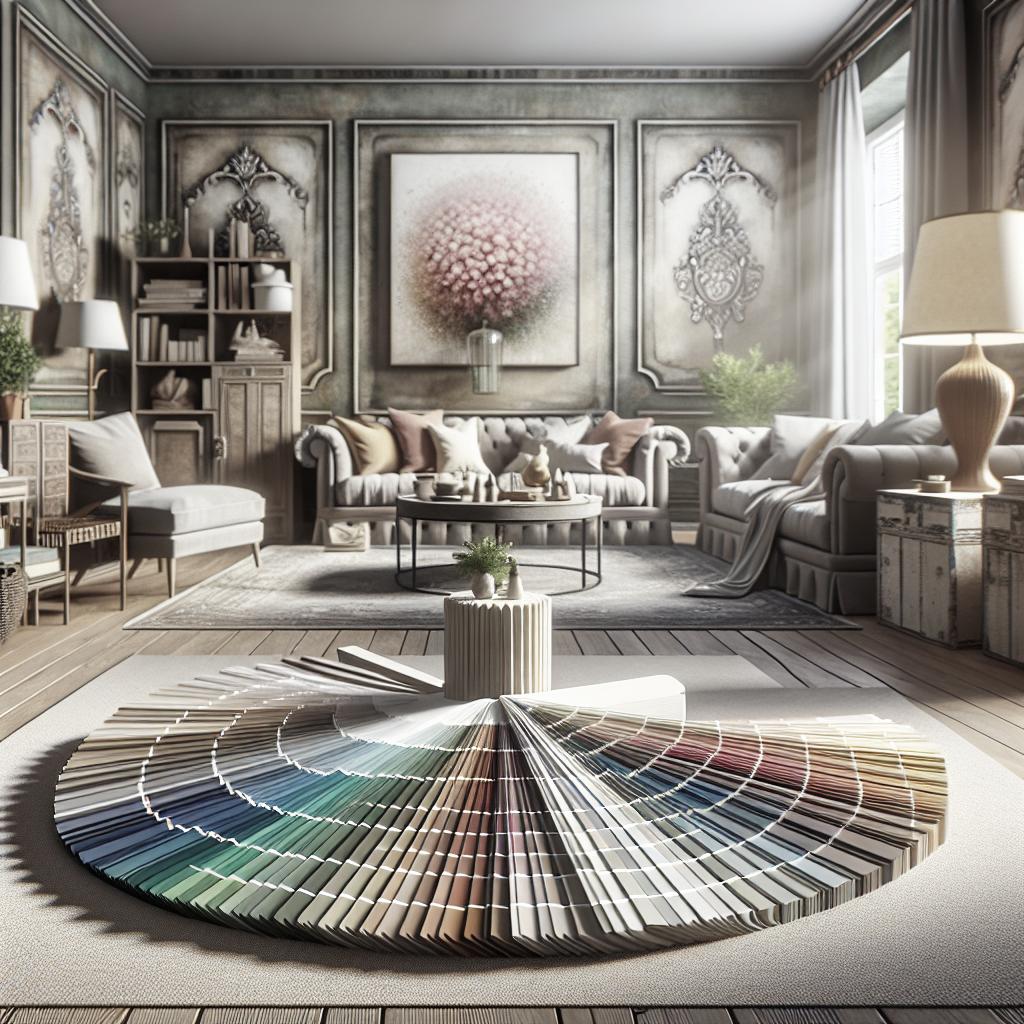
A cohesive color palette is vital for reducing visual clutter. Select a few complementary colors that convey your desired mood, be it calming or invigorating. Testing colors on small sections of walls and pairing sample swatches with your existing décor can guide your palette choices effectively.
13. Hide cords from electronics
Visible cords from electronics contribute significantly to visual clutter. Use organizing tools such as cable boxes, clips, or cord covers to neatly conceal cords, resulting in a cleaner workspace or living area. Universalizing this approach throughout your home brings coherence and tidiness to every room.
14. Get some organizational items
Invest in organizational tools to contain and tidy items while maintaining accessibility. Baskets, trays, and drawer dividers encompass practical and customizable storage options to adopt. Selecting organizational items that match your décor retains style consistency, ensuring storage remains both practical and visually appealing.
15. Find a home for everything
Assign specific places for all belongings to avoid misplaced items. When each item has a designated place, maintaining cleanliness becomes second nature. Labeling or color coding storage areas facilitates both organization and efficiency, streamlining maintaining tidiness in any room.
16. Keep your fridge clear
A cluttered fridge impacts not only visual harmony but also functionality. Regularly clean out expired foods and condiments, arranging remaining items efficiently and neatly. A clear fridge door fosters easy access to essentials while ensuring the aesthetics remain neat and inviting.
17. Have a designated space for shoes
Shoes frequently accumulate near doorways, creating visual clutter. Allocate a specific space for shoes, whether in a closet, basket, or shoe rack, eliminating this untidiness. This routine keeps frequently used pairs accessible while maintaining a tidy entrance area.
18. Declutter regularly
Routine decluttering maintains minimalism in living spaces. Schedule periodic assessments to re-evaluate possessions, ensuring items remain necessary and enriching. Commit to sorting out donations, discards, and possessions, adapting your environment over time for utmost peace and simplicity.
19. Tidy your home at the end of each day
Dedicate a few minutes at the end of each day for tidying. Focus on clearing tabletops, putting away items, and resetting commonly used spaces. This practice ingrains cleanliness as a lifestyle habit, sparking joy upon waking in a refreshed environment.
20. Put things away when you’re done using them
Implement the habit of returning items to their designated spots after use. This minimizes clutter accumulation and reduces the need for future cleaning sprees. By ingraining this habit, maintaining order becomes second nature, fostering a peaceful living environment.
21. Color-coordinate books and clothes
Organizing by color brings order and aesthetic appeal to closets and bookshelves. This tactical organization method makes locating items easier and reflects creative, yet disciplined, harmony. Apply this organization system to other areas, such as kitchen supplies or shoes, enhancing your home’s visual coherence.
22. Get rid of packaging
Brand labels and packages contribute to visual disorder. Decant goods like cereals or cleaning supplies into uniform containers, choosing stylish jars or bins to personalize storage solutions. Eliminating commercial packaging unifies your space, achieving an uninterrupted, uninterrupted aesthetic flow.
Final thoughts on how to reduce visual clutter
Embracing a minimalistic lifestyle requires mindful observation and thoughtful practice. The process involves assessing the roles different items play in your daily life. By eliminating the excess, you create harmony. Below is a concise guide that encapsulates the main points on how to effectively manage visual clutter in your living space:
| Strategy | Explanation |
|---|---|
| Clearing Surfaces | Keep counters and tables free of excess items to maintain order. |
| Limiting Decorative Items | Display only cherished and cohesive decorations. |
| Regular Decluttering | Schedule ongoing evaluations to assess item utility. |
| Utilizing Organized Storage | Choose organizational tools matching your décor to contain items. |
| Creating Habits | Develop routines such as daily tidying for sustained clutter-free living. |
Ultimately, the journey to achieving minimal visual clutter is transformative, promoting not just an aesthetically pleasing environment but a sanctuary that fosters mental clarity and peace.