As urban living spaces become increasingly compact, maximizing the potential of small rooms can drastically enhance comfort and functionality. Luckily, transforming a constricted or cramped room into a spacious haven is not just a possibility but a joyful creative challenge. Our guide explores masterful techniques to make any small room appear larger, featuring a variety of strategies from adept use of color and cleverly selected interiors to ingenious design tricks. Throughout this exploration, we delve into the art of clearing clutter, maximizing light, and selecting the right color schemes and furniture—and even where to place your bed. Every tip and trick is crafted with precision to empower you in making the most out of every square inch. With a touch of strategic decision-making, you can transform your small room into a functional, aesthetically pleasing sanctuary that optimizes the space without feeling sparse.
Clear Clutter
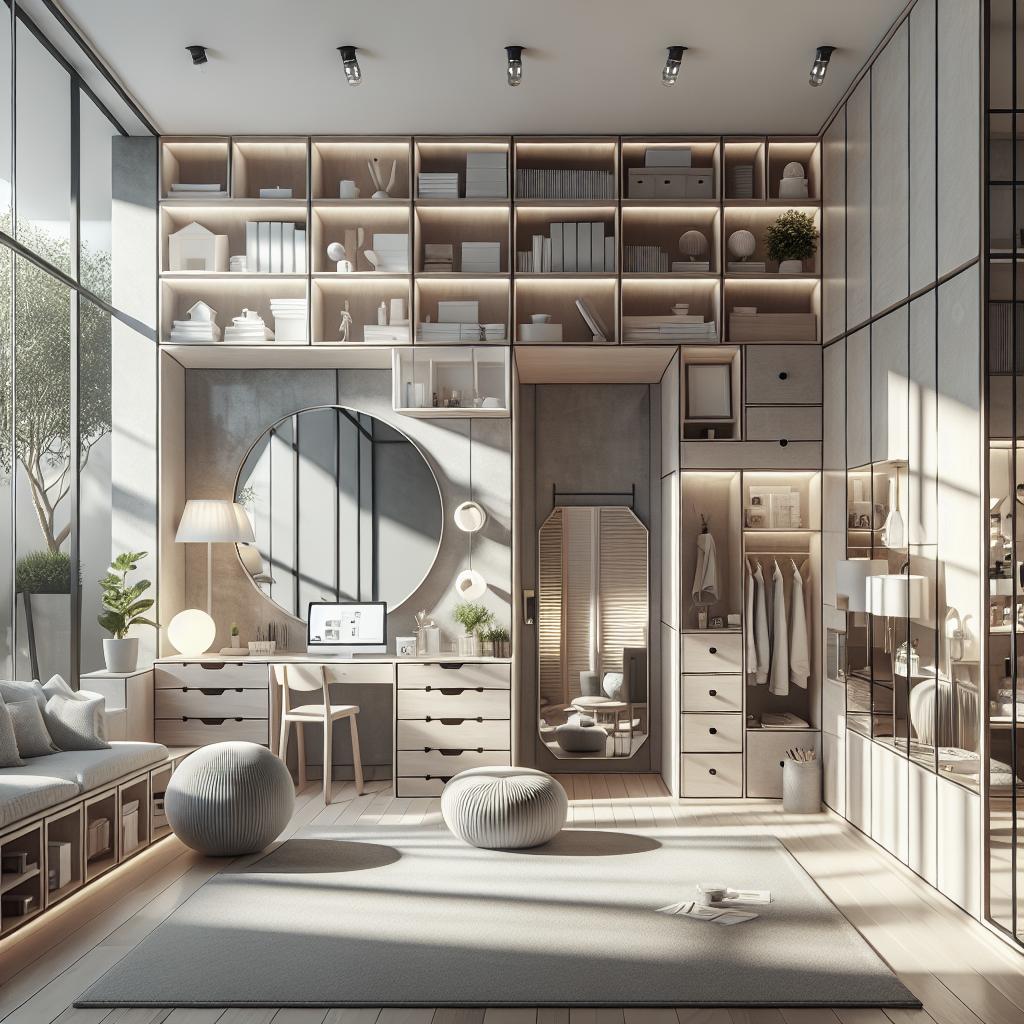
Decluttering is the simplest and most effective way to make a small room appear larger. Clutter can rapidly accumulate, even in the neatest of households, but it sabotages a room’s potential to look spacious. Begin by carefully evaluating what is in the room. Ask yourself whether each item serves an essential purpose or adds significant aesthetic value. Removing unnecessary objects will not only enhance visual harmony but will also make cleaning and maintaining the space much easier. Next, focus on minimalist design. Opt for multi-functional furniture like ottomans with storage space, wall-mounted shelves, and collapsible desks to organize efficiently without crowding. Invest in storage solutions that help you tuck away items you don’t use daily, clearing visible surfaces and creating a more inviting atmosphere. It’s like Marie Kondo says: keep only what sparks joy. Lastly, develop habits of tidiness. A small space demands consistency when it comes to keeping things in order. Creating specific areas for your belongings—such as making spots for shoes, keys, or mail—minimizes clutter intolerance and helps maintain an illusion of spaciousness year-round.
Keep Pathways Clear
Keeping the pathways throughout a room unobstructed is crucial in enhancing its perception of space. There should be easy, uninterrupted movement from one end of the room to the other, which helps create a natural flow and openness. When pathways are cluttered or blocked, the room feels confined, making it necessary to think judiciously about furniture arrangement. Start by identifying the natural traffic patterns within the room and test multiple layouts until you find a configuration that promotes effortless navigation. Avoid positioning large pieces of furniture directly in paths of movement as this often leads to disorganization and congestion. Instead, allow for ample walking space between furniture items, which will visually extend the room’s dimensions. In rooms where space is more restricted—such as compact living rooms or bedrooms—consider using lightweight furniture that is easier to move around when necessary. This will give you more freedom in adjusting the layout to accommodate both daily activities and special occasions without sacrificing space.
Choose Soft, Light Colors
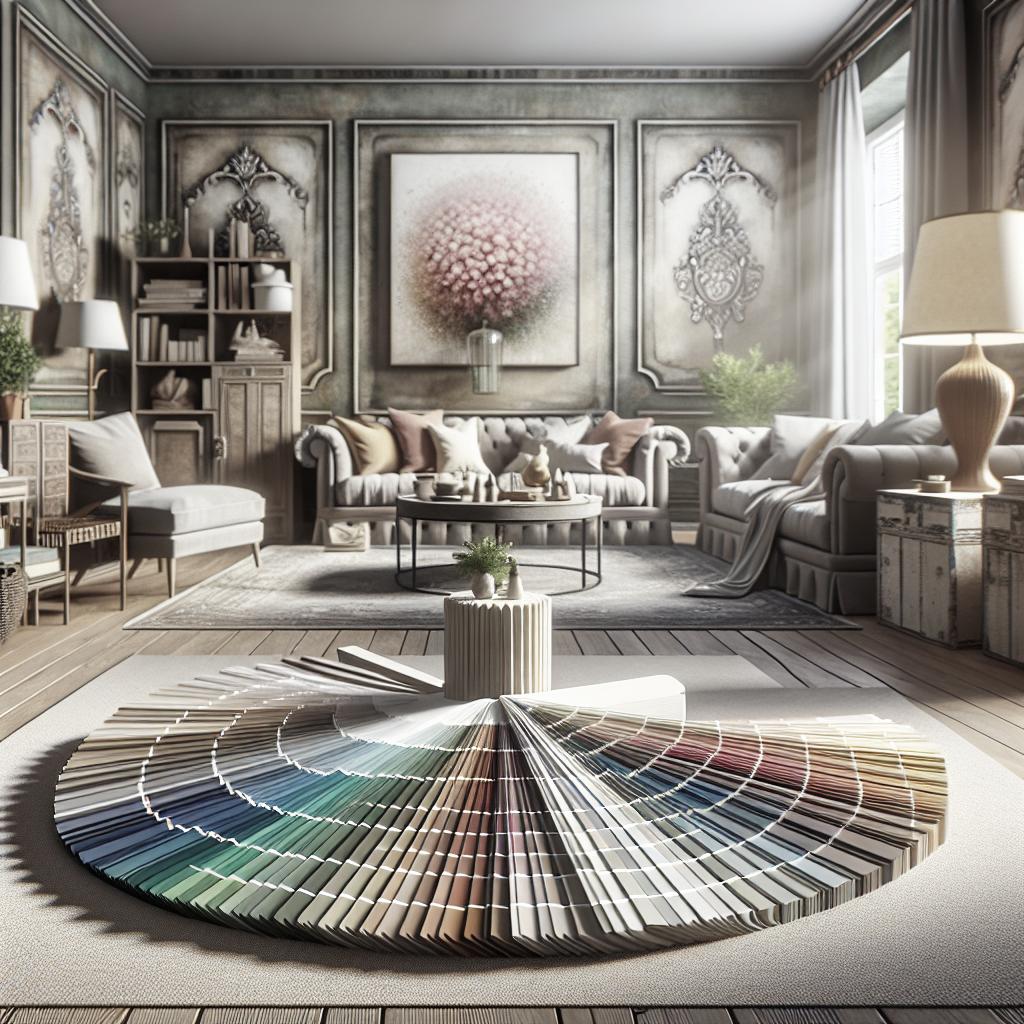
One of the most impactful ways to make a small room feel larger is the strategic use of color. Opt for a palette of soft, light colors that reflect more light, thereby making the room brighter and more open. Shades like creams, pastels, and light greys provide a less contrasting look, blurring lines and edges, and enhancing the perception of space. When selecting paint colors, consider their finishes as well. Eggshell and satin finishes provide a soft glow that can further reflect natural light throughout the room, adding to the illusion of airiness and opulence. Go beyond just walls; apply these soft tones to ceilings, trim, or built-ins for a seamless look that further enlarges the visual space. To add depth, integrate subtle variations of your chosen palette through artwork, textiles, and accessories. This approach maintains consistency while allowing personalization and visual interest that doesn’t compromise the room’s airy atmosphere.
Use a Neutral Color Scheme
A neutral color scheme is a classic choice when trying to make a tight space feel expansive. Neutrals, like soft whites, taupes, and greys, act as a canvas, allowing the room to breathe and flourish with understated elegance. Their timeless appeal ensures spaces remain in vogue without an overwhelming presence. When working with neutrals, consistency is key. Use similar tones throughout the room to create a unified look that seamlessly extends visual planes. This subtle cohesion can deceive the eye into perceiving a larger, more integrated space. Consider introducing textures through rugs, cushions, or wall treatments to counter any potential “sterility” associated with monochromatic schemes. Additionally, if you’re inclined towards a more sophisticated palette, embrace the array of warmer or cooler neutrals that add distinct character and comfort. This nuanced approach might incorporate creams with blush undertones or greys with cooler blues, offering sophistication without encroaching on spatial serenity.
Coordinate Wall and Furniture Colors
Another powerful technique for enlarging perceived space is coordinating the colors of walls and furniture. Choosing similar shades for both can help blend furniture into the room’s design seamlessly, making it appear less cluttered and confined. This strategy avoids harsh transitions, helping the eyes glide over various elements without obstruction. When selecting furniture, consider pieces in tones that complement or match the wall color. This doesn’t mean everything has to be the same color; rather, allow them to be in the same color family. For example, if your walls are light grey, a mid-tone grey or silver for furniture will harmonize the space, while adding variety. Another avenue worth exploring is applying this concept to major textile elements, such as curtains or rugs, which provide further continuity. This uniformity binds the room’s elements while reducing stark contrasts that can truncate visual pathways.
Let in the Light
Natural light is a room’s best friend when it comes to creating an impression of spaciousness. Allowing light to penetrate and brighten up your space can make a modest room more open and airy. Therefore, it’s essential to optimize its access by minimizing obstructions. To achieve this, consider installing lightweight curtains or using blinds that can be easily pulled back during the day. Removing heavy drapes or choosing sheer, breezy fabrics will permit sunlight to cascade throughout the room delicately. Moreover, strategically placing mirrors opposite windows reflects light effectively, spreading it further. For those with limited natural light access, augment it with artificial lighting solutions. Layer various types of light fixtures, such as ambient, task, and accent lighting, to amplify brightness. Distribute these light sources evenly, focusing on corners that might otherwise be shadowed, to ensure consistent illumination throughout the day and achieve the inviting aura of a much larger room.
Utilize Glass and Lucite
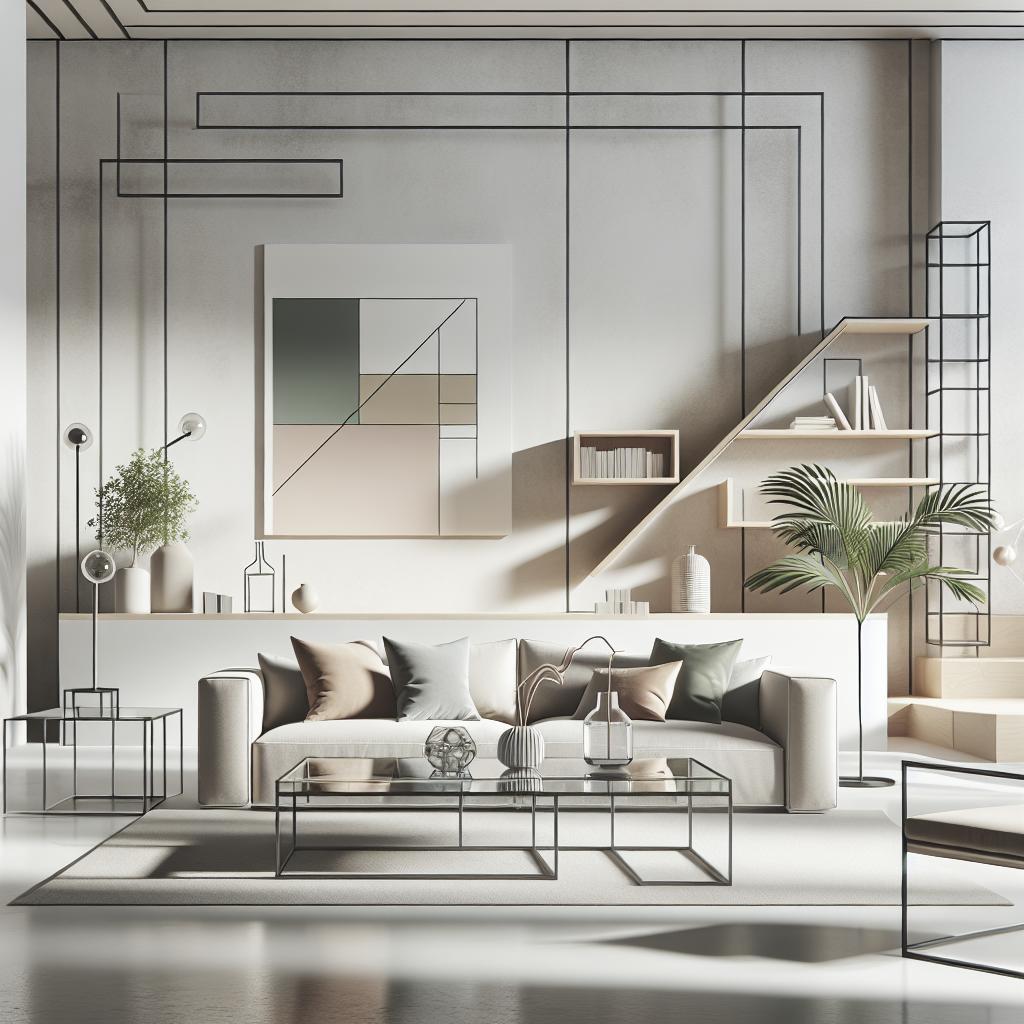
Incorporating materials like glass and Lucite in your furnishings is another clever approach to opening up a small room. These transparent materials create minimal visual interruption, allowing light to travel unimpeded—a significant factor in enhancing a room’s spaciousness. Furniture pieces made from Lucite or with glass elements, such as coffee tables, dining chairs, or shelving units, provide functionality without adding visual bulk. Their see-through nature helps them blend into the surrounding decor, maintaining the openness and flow of your interior design. You can also incorporate reflective glass elements in the form of mirrors or glass paneling, which contribute to the light infusion in your home. Together, these elegant yet subtle additions promote an airy aesthetic, giving off an impression of unencumbered vastness.
Add Reflective Surfaces
Reflective surfaces can create an illusion of space by playing with light and visual continuity. They add a touch of glamour and expand a room’s perceived boundaries by mirroring the area, effectively doubling its apparent size. Mirrors are a go-to solution; they can be used in their traditional form or in unexpected ways, such as mirrored furniture or decor details. Create interesting focal points by placing a large mirror opposite a window to reflect light and views, broadening the horizon from within the room. Aside from mirrors, introduce reflective surfaces through metallic finishes on vases, picture frames, or furniture. These accents catch and reflect light, enhancing the vibrancy and open feel of the room. The subtle sparkle from strategically placed reflective objects helps animate the space, creating rhythm and dynamic visual interest.
Go Big
Contrary to what might instinctively feel right, opting for a few larger pieces of furniture instead of numerous smaller ones can make a room appear larger. Large pieces create fewer lines and less visual interruption, offering a more streamlined look compared to a cluttered collection of small furniture. While mindful selection of furniture scale is crucial, one should not shy away from statement pieces that anchor the room. A large sofa or an oversized piece of art can create unity and balance, giving a sense of purpose and intention within the space. To complement this design choice, maintain simple silhouettes and clean lines in your furniture. These elements foster elegance without overpowering the existing space. By embracing intentionality through fewer but more impactful pieces, you can create a feeling of expansiveness and luxury, even in a small room.
Keep the Upholstery Plain
Choosing plain upholstery fabrics over busy patterns can aid in making a small room seem larger. Simple, solid-colored upholstery reduces visual noise, allowing the eye to rest and glide over surfaces without unnecessary distraction. Neutral, solid tones in upholstery align with various design schemes and provide versatility in incorporating additional colors and patterns through smaller accessories like cushions or throws. Selecting textures such as linen or cotton provides understated sophistication while facilitating easy integration into a myriad of design styles. If subtle pattern is desired, opt for small-scale designs with monochromatic tones. This allows you to play with visual interest without complicating the space. Ultimately, plain upholstery not only simplifies aesthetics but also enhances serenity and contributes to the clean, airy look essential to expanding a compact room’s presence.
Stick With Airy, Light Fabrics
The choice of fabrics plays a vital role in cultivating an open, expansive ambiance in a confined space. Light, airy materials encourage fluidity and ease, contributing to the overall lightness of the decor. For window treatments, prioritize billowy, sheer fabrics that allow natural light to filter through, such as voile or muslin. They offer privacy without obstructing illumination and work harmoniously in amplifying openness. When it comes to furniture or accents, incorporate lightweight textiles like cotton or linen known for their breathability and versatility. They adapt effortlessly to various styles, maintaining a casual, unfussy resolve. The use of these fabrics in neutral tones further enhances your room’s aesthetic and creates an inviting, understated elegance.
What color makes a room look bigger?
Choosing the right color is a paramount element in generating an illusion of space. Lighter colors are almost universally recognized as ideal for making a room appear larger as they reflect more light, broadening and brightening the room’s confines. Colors that are most effective include off-whites, pale blues, and other soft pastel hues. They infuse a sense of tranquility while maximizing light reflection, thus expanding visual boundaries. The choice between warm and cool shades may be determined by the room’s purpose—softer, cooler tones for restful spaces, and warmer pallors for welcoming areas. Remember, consistent application across surfaces nurtures expansiveness. You’ve the option to combine these colors with reflective or glossy finishes to maximize their capacity in enlarging perceptions of the room.
What patterns make a room look bigger?
When deciding on patterns that contribute to a larger feel, subtlety and moderation are key. Small spaces benefit from patterns that are simple, minimal, and don’t overwhelm. Stripes, particularly vertical ones, can significantly elongate a room’s appearance by drawing the eye upwards, creating height and space. Horizontal stripes can help visually widen a narrow room, literally expanding boundaries. For those who prefer a more decorative approach, opt for small-scaled patterns with ample negative space. They should never overwhelm the primary palette but rather accentuate it. This mindful allowance maintains the design’s integrity, allowing visual expansion rather than saturation.
Where should you put your bed to make a small bedroom look bigger?
The placement of your bed in a small bedroom can have a substantial effect on the room’s perceived size. Strategically positioning the bed optimizes both functionality and visual expansiveness. Position your bed against the main wall for a classic layout. It needs to be the focal point and should ideally face the entryway, providing a balanced view and a welcoming composition. Aligning it with the opposite window, if possible, allows natural light to envelope the space, enhancing openness. Avoid aligning the bed directly in front of the doorway or in the center of the room, as this may cause obstructions and disrupts the flow. Maximizing wall spaces with nightstands or small floating shelves adds utility without enclosure, contributing to the idea of an expanded room environment.
| Technique | Description |
|---|---|
| Clear Clutter | Minimalism and storage solutions to eliminate unnecessary items. |
| Keep Pathways Clear | Avoiding obstructions in traffic areas to enhance flow. |
| Choose Soft, Light Colors | Utilizing reflective, light hues to brighten space. |
| Use a Neutral Color Scheme | Employing cohesive, timeless palettes to maintain open lines. |
| Coordinate Wall and Furniture Colors | Ensuring seamless color continuity to reduce visual interruption. |
| Let in the Light | Maximizing natural and artificial lighting to uplift ambiance. |
| Utilize Glass and Lucite | Transparent materials that reduce visual bulk. |
| Add Reflective Surfaces | Mirrors and metallics that amplify spaces via reflection. |
| Go Big | Strategically using fewer, larger furniture pieces. |
| Keep the Upholstery Plain | Using solid colors over patterns for furniture textiles. |
| Stick With Airy, Light Fabrics | Choosing materials that promote brightness and minimalism. |
| What color makes a room look bigger? | Lighter hues and finishes that reflect more light. |
| What patterns make a room look bigger? | Simple patterns like stripes that guide the eye. |
| Where should you put your bed to make a small bedroom look bigger? | Optimal placement against a wall, facing the entryway. |