In recent years, the landscape of work has evolved dramatically, reshaping how we perceive and design our home offices. No longer just a place to plug in a laptop or store paperwork, the modern home office is a multifunctional powerhouse that merges comfort with productivity. As remote work becomes more mainstream, individuals seek innovative ways to optimize their spaces without compromising on style. This blog post delves into the latest trends in home office design, showcasing creative strategies that can transform any nook or corner into a thriving workspace. From the importance of natural light to innovative use of patterns, we’ll explore techniques and tips that cater to both aesthetics and functionality, ensuring your home office works as hard as you do.
Put Your Home Office to Work
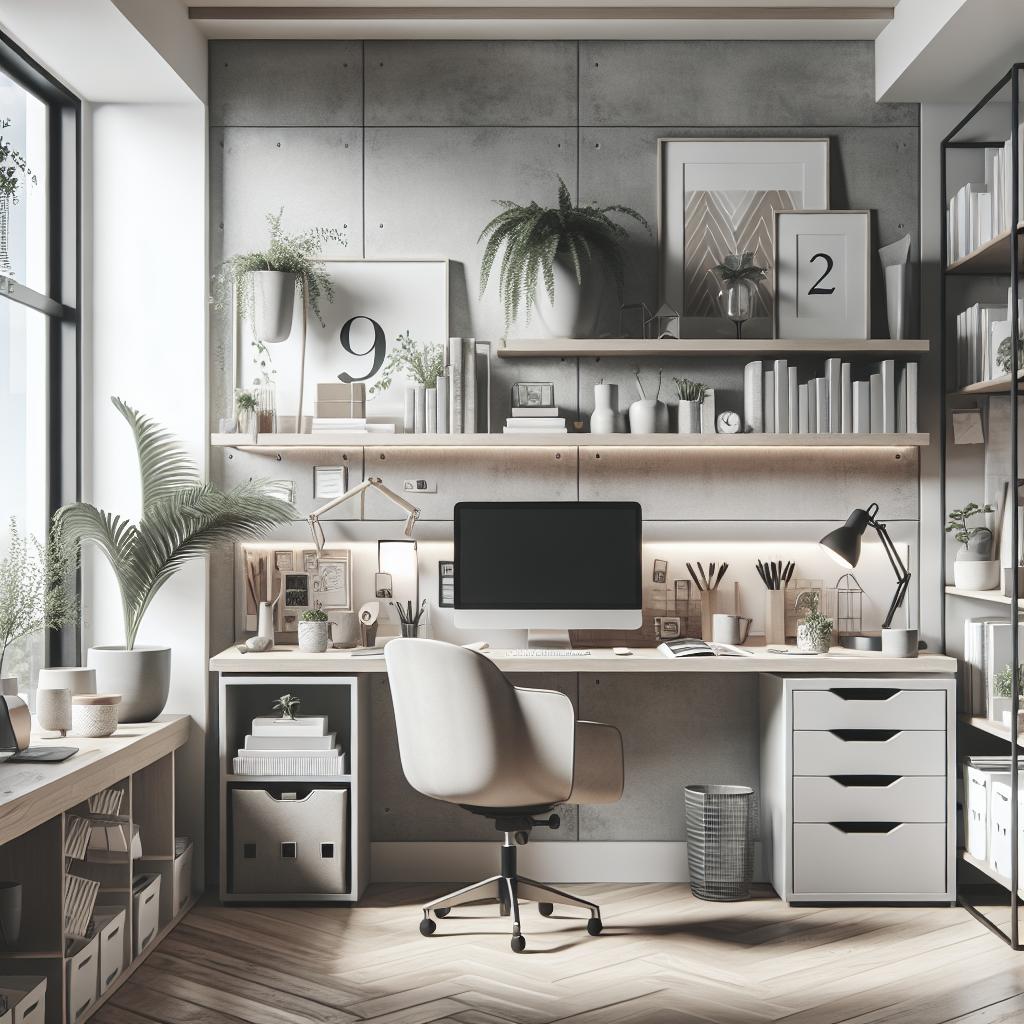
The concept of a home office has drastically shifted from a simple desk-and-chair setup to an efficient and personalized productivity hub. Today’s home offices prioritize multifunctionality, supporting various tasks from conference calls to deep focus sessions. To achieve this, furniture with multiple purposes is key. The use of adjustable desks offers flexibility, allowing one the choice between sitting or standing, which can benefit posture and minimize health risks associated with prolonged sitting. Additionally, storage solutions like modular shelving and mobile cabinets help maintain an organized and clutter-free space. Technology also plays a pivotal role in elevating the functionality of home offices. Investing in high-quality ergonomic chairs, dual monitors, and wireless accessories can improve efficiency and comfort significantly. Furthermore, the integration of smart home features, such as voice-activated lighting and temperature control, allows remote workers to tailor their environment for maximum productivity. Creating a coherent tech ecosystem that seamlessly blends into the design ensures the home office is a place to foster creativity and concentration. Beyond practical considerations, personalizing your workspace is essential to create a motivating and inspiring environment. Thoughtfully curated decor such as wall art, indoor plants, and personal mementos breathe life and character into the space, making it uniquely yours. Tailoring the aesthetics to reflect your personality and professional identity not only enhances the visual appeal but also promotes a sense of ownership, which can further fuel motivation and productivity.
Find a Window
Natural lighting has emerged as a cornerstone in home office design, with studies underscoring its numerous benefits for mental health and productivity. Positioning your workspace near a window can dramatically improve your mood, reduce eye strain, and enhance focus. Natural light has been shown to regulate circadian rhythms, promoting better sleep patterns and overall well-being. Moreover, a view of the outdoors can provide mental breaks and inspiration throughout the workday. The strategic use of windows goes beyond just letting in light. It’s about creating an inviting and refreshing space that encourages creativity and positivity. Consider using sheer curtains or blinds to filter the sunlight, softening its intensity without losing the natural glow. Mirrors can also be strategically placed to reflect light into darker areas, creating a balance between brightness and warmth. By harnessing the power of natural light, you not only bolster productivity but contribute to an eco-friendly workplace by reducing dependency on artificial lighting. If a window isn’t an option, don’t despair—there are alternatives to simulate the benefits of natural daylight. Full-spectrum light bulbs mimic the natural solar spectrum, providing a close alternative that can enhance energy levels and mood. Additionally, incorporating elements like nature-inspired art or indoor plants can provide visual relief and instill a calming, serene atmosphere reminiscent of the outdoors.
Build Out a Nook
With urban living spaces becoming increasingly compact, home office design has adapted through the innovative use of small, often overlooked areas; nooks have become an excellent solution. Crafting a cozy nook office allows for the efficient use of available space while maintaining a degree of separation from the hustle and bustle of home life. Whether it’s under the stairs, a repurposed closet, or an unused corner, these small yet functional areas can be transformed into delightful workspaces. Start by assessing the space you have and identifying key elements required for productivity: a sturdy desk, adequate lighting, and accessible storage. Using vertical space creatively with wall-mounted shelves and organizers maximizes functionality without encroaching on limited floor space. Moreover, opting for furniture with a smaller footprint and built-in storage can help maintain a tidy and efficient work area. Personalization is crucial in nook design. Consider using a distinctive paint color or wallpaper pattern to set the area apart and define its boundaries. The incorporation of cozy elements such as a small cushion or a throw can make the space inviting. Don’t forget technology; ensure that your nook is well-equipped with the necessary tech devices and connectivity to make it a truly modern micro-office. By thoughtfully curating your nook, you cater to the practical needs of work while maintaining the intimacy and comfort of home.
Layer Pattern on Pattern
Introducing pattern into your workspace is not merely about aesthetics; it is a dynamic design tool that can influence mood and productivity. Layering patterns is a bold trend that brings energy and personality into the home office. This technique involves mixing and matching diverse patterns through textiles, wallpapers, and decor, creating depth and visual intrigue. Successfully layering patterns requires a balanced approach. Start by selecting a primary pattern that will serve as the focal point, such as a striking area rug or wallpaper. Secondary patterns can then be introduced through accessories like cushions, art, or a chair to complement the primary choice. The key is to maintain cohesion by sticking to a coordinated color scheme, ensuring different patterns blend rather than clash. Pattern layering also offers the chance to express personal style, making the space uniquely yours. Geometric prints can convey modernity and structure, while floral motifs might evoke a sense of calm and creativity. Regardless of the direction you choose, the intentional use of patterns can transform your office from a mundane necessity into an energizing workspace that stimulates both creativity and productivity throughout your workday. Future Prospects | Trend | Description | Benefits | |—————————|———————————————————————————————————————————————————————————————–|——————————————————————| | Multifunctionality | Integration of multi-use furniture and smart tech to enhance productivity. | Flexibility, ergonomic benefits, enhanced efficiency. | | Natural Light Utilization | Maximizing window exposure and using light-capturing decor. | Improved mood, reduced eye strain, eco-friendly practice. | | Small Space Optimization | Transforming nooks into functional offices with innovative design approaches. | Efficient use of space, personalization, enhanced focus. | | Pattern Layering | Combining various patterns in decor to add depth and personality. | Aesthetic appeal, personalized space, increased creativity. | Incorporating these home office design trends allows you to adapt to the new realities of remote work, creating a space that supports both your professional duties and personal well-being. As you customize your home office, keep in mind the importance of a balance between functionality and aesthetics to ensure a productive and motivational environment.