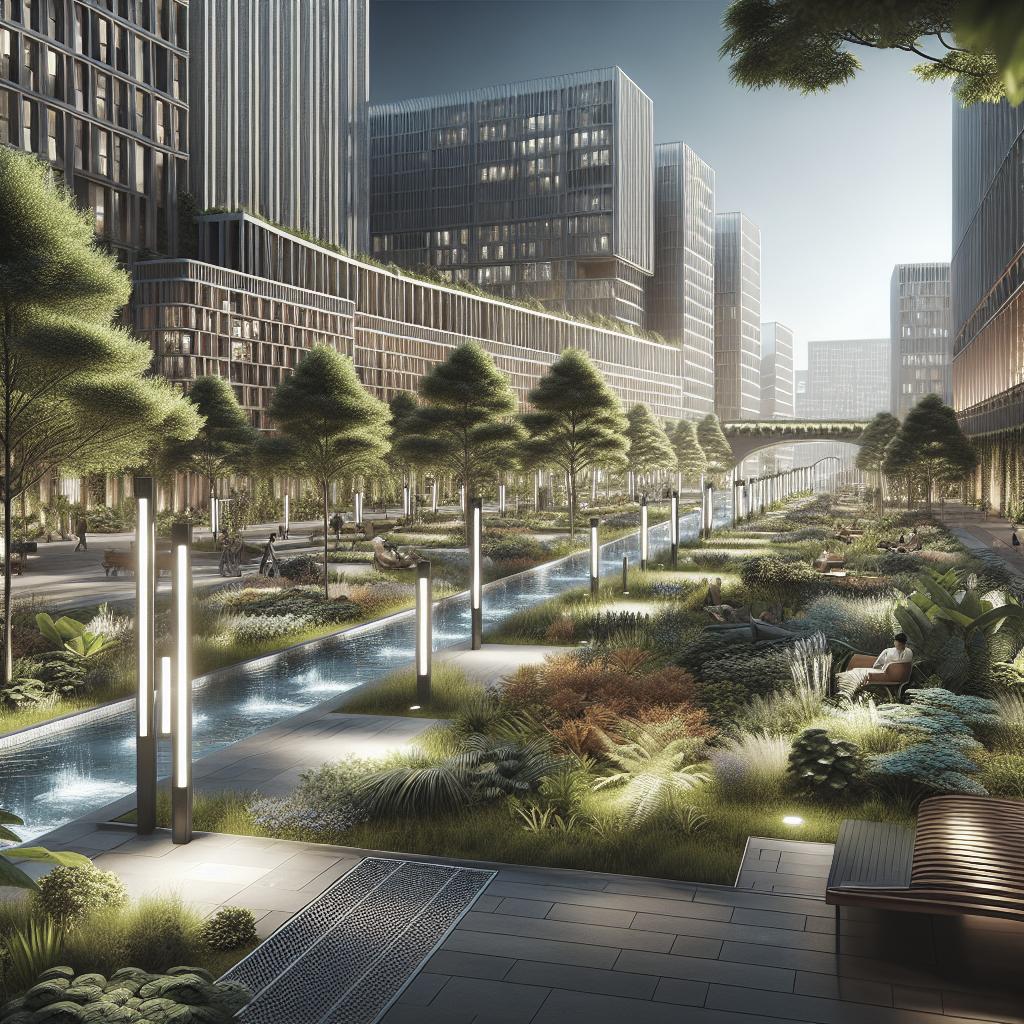
Exploring the Essentials of Landscape Architecture Landscape architecture is the blend of artistry and functionality in outdoor spaces, harmonizing natural and built environments to enhance aesthetics and usability. Whether creating serene gardens, dynamic urban parks, or sustainable green roofs, landscape architecture envelops diverse disciplines and principles. This article delves into the foundational aspects of landscape architecture, detailing the types of landscapes, the process of designing a landscape, key tips and current trends, the distinction between landscape designers and architects, and examines the principles guiding this discipline. We’ll also explore available technological aids, such as free apps, that facilitate landscape design. For anyone keen on outdoor design, understanding these facets provides a robust foundation to navigate the world of landscape architecture. ### Types of Landscapes Landscape architecture encapsulates a wide array of environments, each with unique characteristics. The primary types include residential landscapes, urban landscapes, and natural reserves. Residential landscapes focus on yards and gardens around homes, incorporating elements like patios, flower beds, and small water features to enhance living spaces. These designs merge aesthetics with functionality, creating personal retreats. Urban landscapes involve public spaces such as parks, plazas, and streetscapes. Here, the emphasis lies on accessibility, sustainability, and multipurpose usability. These spaces are integral to a city’s fabric, offering recreational spots, enhancing biodiversity, and mitigating urban heat. Natural landscapes, on the other hand, prioritize conservation and restoration. Preserving natural habitats and native plant species is key, often involving work in national parks or wildlife corridors to maintain ecological balance. ### How to Design a Landscape Designing a landscape is both an art and a science, requiring careful planning and execution. The initial phase involves site analysis, where elements such as soil quality, climate, existing vegetation, and topography are assessed. Understanding these factors helps in selecting appropriate plants and materials for the landscape. Next comes conceptual design, where ideas and sketches begin to shape the eventual standing of the project. This step involves brainstorming with clients or stakeholders to ensure their needs and aspirations are met. Planning pathways, choosing plant types, and deciding on focal points form crucial parts of this dialogue. The final stage is detailed design and implementation. This involves refining sketches into actionable blueprints, selecting and sourcing materials, and overseeing the actual construction or planting. ### Tips and Advice for Landscape Design Good landscape design is mindful of both current aesthetics and potential changes over time. One important tip is to consider the scale and proportion of elements. Trees and shrubs will grow, so plan for their mature size to avoid overcrowding. Additionally, prioritize native plants as they require less maintenance and support local ecosystems. Layering your plant selections can add depth and interest, starting with taller trees and following with medium shrubs, then low ground covers. Balancing hardscapes with softscapes is also pivotal; too much concrete can create a harsh environment, while strategic planting softens and naturalizes spaces. Lastly, incorporate functional areas for seating, play, or outdoor dining to ensure the landscape is usable and inviting. ### Trends in Landscape Design The landscape design field continually evolves, embracing new materials, technologies, and ecological concerns. One notable trend is the integration of sustainable practices, such as rain gardens, green roofs, and the use of permeable paving materials that reduce runoff and improve water management. There is also a growing interest in creating edible landscapes, incorporating fruit trees and vegetable gardens into the design, which not only provides food but also encourages biodiversity. Technology plays a role with the use of smart irrigation systems and landscape design software, optimizing efficiency and creativity. Moreover, minimalist designs are gaining popularity, with clean lines, limited plant palettes, and a focus on texture offering a modern appeal. ### What are the Three Major Principles of Landscape Design? Successful landscape design often hinges on three major principles: unity, balance, and proportion. Unity refers to the cohesion and harmony within a design, achieved through consistency in style, similar plant types, or repeated materials and colors. This helps create a coherent landscape that feels intentional and complete. Balance in landscape design is the visual weight distribution across the space. Symmetrical balance involves mirroring elements on either side of a central axis, while asymmetrical balance is more nuanced, relying on varied elements to achieve visual equilibrium. Proportion involves the relationship between elements in the landscape, including size, scale, and placement, ensuring components are visually compatible and comfortable in their environment. ### What’s the Difference Between a Landscape Designer and a Landscape Architect? Landscape designers and landscape architects both play vital roles in creating outdoor spaces, but their focus and qualifications differ. Landscape designers typically work on smaller projects, such as residential gardens, and although not always formally licensed, they possess expertise in horticulture, site analysis, and garden aesthetics. Conversely, landscape architects undergo formal education and licensing, allowing them to handle more complex projects like large public parks or urban planning. They integrate engineering, architecture, and ecology into their work, often collaborating with other professionals. While designers focus on softscape elements like plants, architects handle broader issues, including stormwater management and structural components. ### Is There a Free App to Design Landscapes? In today’s digital age, technology offers numerous tools to assist with landscape design. Several free apps cater to different needs, from conceptualizing basic layouts to realistic 3D renderings. One popular option is SketchUp Free, a web-based 3D modeling tool that’s user-friendly and versatile, ideal for beginners keen on designing landscapes with detailed visualizations. Another option is iScape, an intuitive app primarily used on iOS devices, allowing users to create virtual layouts with plant and hardscape libraries. Additionally, Garden Planner is a simple app that helps users visualize their outdoor spaces using drag-and-drop features, perfect for garden planning in 2D. These tools simplify landscape planning, making it accessible for hobbyists and professionals alike. ### Future Prospects The field of landscape architecture is dynamic, influenced by environmental trends, technological advances, and cultural shifts. While respecting traditional principles of design, innovation continues to shape the possibilities in this domain. Aspiring designers and enthusiasts can leverage technology and sustainable practices to create landscapes that are both beautiful and ecologically sound. Whether through professional endeavors or personal projects, understanding these core aspects paves the way for successful and inspired landscape architecture. “`html
| Aspect | Details |
|---|---|
| Types of Landscapes | Residential, urban, and natural landscapes with distinct characteristics. |
| Designing a Landscape | Involves site analysis, conceptual design, and detailed implementation. |
| Tips for Design | Consider scale, use native plants, balance hardscapes, and plan functional areas. |
| Trends in Design | Sustainable practices, edible landscapes, technology integration, and minimalism. |
| Major Principles | Unity, balance, and proportion guide effective landscape design. |
| Designer vs. Architect | Designers handle smaller projects, architects tackle complex ones with formal licensing. |
| Free Design Apps | Tools like SketchUp Free, iScape, and Garden Planner assist in landscape creation. |
“` This exploration aims to equip readers with knowledge and confidence to approach landscape architecture with creativity and care, illuminating pathways for personal and professional growth in this verdant art form.