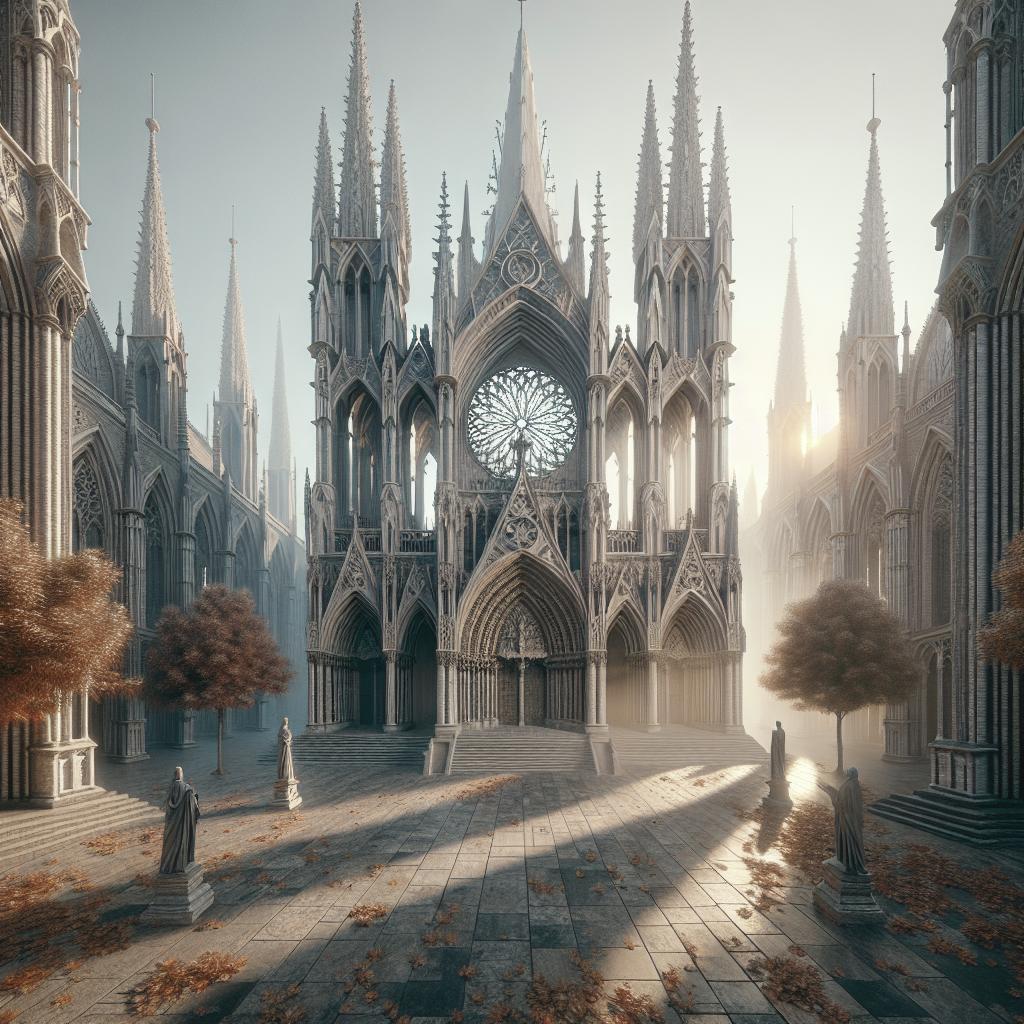
Exploring the Wonders of Gothic Architecture
Gothic architecture is a unique and enchanting style that emerged in Europe during the High and Late Middle Ages. Known for its dramatic forms and intricate details, it has left a profound impact on the world’s architectural landscape. This article delves into the essence of Gothic architecture, exploring its historical roots and classic elements such as pointed arches, rib vaults, and flying buttresses. You’ll also find a showcase of iconic Gothic buildings like Notre-Dame de Paris and Chartres Cathedral, a look at the widespread influence of this style across Europe, and a discussion of its enduring legacy. Whether you’re an architecture enthusiast or a curious observer, join us in uncovering the majestic feats and cultural significance that define the Gothic architectural movement.
What is Gothic Architecture?
Gothic architecture is a style that originated in the 12th century and became prevalent throughout Europe. The term “Gothic,” initially used pejoratively in the Renaissance period, refers to the architectural innovations and artistic styles that flourished during the Middle Ages. Distinct for its towering structures, intricate designs, and extensive use of light, this style represents a break from the classical architecture of the Romans and Greeks.
The Gothic movement aimed to create structures that were not only sturdy and functional but also inspiring and filled with light. Churches, cathedrals, and abbeys were its primary canvases, where architects could embrace elaborate ornamentation. Through their designs, they aimed to elevate the viewer’s eyes and spirit towards the divine. Today, Gothic architecture is celebrated for its bold aesthetics and masterful techniques, regarded as one of the greatest architectural achievements in history.
History
The history of Gothic architecture begins in the Île-de-France region of France, where it emerged as an evolution from Romanesque architecture. It rose to prominence during the 12th century, notably through the reconstruction of the Basilica of Saint-Denis. With its innovative use of ribbed vaults and pointed arches, Saint-Denis set the standard for the new style, inspiring other architects to adopt and adapt these features.
Gothic architecture spread rapidly to England, Spain, Germany, and beyond, becoming the dominant architectural style in Europe by the 13th century. It remained popular into the 16th century, evolving into distinct regional variants. The style eventually faded as the Renaissance brought a renewed interest in classical forms, yet its influence persisted. Today, Gothic architecture is celebrated, studied, and preserved, influencing modern architects and inspiring the Neo-Gothic revival of the 19th century.
Classic Elements
Pointed Arches
One of the hallmark elements of Gothic architecture, pointed arches differ from the Romanesque style’s round arches by their sharp angle. This form not only serves an aesthetic role, giving structures a sense of height and elegance, but also has a practical function. Pointed arches distribute weight more effectively, allowing architects to build taller and more structurally sound buildings. This innovation enabled the incorporation of large windows and complex ribbed vaults.
The pointed arch became a defining visual cue of the Gothic style, facilitating the transition from Romanesque massiveness to a more upward, dynamic architecture. Its application is widespread in doorways, windows, and arcades, contributing to the ethereal and light-filled quality of Gothic cathedrals.
Rib Vaults
Rib vaults are another crucial feature in Gothic architecture, representing a significant advancement over earlier barrel vaulting techniques. Composed of intersecting arched ribs, rib vaults offered enhanced load distribution, which reduced the need for solid walls. Consequently, interiors could be opened up, filled with light from expansive stained-glass windows. This innovation permitted the transfer of weight directly to piers, allowing for higher ceilings and more elaborate designs.
Rib vaulting allowed builders to construct soaring naves and expansive interiors that echoed the majesty of the heavens. It became a cornerstone for the construction of vast and ornate cathedrals, cementing rib vaults as a symbol of Gothic achievement in engineering and architecture.
Flying Buttresses
The flying buttress is one of the most recognizable innovations of Gothic architecture. An external support system, these semi-arched structures extend from the walls to piers, counteracting the lateral forces of vaulted ceilings. This architectural solution enabled the construction of higher walls and allowed for extensive use of glass.
The aesthetic impact of flying buttresses is just as significant as their structural role. They give Gothic cathedrals their characteristic skeletal look while allowing interiors to be more open and filled with light. This design element is a testament to the period’s technical ingenuity and remains a defining aspect of Gothic design.
Large Stained Glass Windows
Gothic architecture is synonymous with the grand, captivating stained glass windows that adorn its structures. These windows transcended mere decoration to serve as vibrant narrators of biblical tales and saints’ lives, illuminating interiors with colorful light. The innovative use of large windows was made possible by the structural support provided by pointed arches and flying buttresses.
The artistry and technical skill involved in creating stained glass became highly prized, resulting in windows of exceptional beauty and detailed craftsmanship. Rose windows, in particular, became a hallmark of Gothic cathedrals, often taking the focal point of the building’s façade and contributing to the overall grandeur of the architecture.
Ornate Decoration
Gothic architecture is renowned for its elaborate decorative elements, which often incorporate religious symbolism. Ornamentation like intricate stone carvings, sculptures, and detailed facades feature prominently in Gothic structures. Gargoyles, detailed scenes, and intricate tracery work contribute to the rich storytelling and aesthetic impact of these buildings.
Sculptures and carvings often depict religious narratives, historical figures, or allegorical scenes, creating a visual harmony between structure and ornamentation. This elaborate decoration enriches the viewer’s experience, adding layers of meaning and wonder, and continues to be celebrated for its artistic brilliance today.
Notable Buildings Built in the Gothic Style
Basilica of Saint-Denis
The Basilica of Saint-Denis, located just outside Paris, is often regarded as the first truly Gothic structure, marking the beginning of the Gothic era in architecture. Its reconstruction in the mid-12th century, under Abbot Suger, saw the first application of rib vaults and pointed arches, allowing for higher ceilings and significant stained-glass windows.
This church set the precedent for subsequent Gothic architecture. Its innovative design elements enabled a flood of color and light within, inspiring countless other European buildings and establishing the Basilica of Saint-Denis as a seminal milestone in architectural history.
Notre-Dame de Paris
Notre-Dame de Paris, a jewel of French Gothic architecture, stands as one of the most famous cathedrals globally. Commenced in 1163 and completed over a hundred years later, Notre-Dame showcases key Gothic elements such as flying buttresses, a massive nave, and ornate sculpture work.
The cathedral’s iconic twin towers, its dramatic façade, and stunning rose windows captivate millions of visitors annually. Despite challenges such as the 2019 fire, Notre-Dame remains a cultural and spiritual icon, reflecting the enduring legacy and allure of Gothic architecture.
Chartres Cathedral
The Chartres Cathedral, located southwest of Paris, stands as a testament to the heights achieved by Gothic architecture both physically and artistically. Begun in the early 12th century, its construction features exquisite stained glass and a harmonious blend of late Romanesque and High Gothic elements.
Chartres’ labyrinth, stunningly intricate facades, and soaring spires are the epitome of the Gothic style’s visual storytelling. Its near-intact collection of medieval stained glass, replete with biblical tales and saintly depictions, is unparalleled, earning Chartres Cathedral a place as one of the world’s most celebrated Gothic monuments.
Reims Cathedral
Reims Cathedral, an exemplar of High Gothic architecture, is located in the northeastern part of France. Constructed between 1211 and 1311, it is famed for its sculptural ensemble, particularly the smiling Angel, and its three-tiered façade showcasing mastery in depth and design.
Reims’ innovative glasswork, expansive rose windows, and emphasis on verticality mark a pinnacle of Gothic art and engineering. For centuries, it has served as the coronation site for French monarchs, cementing its place as a cornerstone of cultural and architectural history.
Amiens Cathedral
Amiens Cathedral, known for its vast proportions and stone carvings, is one of the largest Gothic cathedrals in France. Its construction started in the 13th century, reflecting the ambitious heights of Gothic architecture with its towering nave and detailed sculptural elements.
The cathedral’s façade is noted for its meticulous sculptures and deep heritage-inspired imagery. As a UNESCO World Heritage site, Amiens Cathedral continues to captivate visitors with both its scale and intricate details, exemplifying the transformative power of Gothic architecture.
Gothic Architecture in Europe
Milan Cathedral
Milan Cathedral, or the Duomo di Milano, stands as a stunning masterpiece of Gothic architecture in Italy. Its construction spanned six centuries, incorporating both Gothic elements and Renaissance influences. The cathedral’s sublime marble façade, with its countless spires and statues, draws visitors from around the world.
Inside, the Milan Cathedral boasts grand stained glass windows, among the largest in the world, enhancing its ethereal atmosphere. The intricate details and dedication to craftsmanship illustrate the care and ambition of the architects and highlight the Gothic love for embellishment and structural complexity.
Westminster Abbey
Westminster Abbey is an iconic Gothic landmark in London, standing as a testament to the evolutionary path of Gothic architecture in England. Initially founded in the 10th century, its Gothic refurbishment began under Henry III in the 13th century.
Known for its flying buttresses, large stained glass windows, and stunning fan-vaulted ceilings, Westminster Abbey has played a pivotal role in British history. Its architectural splendor and historical prominence continue to make it a focal point for royal ceremonies and a beacon of Gothic grandeur.
St. Stephen’s Cathedral
Located in Vienna, St. Stephen’s Cathedral is Austria’s most significant Gothic edifice. Its majestic south tower, famously known as “Steffl,” offers stunning views of Vienna, symbolizing the city’s skyline. The cathedral is adorned with a mosaic-tiled roof representing Vienna’s coat of arms.
Inside, the cathedral features exquisite altarpieces, statues, and stained glass, embodying the artistic spirit of the Gothic era. St. Stephen’s serves as a critical piece of both religious and architectural heritage in Europe, illustrating the reach and adaptation of Gothic styles across regions.
Seville Cathedral
Seville Cathedral in Spain is a crowning achievement of Gothic architecture and is renowned as one of the world’s largest Gothic cathedrals. It illustrates the grandeur and ambition of Gothic architects, blending Islamic art and architecture influences due to its construction on the site of a former mosque.
Seville Cathedral’s sheer scale, ornate adornments, and the iconic Giralda bell tower highlight the strengths of Gothic design—merging form with spiritual aspiration. Its intricate ornamentation and the support of flying buttresses encapsulate the style’s remarkable adaptability and cultural richness.
Legacy
Gothic architecture’s legacy is profound, enduring far beyond its medieval origins. The style not only transformed architectural practices in Europe but also influenced artistic movements and inspired the Neo-Gothic revival in the 19th and 20th centuries. Its emphasis on verticality, light-filled spaces, and systemic embellishment continues to inspire contemporary architects.
Despite the practical and symbolic functions bound to its era, the Gothic style’s historico-architectural significance remains relevant. It has emerged as a subject of academic fascination and preservationist efforts, ensuring that future generations can marvel at and learn from these architectural masterpieces.
Related Articles
- The Renaissance and Modern Influences on Gothic Architecture
- Comparing Romanesque and Gothic Architectural Styles
- Exploring the Gothic Revival of the 19th Century
- How Light is Used in Gothic and Modern Architecture
- The Evolution of Architectural Designs Through the Ages
Frequently Answered Questions
What are the primary features of Gothic architecture?
Gothic architecture is defined by features such as pointed arches, rib vaults, flying buttresses, large stained-glass windows, and ornate decoration. These elements combine to create structures that are both ambitious in height and rich in artistic detail.
What is the significance of the pointed arch in Gothic architecture?
The pointed arch allowed for the transfer of structural weight, enabling the construction of taller and more light-filled buildings. This innovation paved the way for expansive stained-glass windows and supports Gothic architecture’s aesthetic and functional aspects.
Why is Gothic architecture considered important historically?
Gothic architecture marks a pivotal evolution in architectural history, showcasing advancements in engineering, aesthetics, and symbolism. Its widespread influence across Europe and its capacity for artistic expression make it a hallmark of cultural heritage.
Future Prospects
| Section | Content Summary |
|---|---|
| What is Gothic Architecture? | An introduction to the origins and defining characteristics of Gothic architecture. |
| History | Exploration of the Gothic style’s inception, evolution, and impact over time. |
| Classic Elements | Detailed look at Gothic architectural features like pointed arches, rib vaults, and ornate decoration. |
| Notable Buildings Built in the Gothic Style | Profiles of key Gothic structures such as Notre-Dame de Paris and Amiens Cathedral. |
| Gothic Architecture in Europe | An examination of significant Gothic architecture across various European regions. |
| Legacy | Discussion on the lasting influence and modern appreciation of Gothic architecture. |
| Related Articles | Links to further readings on related architectural subjects. |
| Frequently Answered Questions | Quick answers to common inquiries regarding Gothic architectural features and significance. |