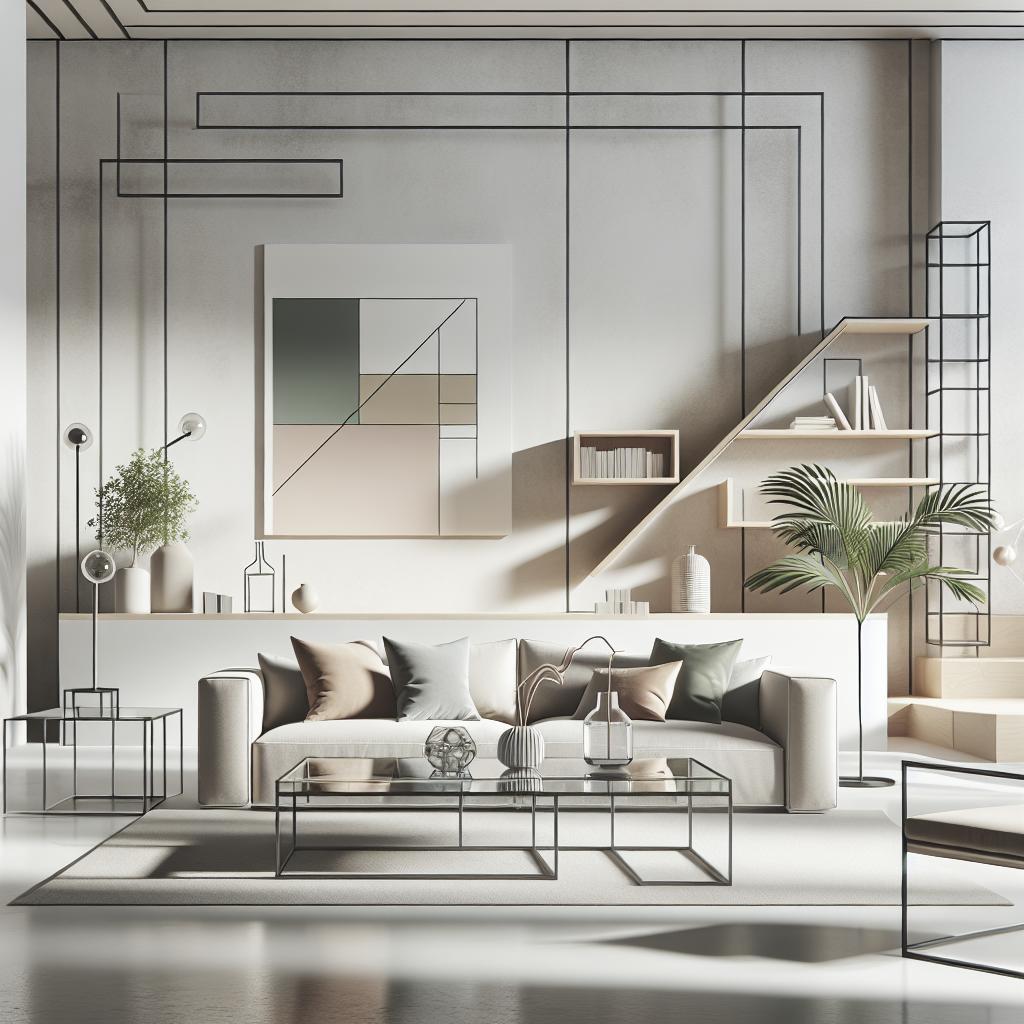
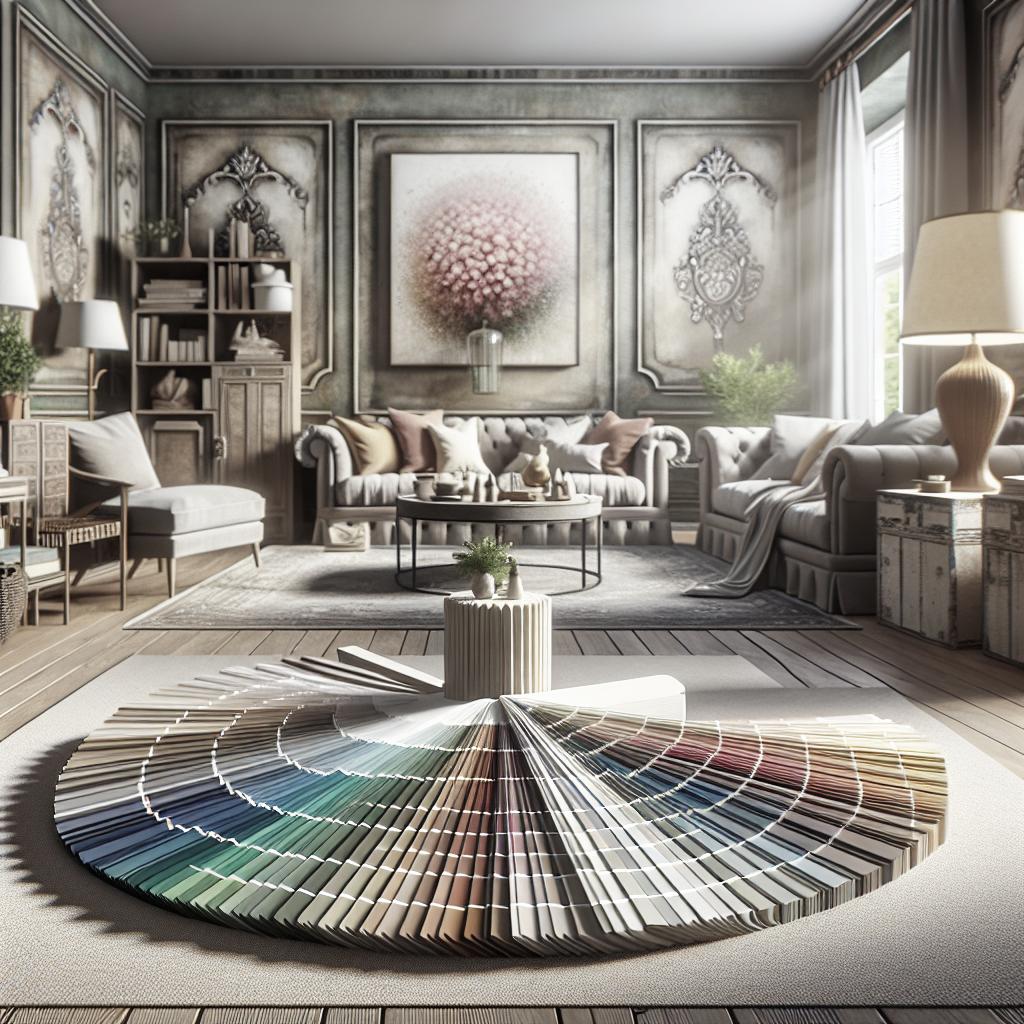
## Cultural Significance of Design Elements In today’s interconnected world, design is more than just aesthetics—it’s a reflection of our cultural identities and histories. Design elements ranging from architecture, interiors, to everyday objects serve as cultural bookmarks, representing the stories, values, and traditions of various societies. This blog delves into the cultural significance of design by exploring how heritage and global trends influence modern design, and how materials, textures, and colors contribute to cultural narratives. Examples of successful cultural integration in contemporary designs highlight the importance of authenticity and respect for diverse cultures. By analyzing these aspects, we can better appreciate how design is a powerful storytelling medium that connects us to different cultures around the globe. ### Cultural Heritage in Design Cultural heritage is a cornerstone in the realm of design, providing a lasting influence that shapes and transforms contemporary practices. Elements of traditional architecture and craftsmanship often resurface in modern design, not only as a tribute to the past but also as a means to preserve and honor cultural heritage. This includes motifs and patterns passed down through generations, which continue to inspire designers today. By incorporating elements such as indigenous patterns or forms from ancient architectures like Greek columns or Chinese geometrics, designers create works that keep cultural traditions alive. Moreover, the integration of cultural heritage in design extends beyond mere aesthetic replication. It’s about understanding and respecting the underlying stories and values these designs hold. Using cultural artifacts and heritage, designers can craft environments and products that have a profound emotional and psychological impact on their users. This mindful incorporation helps to promote cultural continuity and can even serve as an educational tool, connecting current generations to their ancestral roots. ### Global Trends Influencing Modern Interiors The landscape of interior design today is a microcosm of the larger global interaction. Trends have increasingly become a blend of multiple cultural elements, reflecting the interconnectedness of our world. The fusion of Scandinavian minimalism with Japanese Zen influences, popularly known as “Japandi,” is a prime example of how global trends are reshaping interior aesthetics. Such hybrids not only offer a fresh perspective but also encapsulate the shared philosophies of diverse cultures, promoting harmony and balanced living spaces. Global-inspired design trends are also championed by the rise of technology and social media platforms that make it easier than ever for designers to share their work and draw inspiration from across borders. Designers are increasingly experimenting with eclectic styles that merge influences from every corner of the globe. This has fostered a more inclusive design ethos that celebrates diversity and embraces a wide range of stylistic expressions, thus reflecting the pluralistic society we live in today. ### Materials and Textures: A Cultural Palette Materials and textures play a vital role in creating culturally significant designs. The choice of material often carries with it centuries of tradition and social implications. For instance, the use of bamboo in Asian cultures is not merely an aesthetic decision, but a nod to sustainability and the harmonious relationship between humans and nature. Similarly, the use of indigenous woods, metals, and textiles in African or South American design provides a rich tapestry that speaks to the local craftsmanship and resourcefulness of those regions. Textures, too, offer a sensory experience intricately linked to cultural significance. The coarse texture of handwoven textiles, for example, can carry the story of a community’s history, techniques, and values. The sensory engagement materials and textures provide helps designers tell a multi-layered cultural narrative, blending the visual with the tactile to create spaces and products that resonate on a deeper level with their audience. ### Color Schemes Inspired by Cultural Landscapes Color is a vivid conveyor of cultural heritage and holds significant meaning within different societies. In India, bold colors like saffron and ultramarine play a major role not only in design but also in expressing religious and spiritual beliefs. Meanwhile, Scandinavian design tends to embrace a more subdued palette that reflects the natural landscapes and light conditions of Nordic countries. These color choices are not arbitrary but are rooted in historical, environmental, and emotional contexts that are culturally specific. By drawing inspiration from cultural landscapes, designers can create spaces and products that not only capture attention but also evoke emotions and memories linked to cultural experiences. The emotional resonance of color allows designers to craft environments that speak to the identities and stories of those who interact with them, emphasizing the depth and richness that cultural consideration brings to design. ### Successful Integration of Culture in Modern Designs There are numerous examples where cultural integration in modern design has been achieved with grace and authenticity. Consider the Sydney Opera House, designed by Jørn Utzon, which embodies modernist design principles while taking inspiration from the natural forms of the Australian landscape and resonating with local cultural stories. Another example is the use of Moroccan tiles in contemporary interior design, a practice that honors the intricate craftsmanship and historical context of Moroccan artistry while fitting seamlessly into modern homes. The key to successful cultural integration lies in a deep understanding and respect for the culture being referenced. Rather than superficial appropriation, successful designs involve collaboration with cultural experts and artisans to ensure that each element is employed in a manner true to its origins. These designs celebrate cultural narratives and enrich our collective human experience by offering diverse lenses through which to view the world. ### Final Thoughts In summary, the cultural significance of design elements is profound and multifaceted, offering a complex narrative that bridges the past, present, and future through its innovative application. Recognizing design as a tool for cultural storytelling fosters a greater appreciation for diversity and creativity in contemporary settings. As designers continue to draw from a rich tapestry of cultural heritages, influenced by global trends and embodied in materials, textures, and colors, the resulting works enrich our experiences, educate about cultural histories, and connect us as a global community. Here’s a snapshot of these key points: “`html
| Aspect | Key Points |
|---|---|
| Cultural Heritage in Design | Preserves traditions; emotionally impacts users; connects to ancestral roots. |
| Global Trends Influencing Modern Interiors | Fusion of styles; influenced by global interactions and technology; reflects diversity. |
| Materials and Textures: A Cultural Palette | Centuries of tradition; sensory engagement; rich cultural narratives. |
| Color Schemes Inspired by Cultural Landscapes | Rooted in cultural context; evokes emotions and memories; emphasizes cultural identity. |
| Successful Integration of Culture in Modern Designs | Authentic representation; collaboration with cultural experts; enhances diversity. |
“` By understanding and valuing these components, we can foster designs that truly resonate with the diverse tapestry of humanity.