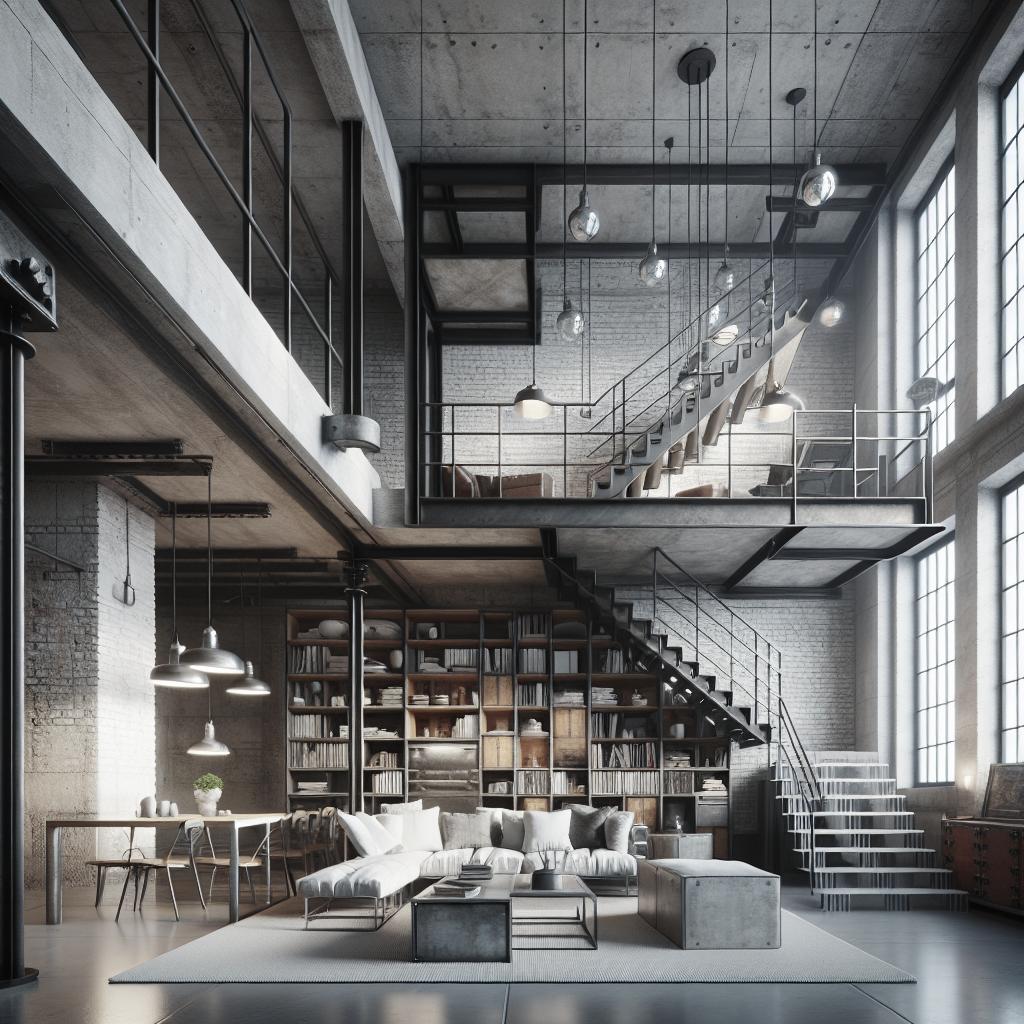
Incorporating industrial elements into residential spaces has become increasingly popular in interior design, offering a raw, edgy aesthetic that combines functionality and history. This blog post explores how industrial interior design merges the old with the new, shedding light on its origins and defining characteristics that make it unique. We begin by delving into the fundamental principles of industrial design and tracing its roots back to the late 19th and early 20th centuries. By examining traditional examples, we highlight the architectural elements that define this style. Finally, we offer practical tips on how to seamlessly integrate industrial elements into your own home, whether through furniture choices, color palettes, or creative repurposing of materials. Whether you’re looking to transform an entire space or subtly infuse industrial chic into your existing decor, this guide provides a comprehensive overview of how to capture the essence of this timeless design trend. ## What is Industrial Interior Design? Industrial interior design is a style that celebrates raw, unfinished elements, often drawing inspiration from warehouses and urban lofts. It combines rugged aesthetics with an emphasis on functional features, making it both practical and visually intriguing. The style is characterized by the use of steel, wood, exposed brick, and metal elements, often juxtaposed against softer textures to create a harmonious yet edgy environment. This design embraces the beauty of imperfections and natural patina, evident in materials like distressed wood and oxidized metals. At its core, industrial design focuses on open floor plans and high ceilings, which reflect its origin in large, utilitarian spaces. The emphasis is on celebrating architectural details rather than concealing them, thus achieving an authentic, unfussy look. This design approach integrates seamlessly with modern life by making functional elements decorative, such as visible ductwork, pipes, and structural beams. By embracing industrial interior design, one can create spaces that are minimalist without being sparse, offering a powerful statement through simplicity. ## History of Industrial Interior Design The roots of industrial interior design can be traced back to the Industrial Revolution in the late 19th century, a time when factories and warehouses were booming, characterized by their robust construction and no-frills aesthetics. As manufacturing methods improved, these buildings were equipped with sturdy materials like steel, iron, concrete, and brick—materials that today are synonymous with industrial design. The practicality of these structures was paramount, which led to the show’s most defining characteristics: open spaces, large windows, and durable surfaces. Fast forward to the 20th century, particularly in the post-World War II era, as industries declined, many factories and warehouses became abandoned. These spaces were later repurposed into residential dwellings, particularly in urban areas like New York City and London, where artists and young professionals sought affordable housing. This adaptive reuse of industrial buildings influenced a demand for the sleek, minimalist style we now associate with industrial interior design. Today, even newly built homes can incorporate these design elements, blending historical richness with contemporary aesthetics. ## Defining Elements and Characteristics of Industrial Interior Design Industrial interior design is anchored by several defining elements and characteristics, the first being its emphasis on materials. Steel and iron, often seen in furniture frames and light fixtures, are complemented by wood—preferably reclaimed—adding warmth and texture. Concrete surfaces are commonly used for flooring and countertops, contributing to the raw, unfinished look that defines the style. Another characteristic is the use of large, unobstructed spaces. Open floor designs are common in industrial spaces, facilitating fluidity and the perception of larger areas. This openness is complemented by large windows and high ceilings, allowing natural light to flood the space, highlighting the authenticity of the materials used. The deliberate exposure of structural elements, such as brick walls, metal beams, and ductwork, is not just a necessity but a celebrated aspect of the design, adding depth and interest to the environment. The color palette in industrial interior design frequently leans toward neutral shades, such as grays, whites, and earth tones, creating a rugged yet sophisticated atmosphere. Bold accents in the form of artwork, plants, or colored rugs can introduce contrast without detracting from the minimalist aesthetic. Accessories are typically functional, with a focus on vintage or reclaimed items, which add a layer of historical context and character. ## Examples of Traditional Interior Design Traditional examples of industrial interior design can be found in many converted lofts and renovated homes, particularly in cities like New York and Chicago. These spaces often showcase the quintessential features of industrial design: high ceilings, open layouts, and large, steel-framed windows. The use of raw materials is prominent, with exposed brick walls and visible ductwork creating a distinctly urban vibe. Furniture pieces in these spaces typically feature clean lines and simple forms, often using wood and metal to complement the rugged backdrop. In many lofts, the integration of modern elements with traditional industrial architecture provides a unique juxtaposition. For instance, a sleek leather sofa could be paired with a reclaimed wood coffee table, set against the backdrop of an exposed brick wall. Industrial lighting fixtures, like pendant lights with Edison bulbs, add warmth and character while paying homage to the style’s historical roots. These examples illustrate how traditional industrial design celebrates both functionality and artistry, allowing for a dynamic interplay between past industrial utility and present-day modernity. Beyond individual dwellings, traditional industrial design can also be seen in commercial spaces such as converted factories-turned-office spaces or chic urban cafes. These environments often employ large communal tables made from raw wood, industrial shelving units, and exposed ductwork that emphasize the spacious, open nature of the design. Such spaces exemplify how industrial elements can be effectively incorporated to create environments that are both welcoming and innovative. ## How to Bring Industrial Interior Design into Your Home Introducing industrial interior design into your home begins by embracing the core elements that define the style: open spaces, raw materials, and utilitarian structures. Start by assessing which architectural features can be highlighted or adapted to align with an industrial aesthetic. If your home has any original features like hardwood floors or exposed brick, work to showcase them prominently. In the absence of natural elements, consider adding faux beams or installing brick veneer to replicate the look. Furniture selection is crucial in achieving an industrial vibe. Look for pieces that cleverly combine wood and metal, such as metal-framed coffee tables or leather accent chairs with wooden arms. Dining tables crafted from reclaimed wood paired with metal chairs can serve as great focal points. Incorporate open shelving with metal brackets in your kitchen or living room to display vintage accessories or functional items. Illumination should also follow the industrial theme; use pendant lights with exposed bulbs or wire cages to echo the factory-like ambiance. Color scheme plays a significant role as well and should be kept neutral, with an emphasis on grays, blacks, and browns. Layer textures by using rugs, cushions, and throws made from natural fibers like jute or linen to add warmth and comfort to the otherwise hard-edged environment. To personalize the space without detracting from its industrial foundation, introduce artwork or photographs that resonate with you, displaying them using simple frames or hanging systems that maintain the clean lines preferred in industrial design.